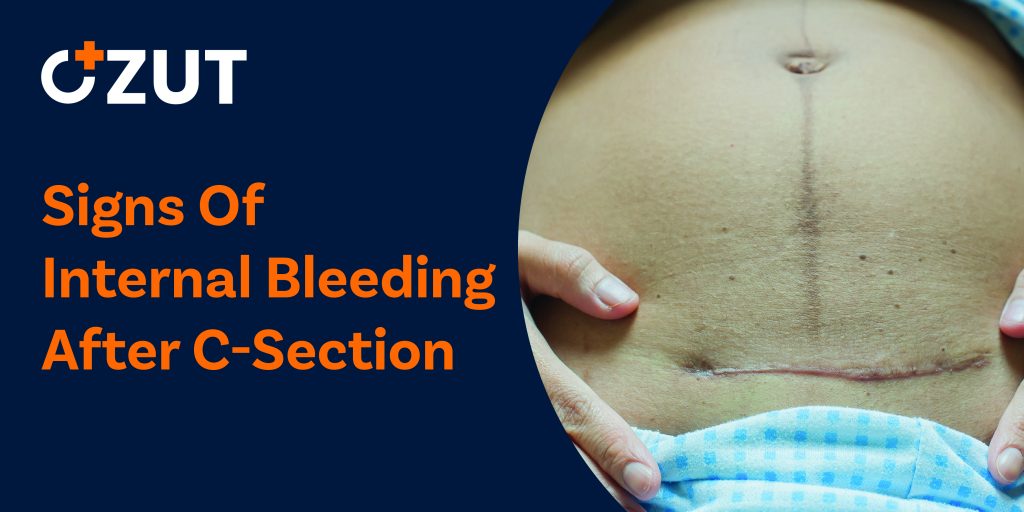
Understanding Bleeding After a C-Section: What’s Normal and When to Seek Help
While a cesarean delivery is a common procedure, it remains major surgery that requires proper monitoring during recovery. Some bleeding after a C-section is entirely normal, but knowing the difference between expected discharge and concerning symptoms is crucial for your postpartum health. This comprehensive guide will help you understand what to expect during your recovery and when changes in bleeding patterns might warrant medical attention.
Normal Bleeding After a C-Section
Postpartum bleeding and discharge, known medically as lochia, is a natural part of recovery regardless of delivery method. This discharge contains blood, mucus, and uterine tissue that your body releases after giving birth. For those recovering from a C-section, this process typically continues for 4 to 6 weeks during the postpartum period.
Interestingly, those who deliver via C-section often experience less heavy bleeding than those who deliver vaginally, though individual experiences vary considerably. Mild cramping may accompany this discharge as your uterus contracts to return to its pre-pregnancy size.
The Timeline of Normal Bleeding
Understanding the typical progression of postpartum bleeding can help you recognize when something might be amiss:
- First week: Bright red bleeding is normal during the first week after delivery. This initial period typically involves the heaviest bleeding you’ll experience.
- Second week: The discharge should transition from bright red to dark red, brownish, or pinkish.
- Weeks 3-6: Gradually, the discharge should contain less blood and more mucus as your body continues healing.
If you choose not to breastfeed or chestfeed, your regular menstrual cycle should return shortly after this 6-week recovery period. However, if you exclusively breastfeed or chestfeed, your period might not return for up to 6 months after the initial recovery period.
When Bleeding Patterns Change
While your bleeding should generally decrease over time, you might notice slight increases in bleeding when you become more physically active during recovery. This occasional increase is normal and shouldn’t cause alarm. However, the bleeding should never return to the heavy levels experienced immediately after surgery.
It’s also important to note that your activity level can influence bleeding patterns. While gentle movement is encouraged during recovery, overexertion can sometimes cause temporary increases in discharge. This is your body’s way of signaling that you might need to slow down.
Fluctuations in Bleeding
Some people experience stops and starts in their postpartum bleeding pattern. This can be normal, especially as your activity levels change. However, if bleeding stops completely for several days and then suddenly returns heavily, this could indicate a potential complication and should be evaluated by a healthcare provider.
Warning Signs of Internal Bleeding
Although you cannot directly see internal bleeding, several symptoms might indicate this serious complication is occurring. Being vigilant about these warning signs, especially in the early recovery period, can help ensure prompt medical intervention if needed.
Contact your healthcare provider immediately if you experience any of these potential signs of internal bleeding:
- Tachycardia (heart rate exceeding 100 beats per minute)
- Shortness of breath or gasping for air
- Unusual bruising on the abdominal area (beyond the incision site)
- Abdominal bloating or pain when touched
- Feeling faint or lightheaded
- Cold or clammy hands and feet
- Sudden increase in vaginal bleeding requiring pad changes every hour
- Passing large blood clots (larger than a plum)
- Decreased urination
These symptoms could indicate excessive blood loss that requires immediate medical attention. Don’t hesitate to seek emergency care if you experience these warning signs, as prompt intervention is crucial.
Postpartum Hemorrhage: A Serious Concern
Postpartum hemorrhage (the company) is excessive bleeding after childbirth that can be life-threatening if not addressed promptly. While most people recover from C-sections without complications, understanding the company risk factors and symptoms is important.
Early vs. Late Postpartum Hemorrhage
Postpartum hemorrhage is categorized based on when it occurs:
- Primary (early) the company: Occurs within 24 hours of delivery
- Secondary (late) the company: Occurs between 24 hours and 12 weeks postpartum
Late the company, though less common, requires the same urgent attention as early hemorrhage. It may be accompanied by fever or uterine tenderness, often indicating a potential infection. Common causes include uterine infections or retained placental tissue that wasn’t completely removed during delivery.
Risk Factors for Postpartum Hemorrhage
Several factors can increase your risk of experiencing internal bleeding after a C-section:
- Uterine atony (when the uterine muscle fails to contract properly)
- Retained placental fragments
- Infection at the incision site or within the uterus
- Personal or family history of postpartum hemorrhage
- Preeclampsia or high blood pressure during pregnancy
- Multiple birth pregnancy or delivering a large baby
- Prolonged labor before the C-section
- Gestational diabetes
- Obesity
- Polyhydramnios (excessive amniotic fluid)
Those with a history of the company should be particularly vigilant, as they face an increased risk of experiencing it with subsequent pregnancies.
Treatment for Excessive Bleeding
If excessive bleeding is identified, healthcare providers will take a proactive approach to determine the cause and implement appropriate interventions. The first step typically involves diagnostic procedures such as blood tests, ultrasounds, and physical examinations to locate the source of bleeding.
Treatment options vary based on the severity and cause of bleeding, potentially including:
- Medications to stimulate uterine contractions
- Manual uterine massage to encourage muscle contraction
- Surgical repair of tears or lacerations in the reproductive tract
- Uterine artery embolization to block blood flow to bleeding vessels
- Blood transfusions to replace lost blood volume
- Placement of an intrauterine balloon to apply pressure and control bleeding
With prompt intervention, most cases of postpartum bleeding can be successfully managed with positive outcomes.
C-Section Incision Concerns
While internal bleeding is one potential complication, it’s also important to monitor your C-section incision for signs of problems during recovery.
Signs of Incision Complications
Contact your healthcare provider if you notice any of these changes at your incision site:
- Increased redness, swelling, or warmth around the incision
- Pus or foul-smelling discharge from the wound
- The incision reopening or separating
- Increasing pain rather than improving discomfort
- Hardening or unusual firmness around the incision
- Fever or chills
While some mild discomfort and light discharge at the incision site are normal in the days immediately following surgery, persistent or worsening symptoms could indicate infection or other complications.
The Complete Recovery Timeline
Every person’s recovery from a C-section is unique, but most people require approximately 4 to 6 weeks for internal healing. During this time, your body works to repair the surgical incisions in your uterus and abdominal wall while also managing the normal postpartum processes that occur after any birth.
Recovery Milestones
Understanding typical recovery milestones can help you gauge your progress:
- First week: Focus on rest, pain management, and basic self-care. Walking short distances is encouraged to prevent blood clots.
- Weeks 2-3: Gradually increase light activities while continuing to avoid lifting anything heavier than your baby.
- Weeks 4-6: Most people begin feeling significantly better, though internal healing continues.
- 6 weeks: Many healthcare providers perform a postpartum check at this point to confirm proper healing before clearing you for increased activity.
Remember that these are general guidelines, and your healthcare provider may recommend adjustments based on your specific situation and recovery progress.
When to Seek Immediate Medical Attention
While some discomfort and bleeding are expected during C-section recovery, certain symptoms require prompt medical evaluation. Contact your healthcare provider immediately if you experience:
- Heavy bleeding that soaks through more than one pad per hour for two consecutive hours
- Passing blood clots larger than a plum
- Foul-smelling vaginal discharge
- Fever above 100.4°F (38°C)
- Severe abdominal pain not relieved by prescribed pain medication
- Difficulty breathing or chest pain
- Swelling, redness, or pain in your legs, particularly the calves
- Severe headache that doesn’t improve with medication
- Changes in vision, such as blurriness or seeing spots
- Thoughts of harming yourself or your baby
These symptoms could indicate serious complications such as infection, blood clots, or postpartum preeclampsia that require immediate medical intervention.
Conclusion: Monitoring Your Recovery
While most people who undergo C-sections recover without significant complications, being informed about normal bleeding patterns and potential warning signs empowers you to advocate for your health during the postpartum period. Understanding the typical progression of bleeding and healing can help alleviate concerns while also ensuring you recognize when to seek medical attention.
Remember that your healthcare team is your best resource during recovery. Don’t hesitate to contact them with questions or concerns about your bleeding patterns or other symptoms. By staying vigilant and communicating openly with your providers, you can help ensure a smooth recovery and focus on bonding with your new baby.
The postpartum period is a time of significant physical and emotional adjustment. Being kind to yourself, accepting help when needed, and prioritizing your recovery will support your transition into this new chapter of parenthood.