
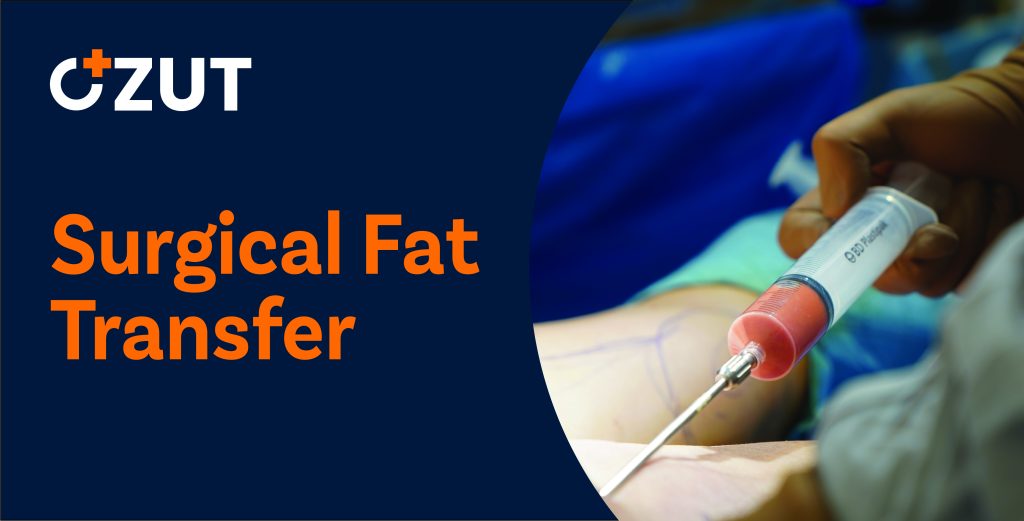
Comprehensive Guide to Surgical Fat Transfer Procedures: What You Need to Know
Surgical fat transfer represents a sophisticated cosmetic procedure designed to relocate adipose tissue from one body region to another. This technique, alternatively referred to as fat grafting or lipomodelling, has gained considerable attention in aesthetic medicine for its dual benefit of removing unwanted fat while enhancing other areas. The procedure involves harvesting fat from donor sites such as the abdomen or thighs and strategically injecting it into recipient areas like the breasts or buttocks to achieve desired contours and volume enhancement.
Understanding the comprehensive nature of this surgical intervention is essential for anyone considering this option. The decision to undergo such a procedure requires careful consideration of multiple factors including financial investment, realistic outcome expectations, potential complications, and alternative approaches to body contouring. This guide provides detailed information about every aspect of surgical fat transfer to help individuals make informed decisions about their aesthetic goals.
Financial Considerations and Cost Structure
The financial investment required for surgical fat transfer varies significantly based on several determining factors. Treatment costs typically range between three thousand and eight thousand pounds, with the final price depending on the specific procedure type and the extent of the treatment area. Larger treatment zones naturally require more extensive work and consequently command higher fees.
Beyond the base procedure cost, patients must account for additional expenses that accumulate throughout the treatment journey. Initial consultation fees, comprehensive aftercare services, and potential follow-up treatment sessions all contribute to the total financial commitment. Some individuals may require multiple sessions to achieve their desired results, particularly when addressing larger areas or seeking substantial volume enhancement. Budgeting for these supplementary costs ensures patients avoid unexpected financial strain during their treatment journey.
Selecting Qualified Facilities and Practitioners
Choosing an appropriate treatment facility and qualified surgeon represents one of the most critical decisions in the cosmetic surgery process. All independent clinics and hospitals offering cosmetic procedures must maintain proper registration with relevant regulatory bodies. These organizations conduct regular inspections and publish performance ratings that provide valuable insight into facility standards and patient outcomes.
Thorough research into the surgeon’s credentials and experience is equally important. All medical practitioners must maintain active registration with professional medical councils, and patients should verify their fitness to practice history. Key considerations when evaluating a surgeon include their specific training in fat grafting techniques, specialist registration status in plastic surgery, complication rates across their surgical history, protocols for managing adverse outcomes, and documented patient satisfaction metrics.
International Treatment Considerations
While some individuals consider pursuing cosmetic procedures abroad due to cost differences, this approach introduces additional risk factors. Safety standards, regulatory oversight, and practitioner qualifications may vary significantly between countries. The lack of consistent quality assurance mechanisms and potential complications with follow-up care make international procedures a higher-risk proposition that requires exceptionally careful evaluation.
Understanding the Surgical Process
The surgical fat transfer procedure follows a systematic three-stage approach, with each phase critical to achieving optimal results. The entire process can be performed under either general or local anaesthetic, depending on the treatment scope and patient preference.
Stage One: Fat Harvesting
The initial phase involves creating small incisions in the donor site where excess fat accumulates. A thin cannula tube is inserted through these incisions to carefully extract small quantities of adipose tissue, similar to traditional liposuction techniques. This controlled extraction ensures sufficient fat collection while minimizing trauma to surrounding tissues. Once adequate fat has been harvested, the incisions are closed with sutures to promote proper healing.
Stage Two: Fat Processing
Harvested fat undergoes specialized processing to ensure optimal viability for transfer. Advanced equipment separates pure fat cells from blood, fluids, and other materials collected during extraction. This purification process is essential for maximizing the survival rate of transplanted fat cells and achieving lasting results. The processing stage requires precision and expertise to maintain cell integrity while removing unwanted components.
Stage Three: Fat Injection
The final stage involves strategically injecting processed fat into the recipient area. Small quantities are carefully placed in multiple locations to ensure even distribution and optimal integration with existing tissues. This meticulous approach promotes better blood supply development to transplanted fat, improving long-term survival rates. Unlike the donor site, injection points typically do not require sutures as the entry points are minimal.
Procedure Duration and Hospital Stay
Most surgical fat transfer procedures require approximately two hours to complete, though this timeframe varies based on treatment extent. Many patients can return home shortly after the procedure concludes, while others may require overnight hospital observation, particularly when larger volumes are transferred or multiple areas are treated. Extensive treatments may necessitate scheduling across two or more separate sessions to achieve desired results safely.
Pain Management and Comfort
While the procedure itself should not produce significant discomfort due to anaesthesia, patients typically experience some pain during the recovery period. This post-operative discomfort generally persists for several days to weeks, with intensity gradually diminishing as healing progresses. Appropriate pain medication is prescribed to manage discomfort effectively, ensuring patient comfort throughout the recovery phase.
Recovery Timeline and Expectations
The recovery process following surgical fat transfer requires patience and proper planning. Immediate post-procedure arrangements must include transportation assistance, as patients cannot safely drive themselves home. Driving privileges can resume once patients can operate a vehicle without experiencing discomfort or movement restrictions.
Initial Recovery Phase
Significant bruising and swelling in treated areas represent normal responses to the procedure, typically persisting for several weeks. The visual impact of these temporary effects leads many patients to take approximately two weeks off work, allowing adequate time for the most pronounced swelling and discoloration to subside before returning to professional environments.
Long-Term Results Development
Complete results from surgical fat transfer emerge gradually over an extended period. The full effect typically becomes apparent after six months, as the body undergoes natural processes of fat cell integration and reabsorption. During the initial months following the procedure, some percentage of injected fat may be naturally reabsorbed by the body, which is a normal part of the healing process. This reabsorption factor is considered during treatment planning to ensure adequate volume is transferred initially.
Common Side Effects
Several predictable side effects accompany surgical fat transfer procedures. Understanding these expected outcomes helps patients prepare mentally and physically for the recovery experience.
Significant bruising and swelling represent the most common immediate effects, resulting from tissue manipulation and fluid accumulation. Temporary numbness in treated areas occurs as nerves recover from surgical trauma, typically resolving as healing progresses. Small scars develop at incision sites, and while these marks fade considerably over time, they remain permanently visible to some degree. Additionally, patients should anticipate losing some volume from injected areas during the first several months as the body reabsorbs a portion of transferred fat cells.
Potential Complications and Risks
While surgical fat transfer is generally considered safe when performed by qualified practitioners, several complications can occasionally occur. Understanding these risks enables informed decision-making and appropriate risk assessment.
Procedure-Specific Complications
Blood collection beneath the skin, known as haematoma, can develop following the procedure, requiring drainage in some cases. Fat necrosis, the death of transplanted fat tissue, may occur when cells fail to establish adequate blood supply, potentially creating firm lumps or irregularities. Fat embolism, though rare, represents a serious complication where fat particles enter the bloodstream and block blood vessels. Pneumothorax, air leaking into the space between lungs and chest wall, can occur during procedures involving the torso region. Thick, raised scars called hypertrophic scars may develop at incision sites in some individuals.
General Surgical Risks
All surgical procedures carry inherent risks regardless of their specific nature. Excessive bleeding during or after surgery, blood clot formation in veins, infection at surgical sites, and allergic reactions to anaesthetic agents represent universal surgical risks that apply to fat transfer procedures. Surgeons should provide detailed explanations of complication likelihood and treatment protocols for each potential adverse outcome.
Revision Surgery Requirements
Some patients require additional procedures to achieve desired results or address complications. In certain procedures, particularly those involving buttock augmentation, approximately fifty percent of injected fat may not survive the transfer process. This substantial reabsorption rate sometimes necessitates follow-up procedures to achieve adequate volume. Additionally, desired outcomes may exceed what can be safely accomplished in a single session, requiring staged treatments.
Special Safety Considerations for Buttock Augmentation
Buttock augmentation through fat transfer carries unique risks that warrant special attention. This particular application has been associated with the highest mortality rate among cosmetic procedures, with several deaths reported following complications. The primary concern involves fat particles entering the bloodstream and causing pulmonary embolism, a potentially fatal blockage in lung blood vessels.
Additional Buttock Procedure Risks
Beyond standard fat transfer complications, buttock augmentation presents additional concerns. Serious skin infections can develop in the treatment area, and lumpy scarring may create contour irregularities that affect aesthetic outcomes. Medical evidence strongly indicates that fat should only be injected into subcutaneous tissue layers beneath the skin, never directly into gluteal muscle tissue, as intramuscular injection significantly increases embolism risk.
Modified Safety Protocols
Professional aesthetic surgery associations have issued guidance recommending modified approaches to buttock fat grafting. Some organizations advise their members against performing traditional procedures, instead advocating for alternative techniques that incorporate ultrasound guidance during injection. This imaging technology allows real-time visualization of injection depth, ensuring fat placement remains in safe tissue planes and avoiding dangerous intramuscular injection.
Addressing Post-Surgical Concerns
Cosmetic surgery outcomes sometimes fail to meet patient expectations or result in complications requiring intervention. Knowing how to address these situations protects patient interests and facilitates appropriate resolution.
Managing Recovery Complications
Patients who notice concerning symptoms during recovery should promptly contact their surgeon. Warning signs including increasing swelling, progressive redness, or intensifying pain may indicate infection or other complications requiring medical attention. The treating surgeon and their facility represent the first point of contact for addressing recovery concerns, as they possess complete knowledge of the procedure performed and can provide appropriate intervention.
Addressing Unsatisfactory Results
When surgical outcomes fail to meet expectations or patients believe procedures were improperly performed, formal complaint processes exist through the treating facility. Patients should document their concerns clearly and pursue resolution through established channels. If facility-level resolution proves inadequate, regulatory bodies accept complaints regarding care quality and can investigate concerns. Professional medical councils also maintain processes for raising concerns about individual practitioners when questions arise regarding their conduct or competence.
Making an Informed Decision
Surgical fat transfer represents a significant commitment requiring comprehensive evaluation of multiple factors. Before proceeding, individuals should explore alternative approaches to body contouring, including structured weight loss programs and non-surgical aesthetic treatments. Understanding that results cannot be guaranteed, costs are substantial, and risks exist helps establish realistic expectations.
Thorough research into facility credentials, surgeon qualifications, and procedure-specific risks forms the foundation of informed decision-making. Patients should feel comfortable asking detailed questions about training, experience, complication rates, and outcome expectations. Taking time to carefully consider all aspects of the procedure, including financial implications, recovery requirements, and potential complications, ensures individuals make choices aligned with their personal circumstances and aesthetic goals.
The decision to undergo cosmetic surgery should never be rushed or made under pressure. Consulting with multiple qualified practitioners, reviewing before-and-after photographs of previous patients, and honestly assessing personal motivations and expectations all contribute to making the right choice. For those who proceed with surgical fat transfer after careful consideration, understanding the complete process from initial consultation through long-term results helps ensure the best possible experience and outcome.