
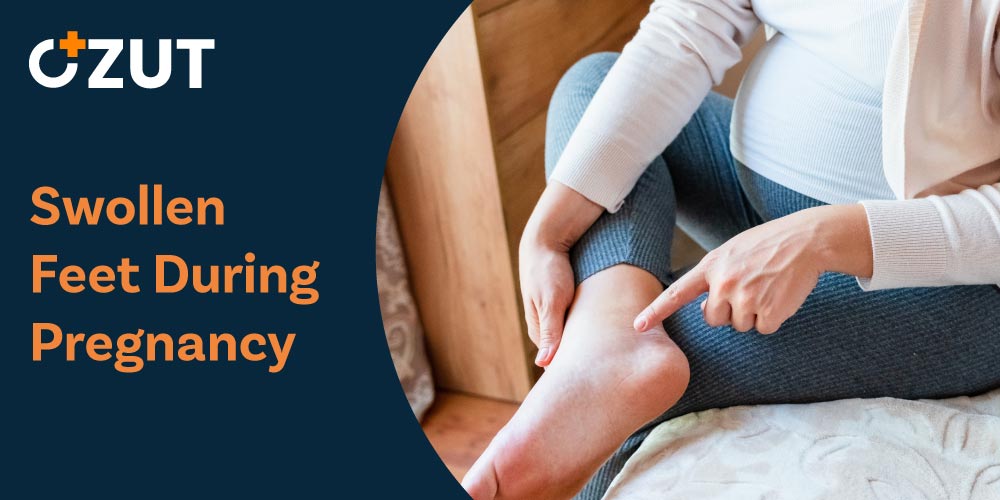
Managing Swollen Feet During Pregnancy: Effective Remedies and When to Seek Help
Pregnancy brings many miraculous changes to your body, but some side effects are less magical than others. Among these common discomforts is swollen feet, which many expectant parents experience, particularly in the later stages of pregnancy. While this swelling is typically normal, understanding how to manage it can make your pregnancy journey more comfortable.
Why Do Feet Swell During Pregnancy?
Swollen feet during pregnancy result from several physiological changes happening in your body. Your blood volume increases significantly—up to 50% more than your pre-pregnancy levels—to support your growing baby. Additionally, pregnancy hormones cause your body to retain more fluid, and the weight of your growing uterus can slow blood circulation from your legs back to your heart.
These factors combine to create that puffy appearance in your feet and ankles, especially toward the end of the day or in hot weather. While uncomfortable, this swelling is usually just another sign of your body working hard to nurture your baby.
When to Expect Swollen Feet During Pregnancy
First Trimester
During the first three months of pregnancy, you might notice some mild puffiness in your hands, feet, or face, but significant swelling is uncommon. The hormone progesterone increases during this time, slowing digestion and potentially causing abdominal bloating, but foot swelling is typically minimal.
If you experience considerable swelling this early, especially accompanied by symptoms like dizziness, headaches, or bleeding, contact your healthcare provider promptly.
Second Trimester
Starting around month 4 of pregnancy, you may begin noticing swollen feet, particularly if you spend considerable time standing or during hot weather. By month 5, this swelling becomes more common as your blood volume continues to increase and your body retains more fluids to support pregnancy.
This extra fluid serves an important purpose—it helps soften your body and prepare it for childbirth. Remember that this swelling will decrease rapidly after delivery.
Third Trimester
The final trimester, beginning at week 28, is when foot swelling becomes most noticeable and common. As you approach your due date, the swelling often intensifies as your uterus grows heavier and puts more pressure on the blood vessels returning blood from your legs to your heart.
Additional factors that can worsen swelling include hot weather, dietary imbalances, caffeine consumption, inadequate water intake, and extended periods on your feet.
13 Effective Remedies for Swollen Feet During Pregnancy
Fortunately, several simple strategies can help reduce foot swelling during pregnancy. Many of these remedies are not only effective but can be quite enjoyable too.
1. Reduce Sodium Intake
Salt makes your body retain water, so limiting sodium can help reduce swelling. Try to avoid processed and canned foods, which typically contain high amounts of sodium. Instead, flavor your meals with herbs like rosemary, thyme, and oregano to add taste without the extra salt.
2. Increase Potassium Consumption
Potassium helps balance fluid levels in your body. While your prenatal vitamin provides some potassium, incorporating potassium-rich foods into your diet can further help manage swelling. Good sources include:
- Potatoes and sweet potatoes with skin
- Bananas
- Spinach
- Beans and lentils
- Yogurt
- Salmon
- Beets
- Fruit juices like prune, pomegranate, orange, carrot, and passion fruit
3. Limit Caffeine
While moderate caffeine consumption (less than 200 milligrams daily, roughly one 12-ounce cup of coffee) is generally considered safe during pregnancy, excessive caffeine can worsen swelling. Caffeine acts as a diuretic, increasing urination, which can paradoxically cause your body to retain more fluid.
Consider replacing caffeinated beverages with decaf coffee, milk, or herbal teas like peppermint. Remember that caffeine is found not only in coffee but also in chocolate, soda, and some teas.
4. Drink More Water
It may seem counterintuitive, but increasing your water intake can actually reduce swelling. When your body senses dehydration, it holds onto fluid as a protective mechanism. Aim for at least 10 glasses of water daily to help your kidneys function optimally and maintain proper hydration.
To make drinking more water easier, try using an appealing water bottle, taking frequent small sips throughout the day, or flavoring your water with lemon, mint, or berries.
5. Elevate Your Feet and Rest
Taking time to sit with your feet elevated, especially at the end of the day, can help drain fluid that has accumulated in your legs. While constant sitting isn’t ideal for circulation, neither is standing all day. Finding a balance and making time to put your feet up can significantly reduce swelling.
6. Wear Loose, Comfortable Clothing
Tight clothing, particularly around your wrists, waist, and ankles, can restrict blood flow and worsen swelling. Opt for loose, comfortable attire that doesn’t constrict circulation. Maternity maxi dresses in summer or flowy cardigans with joggers in winter can be both stylish and comfortable options.
7. Stay Cool
Heat can exacerbate swelling, especially during summer pregnancies. Try to stay indoors during the hottest parts of the day and avoid strenuous exercise in warm weather. Using cooling clothing, cold compresses on your feet, or keeping a fan nearby can help maintain a comfortable temperature.
8. Try Compression Stockings
Waist-high compression stockings can be beneficial if you experience persistent swelling or need to be on your feet frequently. These stockings apply gentle pressure to your legs and feet, promoting better circulation. Avoid knee-high versions, as they can create a constriction point that may worsen swelling.
9. Walk Regularly
Short, frequent walks—even just 5-10 minutes a couple of times daily—can improve circulation and reduce swelling. Walking is also an excellent form of pregnancy-safe exercise and provides a mental break during your day.
10. Wear Comfortable Shoes
Late pregnancy is a good time to set aside high heels in favor of well-fitting, supportive footwear. Comfortable shoes can reduce foot swelling and prevent hip and back problems that might develop as your center of gravity shifts during pregnancy.
Be aware that your feet might permanently change size during pregnancy due to hormonal relaxation of ligaments. Many women find their feet remain a half-size larger after pregnancy, making this an excellent opportunity to invest in new comfortable footwear.
11. Swim or Immerse in Water
While scientific studies specifically on water pressure and pregnancy swelling are limited, many pregnant individuals report relief when spending time in a pool. The water pressure may help reduce swelling, and at minimum, swimming or standing in water up to your neck provides a feeling of weightlessness, coolness, and gentle exercise.
12. Get a Massage
Massage can help circulate fluid that tends to pool in your feet and legs. A gentle foot and leg massage from your partner can be both relaxing and effective at reducing swelling. Adding a few drops of peppermint or lavender essential oil (properly diluted) can enhance the experience.
If you prefer professional help, consider seeking out specialized prenatal massage services, which can address swelling while providing stress relief.
13. Sleep on Your Left Side
When possible, sleeping on your left side can improve blood flow and potentially reduce swelling. This position takes pressure off the inferior vena cava (the large blood vessel returning blood to your heart), allowing for better circulation throughout your body.
When Swollen Feet Might Signal a Problem
While swollen feet are typically a normal part of pregnancy, certain situations warrant medical attention. Be alert to these warning signs that could indicate a more serious condition.
Signs of Preeclampsia
Preeclampsia is a serious pregnancy complication characterized by dangerously high blood pressure (typically 140/90 mm Hg or higher). Contact your healthcare provider immediately if you experience:
- Sudden swelling of your hands, feet, face, or around your eyes
- Swelling that worsens dramatically
- Dizziness or blurred vision
- Severe headache
- Abdominal pain, especially in the upper right section
- Confusion
- Difficulty breathing
Signs of Deep Vein Thrombosis
Pregnant individuals have a higher risk of blood clots. Seek immediate medical attention if you notice:
- Swelling in just one leg
- Pain, heat, or redness in the affected leg
- Skin discoloration in the swollen area
Pregnancy hormones increase your risk of developing blood clots, making it essential to report these symptoms promptly.
Finding Relief and Moving Forward
Swollen feet represent one of the many temporary challenges of pregnancy. By implementing these management strategies and knowing when to seek medical help, you can navigate this common pregnancy symptom more comfortably.
Remember that this swelling is usually temporary. After delivery, your body will begin shedding the extra fluid, and within a few weeks, you’ll likely notice a significant reduction in swelling. Before long, your shoes will fit again, and your focus will shift from your swollen feet to those tiny, perfect baby toes.
Throughout your pregnancy journey, maintain open communication with your healthcare provider about any concerns. They can offer personalized advice and reassurance about what’s normal and what might require additional attention. With proper care and attention, you can minimize discomfort and focus on preparing for your little one’s arrival.