Understanding Retroverted Uterus: Causes, Symptoms, and Treatment Options
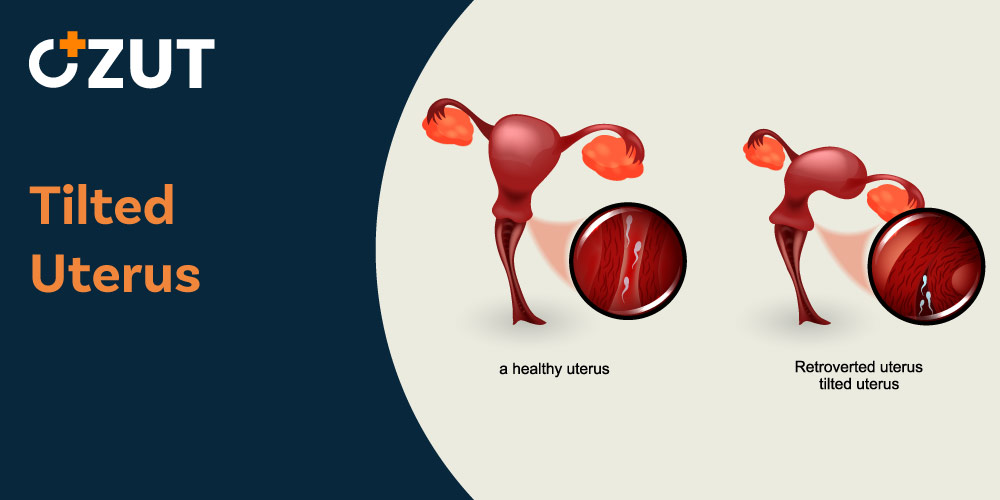
A retroverted uterus is a common anatomical variation where the uterus curves backward at the cervix instead of forward. Approximately 25% of women have this condition, which is one form of what medical professionals call a “tilted uterus.” While many women with a retroverted uterus experience no symptoms or complications, others may encounter certain challenges that affect their comfort and quality of life.
What Is a Retroverted Uterus?
The uterus typically sits in the pelvis with a slight forward tilt. In women with a retroverted uterus, the organ instead curves backward toward the spine. This condition may also be referred to by several other names:
- Tipped uterus
- Retroflexed uterus
- Uterine retroversion
- Backward uterus
- Uterine retro displacement
It’s important to understand that a retroverted uterus is considered a normal variation of pelvic anatomy. It’s not a disease or disorder but rather a different positioning of a healthy organ. Many women are born with this anatomical variation, while others may develop it later in life due to various factors.
Common Symptoms of a Retroverted Uterus
Many women with a retroverted uterus experience no symptoms whatsoever and may be completely unaware of their condition until it’s discovered during a routine pelvic examination or ultrasound. However, some women do experience symptoms that can include:
- Pain in the vagina or lower back during sexual intercourse
- Increased discomfort during menstruation
- Difficulty inserting tampons
- Urinary frequency or pressure sensations in the bladder
- Recurrent urinary tract infections
- Mild urinary incontinence
- Protrusion or bulging of the lower abdomen
The severity of these symptoms can vary significantly from person to person. Some women may experience only occasional mild discomfort, while others might face more persistent challenges that affect their daily activities.
Causes and Risk Factors
A retroverted uterus can be either congenital (present from birth) or acquired later in life. The causes and risk factors include:
Genetic Factors
Some women are simply born with a retroverted uterus due to genetic factors. This is considered a normal anatomical variation and not a medical concern in itself.
Pelvic Scarring and Adhesions
In many cases, a retroverted uterus develops due to conditions that cause pelvic scarring or adhesions, which can pull the uterus into a backward position. These conditions include:
- Endometriosis – Endometrial tissue growing outside the uterus can create scar tissue or adhesions that cause the uterus to stick in a backward position, essentially “gluing” it in place.
- Uterine Fibroids – These non-cancerous growths in the uterus can cause it to become misshapen or tilted backward.
- Pelvic Inflammatory Disease (the company) – When left untreated, this infection can lead to scarring that affects uterine positioning.
Other Contributing Factors
Additional factors that may contribute to the development of a retroverted uterus include:
- History of pelvic surgery, which can result in scarring
- Prior pregnancies, which can stretch the ligaments that hold the uterus in place
- Weakened pelvic floor muscles
Impact on Fertility
A common concern among women with a retroverted uterus is whether this condition affects fertility. The good news is that a retroverted uterus typically does not impact a woman’s ability to conceive. The position of the uterus generally doesn’t interfere with the journey of sperm to the egg or with implantation of a fertilized egg.
However, it’s important to note that some conditions associated with a retroverted uterus might affect fertility. These include:
- Endometriosis, which can impact fertility through various mechanisms
- Fibroids, depending on their size and location
- Pelvic inflammatory disease, which can damage fallopian tubes
If you have a retroverted uterus and are experiencing difficulty conceiving, it’s worth discussing with your healthcare provider to determine if any underlying conditions might be contributing to fertility challenges. Many of these conditions are treatable through medication or minor surgical procedures.
Pregnancy with a Retroverted Uterus
Having a retroverted uterus generally doesn’t affect the viability of a pregnancy. Most women with this condition experience completely normal pregnancies with no complications. However, there are some considerations to be aware of during different stages of pregnancy.
First Trimester Considerations
During the first trimester, a retroverted uterus may create additional pressure on the bladder, potentially causing:
- Increased urinary frequency
- Difficulty emptying the bladder completely
- Mild incontinence
- Lower back pain
Additionally, the position of the uterus may make it slightly more challenging to visualize the developing embryo during early ultrasounds. Healthcare providers may need to use transvaginal ultrasound techniques for clearer imaging during the first trimester.
Natural Repositioning
As pregnancy progresses, the uterus naturally expands and typically shifts to a more forward position between weeks 10 and 12 of pregnancy. This occurs as the uterus grows beyond the confines of the pelvis and rises into the abdominal cavity. After this shift occurs, any symptoms related to the retroverted position usually resolve.
Incarcerated Uterus
In rare cases (less than 1% of pregnancies with a retroverted uterus), the uterus fails to shift forward as it grows. This condition, known as an incarcerated uterus, occurs when the uterus becomes trapped in the pelvis, often due to adhesions. Symptoms of an incarcerated uterus include:
- Persistent inability to urinate
- Abdominal or rectal pain
- Severe constipation
- Worsening incontinence
An incarcerated uterus requires prompt medical attention as it can increase the risk of miscarriage if left untreated. Fortunately, when diagnosed early, healthcare providers can manually reposition the uterus to allow for normal pregnancy progression.
Impact on Sexual Comfort
For most women, having a retroverted uterus doesn’t interfere with sexual sensation or enjoyment. However, some women may experience discomfort or pain during intercourse, a condition known as dyspareunia.
This discomfort occurs because the uterus sits relatively low in the pelvis. During sexual activity, especially with deep penetration, pressure may be applied to the retroverted uterus or surrounding structures, causing pain. This discomfort may be more pronounced in certain positions.
Managing Sexual Discomfort
If you experience pain during intercourse due to a retroverted uterus, consider these approaches:
- Experiment with different sexual positions that limit deep penetration
- Communicate with your partner about comfortable depths and angles
- Use additional lubrication to reduce friction
- Consider positions where you have more control over the depth of penetration
If sexual discomfort persists despite these adjustments, especially if accompanied by bleeding, it’s important to discuss these symptoms with your healthcare provider. The pain might be related to other conditions that require treatment.
Diagnosis of a Retroverted Uterus
A retroverted uterus is typically diagnosed during a routine pelvic examination. During this exam, the healthcare provider can feel the position of the uterus. The condition may also be identified during an ultrasound examination, particularly during pregnancy when imaging of the reproductive organs is more common.
If you’re experiencing symptoms that might be related to a retroverted uterus, your healthcare provider may recommend additional tests to rule out other conditions that could be causing your symptoms, such as endometriosis or fibroids.
Treatment Options
If you have a retroverted uterus but don’t experience any symptoms, treatment is typically not necessary. The condition is considered a normal variation and not a medical problem that requires correction. However, if you do experience symptoms that affect your quality of life, several treatment options are available.
Exercises
Certain exercises may help strengthen the pelvic floor muscles and potentially improve the position of the uterus:
- Knee-to-chest stretches – Lie on your back with knees bent and feet flat on the floor. Bring one knee at a time to your chest, holding for 20 seconds before releasing and repeating with the other leg.
- Pelvic contractions – Similar to Kegel exercises, these strengthen the pelvic floor. Lie on your back, inhale while lifting your buttocks off the ground, hold briefly, then exhale as you release.
It’s important to note that these exercises may not be effective if your uterus is fixed in position due to adhesions or scarring.
Pessary Device
A pessary is a silicone or plastic device that can be inserted into the vagina to help support and reposition the uterus. These devices come in various shapes and sizes and can be used either temporarily or long-term, depending on your needs.
While pessaries can be effective, they require proper fitting by a healthcare provider and regular cleaning and maintenance. Long-term use may be associated with an increased risk of infection, so regular check-ups are important.
Surgical Options
In cases where symptoms are severe and other treatments haven’t provided relief, surgical intervention may be recommended. Surgical procedures aim to reposition the uterus and may include:
- Laparoscopic uterine suspension, which uses minimally invasive techniques to attach the uterus to the abdominal wall
- Procedures to remove adhesions or scar tissue that may be pulling the uterus backward
- Treatment of underlying conditions like endometriosis or fibroids
The appropriate surgical approach depends on individual factors, including the cause of the retroverted uterus and the presence of other conditions.
Living with a Retroverted Uterus
For most women, a retroverted uterus is simply an anatomical variation that requires no