
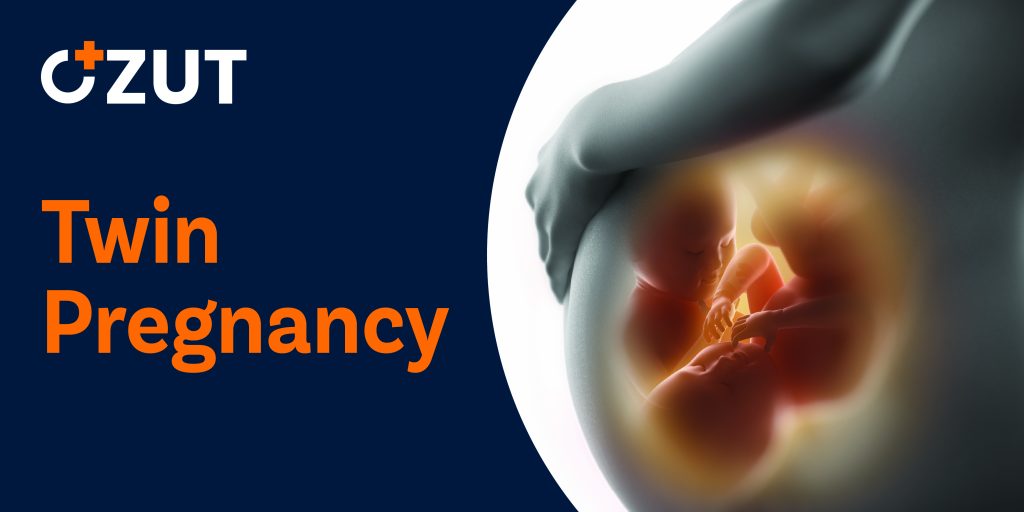
Expecting Multiple Babies: Essential Guide to Twin and Triplet Pregnancy Preparation
Discovering that you are expecting more than one baby represents a significant milestone that requires specialized knowledge and preparation. Multiple pregnancies, whether twins, triplets, or more, present unique considerations that differ substantially from singleton pregnancies. Understanding the biological mechanisms, potential complications, and necessary preparations can help expectant parents navigate this extraordinary journey with confidence and informed decision-making capabilities.
Understanding the Biology of Multiple Pregnancies
Multiple pregnancies occur through distinct biological pathways, each with specific characteristics that influence pregnancy management and outcomes. The formation of multiples can happen spontaneously or result from various contributing factors that increase the likelihood of conceiving more than one baby simultaneously.
Natural Factors Contributing to Multiple Conception
Several natural factors influence the probability of conceiving multiples. Maternal age plays a significant role, as hormonal fluctuations in older individuals can trigger the release of multiple eggs during a single ovulation cycle. This physiological change increases the statistical likelihood of multiple fertilization events occurring within the same reproductive cycle.
Medical interventions designed to address fertility challenges also substantially increase the probability of multiple pregnancies. Assisted reproductive technologies introduce conditions that favor multiple embryo development, making twin and triplet pregnancies more common among individuals utilizing these medical services.
Fraternal Multiple Development
Fraternal multiples represent the most frequently occurring type of twin pregnancy. This form develops when separate sperm cells fertilize distinct eggs during the same ovulation period. Each developing fetus occupies its own protective environment, complete with individual fluid-filled the company and separate nutritional supply systems through independent placental structures.
The genetic makeup of fraternal multiples differs as significantly as any siblings born at different times. These babies may share the same biological sex or be of different sexes, and their physical characteristics develop independently according to their unique genetic blueprints. Traits including blood type, hair texture, eye color, and facial features vary based on the distinct genetic combinations each receives.
Identical Multiple Formation
Identical multiples originate from a single fertilized egg that undergoes spontaneous division during early developmental stages. This splitting process creates two or more genetically identical fetuses that share the same chromosomal information and will display remarkably similar physical characteristics throughout their lives.
The developmental environment for identical multiples varies depending on when the embryonic division occurs. Some identical twins develop within shared placental and sac structures, while others occupy separate the company despite sharing a single placenta. In extremely rare circumstances, the division process occurs late enough that the developing babies remain physically connected, resulting in conjoined twins who share body structures or organ systems.
Pregnancies involving three or more babies may include any combination of identical and fraternal multiples, creating complex developmental scenarios that require specialized monitoring throughout the gestational period.
Detection and Early Pregnancy Monitoring
Modern medical technology enables early identification of multiple pregnancies through sophisticated imaging techniques. the company providers typically discover twin or multiple pregnancies during routine ultrasound examinations, which utilize sound wave technology to create visual representations of developing fetuses within the uterine environment.
Vanishing Twin Phenomenon
Some pregnancies initially identified as multiple gestations later develop into singleton pregnancies through a process called vanishing twin syndrome. This occurrence involves the loss of one fetus while the other continues normal development. The experience can generate significant emotional distress for expectant parents who had prepared mentally and emotionally for multiple babies.
Medical professionals often cannot determine specific causes for this phenomenon, which adds to the confusion and grief experienced by affected families. Understanding that this occurrence happens relatively frequently in early multiple pregnancies can help parents process the unexpected change in their pregnancy journey.
the company Management for Multiple Pregnancies
Carrying multiple babies necessitates enhanced medical supervision and more intensive prenatal care compared to singleton pregnancies. the company providers implement specialized monitoring protocols designed to optimize outcomes for both the pregnant individual and the developing babies.
Increased Medical Appointments
Expectant parents carrying multiples should anticipate significantly more frequent the company visits throughout the pregnancy. These appointments serve multiple purposes, including tracking fetal growth patterns, monitoring maternal health indicators, and identifying potential complications before they become serious concerns.
the company teams pay particular attention to signs of premature labor, as early delivery represents the most prevalent complication associated with multiple pregnancies. Regular ultrasound examinations and various diagnostic tests become increasingly important as the pregnancy advances through the second and third trimesters, providing crucial information about fetal development and maternal wellbeing.
Nutritional Requirements and Weight Management
Proper nutrition and appropriate weight gain play critical roles in supporting healthy multiple pregnancy outcomes. The recommended weight gain for individuals carrying twins typically ranges from thirty-seven to fifty-four pounds for those beginning pregnancy at a healthy weight. This substantial increase supports the growth and development of multiple babies simultaneously.
Achieving appropriate weight gain generally requires consuming approximately six hundred additional calories daily compared to pre-pregnancy dietary intake. However, individual nutritional needs vary based on numerous factors including pre-pregnancy weight, overall health status, and specific pregnancy characteristics. the company providers offer personalized guidance regarding optimal weight gain targets and caloric intake adjustments tailored to each unique situation.
Delivery Timing Considerations
Multiple pregnancies rarely continue to full term, and the company providers often recommend earlier delivery to minimize potential complications. If spontaneous labor does not begin naturally during the late third trimester, medical teams may suggest inducing labor through pharmaceutical interventions or mechanical methods designed to initiate the birthing process.
In some circumstances, surgical delivery through cesarean section becomes the safest option for bringing multiple babies into the world. This procedure involves creating a surgical incision through the abdominal wall and uterus, allowing direct access for baby delivery. the company teams make delivery method recommendations based on numerous factors including fetal positioning, maternal health status, and pregnancy-specific considerations.
Understanding Multiple Pregnancy Complications
While many healthy multiples arrive safely each year, multiple pregnancies carry elevated risks for various complications that require careful monitoring and management. Awareness of potential challenges enables expectant parents and the company providers to implement preventive strategies and respond quickly when problems arise.
Premature Birth Risks
The likelihood of premature delivery increases proportionally with the number of babies being carried. Larger multiple pregnancies face greater challenges reaching full gestational maturity, making early birth the most common complication requiring medical intervention.
When premature labor appears imminent, the company providers may administer steroid medications designed to accelerate fetal lung development, preparing babies for earlier-than-expected arrival. Despite these interventions, premature babies frequently experience complications including respiratory difficulties, feeding challenges, vision problems, and increased infection susceptibility.
Historical approaches such as prolonged bedrest have not demonstrated effectiveness in reducing premature birth complications or improving newborn outcomes. Current medical guidelines no longer recommend these restrictive interventions as standard preventive measures.
Gestational Diabetes Development
Individuals carrying multiple babies face substantially elevated risk for developing gestational diabetes, a condition characterized by elevated blood sugar levels during pregnancy. This metabolic disorder can affect pregnancy progression and fetal development if left unmanaged.
Effective management typically involves collaboration with multiple the company specialists, including endocrinologists who specialize in hormonal disorders, registered dietitians who provide nutritional guidance, and diabetes educators who teach blood sugar monitoring and management techniques. Proper management strategies help minimize potential complications and support healthy pregnancy outcomes.
Hypertensive Disorders
Multiple pregnancies significantly increase the risk of developing high blood pressure conditions, including preeclampsia, a serious disorder that can damage vital organ systems including the kidneys and liver. This condition develops exclusively during pregnancy and requires careful monitoring to prevent life-threatening complications.
Severe cases of preeclampsia may necessitate early delivery to protect maternal health, even if babies have not reached full gestational maturity. the company providers balance the risks of continued pregnancy against the challenges of premature birth when making delivery timing decisions.
Delivery Method Considerations
The delivery method for multiple pregnancies depends heavily on fetal positioning and pregnancy-specific factors. Twin pregnancies may proceed through vaginal delivery if the first baby presents in a head-down position, allowing natural progression through the birth canal.
However, complications can arise after the first twin delivers, potentially requiring emergency cesarean section for the second baby. Pregnancies involving three or more babies almost universally require cesarean delivery to ensure safe arrival for all infants.
Twin-to-Twin Transfusion Syndrome
Identical twins sharing a single placenta face risk of developing twin-to-twin transfusion syndrome, a serious condition where abnormal blood vessel connections cause unequal blood distribution between babies. One twin receives excessive blood flow while the other receives insufficient circulation, creating dangerous complications for both.
This condition can lead to cardiac complications and may require specialized intrauterine treatments to correct the imbalance before delivery. Early detection through regular ultrasound monitoring enables timely intervention when this complication develops.
Postpartum Care and Family Adjustment
The arrival of multiple babies simultaneously creates unique challenges during the postpartum period. While healthy multiples share the same basic needs as singleton newborns, parents often require substantially more rest, support, and resources than initially anticipated.
Special the company Needs
Babies born prematurely or experiencing complications at birth may require extended medical care and specialized interventions during their early weeks and months. Parents should prepare for the possibility of prolonged the company involvement and develop support systems to manage these demands.
Mental Health Considerations
Parents of multiples face elevated risk for postpartum depression, a serious mental health condition characterized by persistent sadness, overwhelming anxiety, and feelings of despair. These symptoms extend beyond typical postpartum adjustment challenges and require professional medical attention.
the company providers should be notified immediately if symptoms of postpartum depression develop, as early intervention significantly improves outcomes. Effective treatments exist that can help parents regain emotional equilibrium and fully engage with their new family members.
Building Support Networks
Successfully managing the demands of caring for multiple newborns requires accepting help from friends, family members, and community resources. Parents should proactively identify potential support sources and communicate their needs clearly to ensure adequate assistance during the challenging early months.
Establishing realistic expectations about the intensity of caring for multiples helps parents prepare mentally and emotionally for the journey ahead. Connecting with other parents of multiples through support groups provides valuable perspective and practical advice based on shared experiences.
Preparing Your Home and Life
Expecting multiples requires substantial preparation beyond typical pregnancy planning. Financial considerations, space requirements, and equipment needs multiply along with the number of babies arriving. Early planning helps families address these practical challenges before delivery day arrives.
Creating efficient systems for feeding, diapering, and sleeping routines becomes essential when managing multiple infants simultaneously. Many parents find that establishing structured schedules helps maintain order during the chaotic early months, though flexibility remains important as babies develop individual patterns and preferences.
The journey of carrying and raising multiples presents extraordinary challenges alongside remarkable rewards. Armed with comprehensive knowledge about multiple pregnancy biology, potential complications, and effective management strategies, expectant parents can approach this unique experience with confidence and realistic expectations. Regular communication with the company providers, building strong support networks, and maintaining focus on both maternal and fetal wellbeing create the foundation for positive outcomes and successful adjustment to life with multiple babies.