Understanding Uterine Fibroids: Types, Symptoms, and Treatment Options
Uterine fibroids are abnormal growths that develop in or on the uterus. While these tumors can sometimes become quite large and cause severe abdominal pain and heavy periods, in most cases, they produce no signs or symptoms at all. These growths are also known by several other names, including fibromas, myomas, leiomyomas, and uterine myomas.
Types of Uterine Fibroids
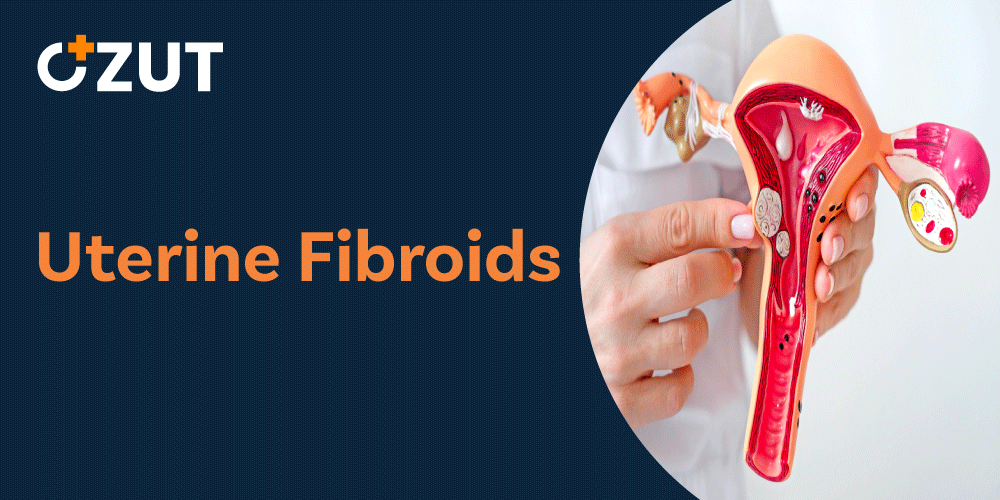
Fibroids are classified according to their location in or on the uterus. Understanding the different types can help explain the various symptoms that may occur.
Intramural Fibroids
Intramural fibroids are the most common type. They appear within the muscular wall of the uterus and may grow larger over time, potentially stretching the uterus. Due to their position within the uterine wall, they can cause significant symptoms when they expand.
Subserosal Fibroids
These fibroids form on the outside of the uterus, which is called the serosa. They may grow large enough to make the uterus appear bigger on one side. Because they grow outward, they may put pressure on surrounding organs rather than affecting the uterine cavity directly.
Pedunculated Fibroids
When subserosal fibroids develop a stem or slender base that supports the tumor, they’re known as pedunculated fibroids. This stem-like attachment allows the fibroid to extend further from the uterine surface.
Submucosal Fibroids
These tumors develop in the myometrium, the middle muscle layer of the uterus. Submucosal fibroids aren’t as common as other types but can significantly impact menstrual bleeding and fertility because they grow toward the uterine cavity.
Cervical Fibroids
Cervical fibroids develop on the cervix, which connects the uterus to the vagina. These are relatively rare compared to other types of fibroids but can cause unique symptoms due to their location.
Symptoms of Uterine Fibroids
Your symptoms will depend on the number of tumors you have, as well as their location and size. For instance, submucosal fibroids may cause heavy menstrual bleeding and trouble conceiving. If your tumor is very small or you’re going through menopause, you may not have any symptoms at all.
Common symptoms of fibroids include:
- Heavy bleeding between or during periods
- Menstrual clots
- Menstruation that lasts longer than usual
- Increased menstrual cramping
- Pain in the pelvis or lower back
- Pressure or fullness in the lower abdomen
- Swelling or enlargement of the abdomen
- Increased urination
- Pain during intercourse
Interestingly, fibroids may shrink during and after menopause. This occurs because estrogen and progesterone levels drop during menopause, and these hormones are known to stimulate fibroid growth.
Causes and Risk Factors
The exact cause of fibroid development remains unclear, but research suggests several factors may influence their formation:
Hormonal Influence
The ovaries produce estrogen and progesterone, which cause the uterine lining to regenerate during each menstrual cycle. These same hormones can stimulate the growth of fibroids, which explains why fibroids often shrink after menopause when hormone levels decrease.
Genetic Factors
Fibroids may run in families. If your mother, sister, or grandmother has a history of this condition, you may be more likely to develop it as well, suggesting a genetic component to fibroid development.
Risk Factors
Several factors may increase your risk of developing fibroids:
- Being of African American descent
- Family history of fibroids
- Age (fibroids are most common during reproductive years)
- Early onset of menstruation
- Obesity
- Vitamin D deficiency
- High consumption of red meat
- Low intake of green vegetables, fruit, and dairy
Fibroids and Pregnancy
Pregnancy increases the body’s production of estrogen and progesterone. As a result, fibroids may develop and grow rapidly during pregnancy. However, people who are pregnant are still less likely to develop fibroids than those who aren’t pregnant. Studies indicate that fibroids affect 20% to 40% of all women but only 0.1% to 3.9% of pregnant women.
Most pregnant women with fibroids don’t experience complications related to the growths. However, in some cases, fibroids can increase the risk of miscarriage, preterm labor, or complications during delivery, which is why proper monitoring during pregnancy is important.
Diagnosis of Fibroids
For a proper diagnosis, you’ll need to see a gynecologist for a pelvic exam. During this examination, they’ll check the condition, size, and shape of your uterus to detect any abnormalities.
Imaging Tests
In addition to a physical examination, imaging tests are often necessary to confirm the presence of fibroids and determine their exact location, size, and number.
Ultrasound
An ultrasound uses high-frequency sound waves to produce images of the uterus on a screen. This allows healthcare professionals to see the internal structures of the uterus as well as any fibroids present.
Transvaginal Ultrasound
In this procedure, an ultrasound wand is inserted into the vagina, which may provide clearer images because it’s closer to the uterus during the procedure.
Other imaging tests that might be used include MRI, hysterosonography (ultrasound with saline infusion), and hysteroscopy (direct visualization of the uterine cavity).
Treatment Options for Fibroids
Treatment plans are typically developed based on your age, the size of your fibroids, overall health, and whether you wish to have children in the future. You may receive a combination of treatments.
Home Remedies and Natural Treatments
Several lifestyle changes and natural approaches may help manage fibroid symptoms:
- Acupuncture
- Exercises such as yoga
- Massage therapy
- Traditional herbal formulas
- Applying heat for cramps (avoid heat if you experience heavy bleeding)
Dietary Changes
Certain dietary modifications may help manage fibroids:
- Reducing consumption of meats and high-calorie foods
- Increasing intake of foods and drinks high in flavonoids
- Eating more green vegetables
- Drinking green tea
- Consuming cold-water fish such as tuna and salmon
Managing stress levels and maintaining a healthy weight can also be beneficial for those with fibroids.
Medications
Various medications can help manage fibroid symptoms or even shrink the growths:
Hormone-Regulating Medications
Gonadotropin-releasing hormone (GnRH) agonists, such as leuprolide acetate, cause estrogen and progesterone levels to drop. This eventually stops menstruation and can shrink fibroids, though these medications are typically used for limited periods due to side effects.
GnRH antagonists also help to shrink fibroids by stopping the body from producing follicle-stimulating hormone and luteinizing hormone. These include injectable medications and oral options.
Symptom Management Medications
Other options that can help control bleeding and pain but won’t shrink or eliminate fibroids include:
- Over-the-counter anti-inflammatory pain relievers
- Birth control pills
- Hormone-releasing intrauterine devices
Noninvasive or Minimally Invasive Procedures
For those seeking treatment beyond medication, several less invasive options exist:
Focused Ultrasound Surgery
This newer and completely noninvasive surgical procedure uses high-energy, high-frequency sound waves directed at the fibroids to destroy them. The procedure is guided by MRI imaging for precision.
Myolysis Procedures
These procedures shrink fibroids using heat sources, such as an electric current or laser, while cryomyolysis freezes the fibroids to destroy them.
Endometrial Ablation
During this procedure, a healthcare professional inserts a special instrument into the uterus to destroy the uterine lining using heat, an electric current, hot water, or extreme cold. This can help with bleeding but is only suitable for certain types of fibroids.
Uterine Fibroid Embolization
In this nonsurgical option, small particles are injected into the uterus to cut off the fibroids’ blood supply, causing them to shrink and die.
Surgical Options
When other treatments aren’t suitable or effective, surgical intervention may be necessary:
Myomectomy
This surgery removes fibroids while preserving the uterus, making it appropriate for women who wish to maintain fertility. During an abdominal myomectomy, a surgeon makes a large incision in the abdomen to access the uterus and remove the fibroids.
A myomectomy can also be performed laparoscopically, where a surgeon makes a few small incisions and inserts surgical tools and a camera through those incisions. It’s important to note that fibroids might grow back after a myomectomy.
Hysterectomy
This procedure involves the complete removal of the uterus and is the only definitive cure for fibroids. However, it ends fertility and is typically reserved for severe cases when other treatments have failed.
Outlook and Prognosis
Your outlook will depend on the size and location of your fibroids. Small fibroids that don’t produce symptoms may not need treatment at all. Many women with fibroids lead normal lives with minimal or manageable symptoms.
If you’re pregnant and have fibroids, or become pregnant and have fibroids, healthcare providers will carefully monitor your condition. In most cases, fibroids don’t cause problems during pregnancy, but regular check-ups are important.
For those planning pregnancy who have fibroids, it’s