
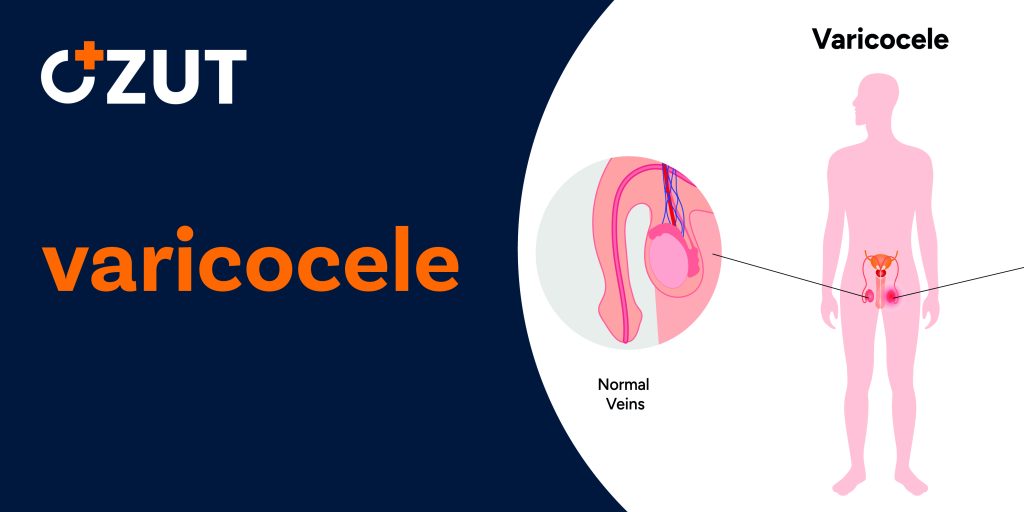
Understanding Varicoceles: Causes, Symptoms, and Treatment Options
The scrotum is a skin-covered sac that holds the testicles and contains arteries and veins that deliver blood to the reproductive glands. A varicocele is a vein abnormality that occurs in the scrotum, very similar to varicose veins that can appear in the legs. These enlarged, twisted veins in the scrotum can potentially affect fertility and even cause the testicles to shrink in some cases.
What Are Varicoceles?
Varicoceles are relatively common vein abnormalities that typically form during puberty. They are more commonly found on the left side of the scrotum due to anatomical differences between the right and left sides. While varicoceles can exist on both sides simultaneously, this occurrence is extremely rare. It’s important to note that not all varicoceles affect sperm production or cause noticeable symptoms.
These vein abnormalities develop when blood doesn’t move properly through the veins in the scrotum. Instead of flowing normally, the blood begins to pool in the vein, causing it to enlarge. This process typically happens gradually over time, with the condition developing slowly rather than suddenly.
Common Symptoms of Varicoceles
Many individuals with varicoceles experience no symptoms at all, and the condition is often discovered during routine physical examinations or fertility assessments. However, when symptoms do occur, they may include:
- A lump in one of the testicles
- Swelling in the scrotum
- Visibly enlarged or twisted veins in the scrotum (often described as looking like a “bag of worms”)
- Dull, recurring pain in the scrotum
- Shrinkage of the affected testicle
- Changes in the size of one or both testicles
The severity of symptoms can vary significantly from person to person. Some individuals may experience only mild discomfort, while others might have more pronounced pain or noticeable physical changes to the scrotum.
Understanding the Anatomy and Causes
To understand varicoceles, it helps to know the basic anatomy of the scrotum. Each testicle is supported by a spermatic cord, which contains veins, arteries, and nerves that support these reproductive glands. In healthy veins inside the scrotum, one-way valves move blood from the testicles through the scrotum and back to the heart.
When a varicocele develops, this normal blood flow is disrupted. Instead of moving efficiently through the veins, the blood begins to pool, causing the veins to enlarge and become twisted. Despite extensive research, the exact cause of varicoceles remains unclear, and there are no established risk factors for developing this condition.
Why Varicoceles Often Occur on the Left Side
The predominance of left-sided varicoceles is related to anatomical differences. The left testicular vein empties into the left renal vein at a 90-degree angle, while the right testicular vein drains directly into the inferior vena cava. This anatomical difference creates greater pressure in the left testicular vein, making it more susceptible to becoming a varicocele.
Diagnosis Methods for Varicoceles
When a healthcare provider suspects a varicocele, several diagnostic approaches may be used to confirm the condition:
Physical Examination
The primary method of diagnosis is a physical examination. Since varicoceles can be difficult to detect when a person is lying down (as the veins may decompress in this position), doctors typically examine the testicles while the patient is both standing up and lying down. This allows for better detection of the abnormal veins.
Valsalva Maneuver
For smaller varicoceles that might be harder to detect, healthcare providers often use the Valsalva maneuver. This technique requires the patient to stand, take a deep breath, hold it, and bear down while the doctor examines the scrotum. This increased abdominal pressure makes varicoceles more prominent and easier to detect.
Scrotal Ultrasound
In some cases, a scrotal ultrasound may be necessary for accurate diagnosis. This imaging technique helps measure the spermatic veins and provides the doctor with a detailed picture of the condition. Ultrasound is particularly useful for detecting smaller varicoceles that might not be apparent during a physical examination.
Classification of Varicoceles
Once diagnosed, varicoceles are classified into three clinical grades based on their size:
- Grade 1 : The smallest varicoceles, often only detectable during the Valsalva maneuver
- Grade 2 : Medium-sized varicoceles that are palpable without the Valsalva maneuver
- Grade 3 : The largest varicoceles, which are visible through the skin of the scrotum
It’s important to note that the size classification doesn’t necessarily dictate treatment. Treatment decisions are based primarily on the degree of discomfort experienced and whether there are fertility concerns, rather than simply the grade of the varicocele.
Impact on Fertility
One of the most significant concerns with varicoceles is their potential impact on fertility. Varicoceles can affect sperm production and quality in several ways:
- Increased temperature in the testicles due to poor blood circulation
- Reduced blood flow leading to accumulation of toxins
- Hormonal imbalances affecting sperm production
- Potential backflow of adrenal metabolites into the testes
Not all varicoceles cause fertility problems, but they are found in approximately 40% of men experiencing primary infertility issues. For couples having difficulty conceiving, addressing a varicocele may improve fertility outcomes in some cases.
When Treatment Is Necessary
Not all varicoceles require treatment. Many men with varicoceles have no symptoms and normal fertility. Treatment is typically considered in the following situations:
- When the varicocele causes pain or discomfort
- When there is testicular atrophy (shrinkage)
- When fertility is affected
- When considering assisted reproductive techniques
The earlier treatment begins, particularly for fertility-related concerns, the better the chances of improving sperm production. However, each case should be evaluated individually, and treatment decisions should be made in consultation with healthcare providers.
Conservative Management Options
For mild cases or when surgery isn’t immediately necessary, conservative management approaches may be recommended:
Supportive Underwear
Wearing tight underwear or a jockstrap can sometimes provide support that alleviates pain or discomfort associated with varicoceles. This non-invasive approach may be sufficient for managing mild symptoms.
Pain Management
Over-the-counter pain relievers may help manage discomfort. However, these should be used under medical guidance and are not a solution for the underlying condition.
Surgical Treatment Options
When conservative management isn’t sufficient, or when fertility is a concern, surgical intervention may be recommended. The two primary treatment options are varicocelectomy and varicocele embolization.
Varicocelectomy
A varicocelectomy is a same-day surgical procedure performed to treat varicoceles. During this procedure, the surgeon makes a small incision to access and tie off the affected veins, redirecting blood flow to normal veins. This procedure can be performed using several techniques:
- Open surgery : Traditional approach with a single incision
- Laparoscopic surgery : Uses small incisions and a camera
- Microsurgical approach : Uses a microscope for greater precision
Recovery from varicocelectomy typically takes about two weeks, with most patients able to return to normal activities within a few days.
Varicocele Embolization
Varicocele embolization is a less invasive, same-day procedure performed by interventional radiologists. During this procedure, a small catheter is inserted into a groin or neck vein and guided to the affected area. A coil or other blocking agent is then placed into the catheter and positioned in the varicocele, blocking blood from flowing to the abnormal veins.
This procedure offers several advantages, including:
- No surgical incision in the scrotum or groin
- Shorter recovery time
- Lower risk of complications
- Similar success rates to surgical approaches
Recovery and Outcomes
Recovery times vary depending on the treatment method chosen. After varicocelectomy, patients typically need to avoid heavy lifting and strenuous activity for about two weeks. Following embolization, recovery is often quicker, with most patients returning to normal activities within 24-48 hours.
For those seeking treatment due to fertility concerns, improvements in sperm parameters are often seen within 3-6 months after successful treatment. However, it’s important to note that while treatment may improve sperm quality and quantity, it doesn’t guarantee fertility success in all cases.
When to Seek Medical Attention
It’s important to consult with a healthcare provider if you notice any of the following symptoms:
- Dull, aching, or throbbing pain in the scrotum, testicle, or groin
- Swelling of the scrotum
- Shrinkage of a testicle
- A lump or bulge on the scrotum
- Changes in the size of one or both testicles
Additionally, if you and your partner are having difficulty conceiving, discussing the possibility of a varicocele with your healthcare provider may be beneficial. In some cases, they might recommend consultation with a reproductive specialist.
Conclusion
Varicoceles are common vein abnormalities that affect many men, often without causing noticeable symptoms. While not all varicoceles require treatment, those causing pain or contributing to fertility issues may benefit from intervention. With modern treatment options like varicocelectomy and embolization, the outlook for managing this condition is generally positive.
The decision to treat a varicocele should be made in consultation with healthcare providers, taking into account individual symptoms, fertility goals, and overall health considerations. By understanding the nature of varicoceles and the available treatment options, individuals can make informed decisions about their reproductive health.