
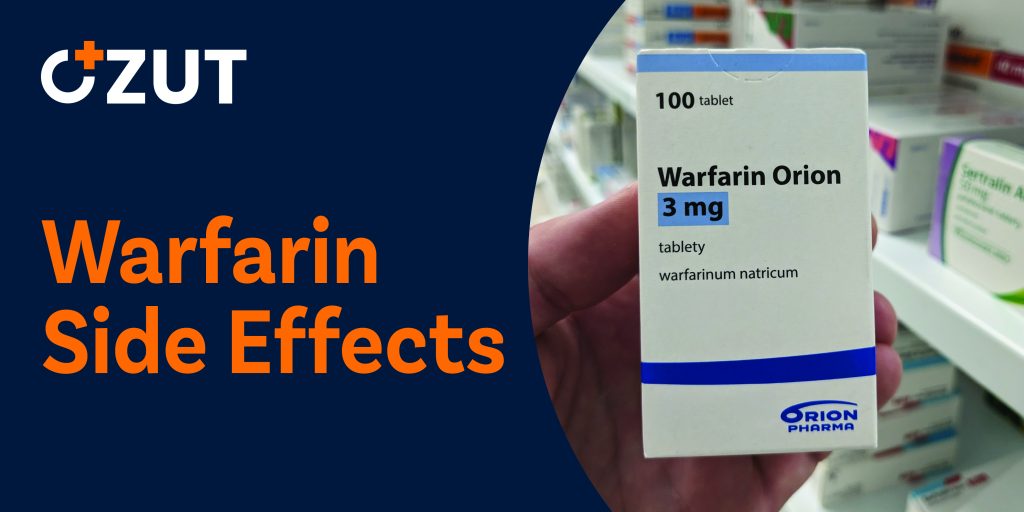
Blood Thinner Medication: Understanding Side Effects and Safety Precautions
Anticoagulant medications represent a critical component of modern cardiovascular medicine, serving as life-saving treatments for millions of patients worldwide. These medications work by preventing blood clots from forming or growing larger, thereby reducing the risk of serious medical emergencies. While these medications can be highly effective in preventing strokes, heart attacks, and other clot-related complications, they require careful management and monitoring to ensure patient safety. Understanding the potential side effects, drug interactions, and necessary precautions is essential for anyone taking these medications.
Medical Conditions Requiring Anticoagulation Therapy
Healthcare providers prescribe anticoagulant medications for various serious medical conditions where blood clot formation poses significant health risks. These medications are not given casually but are reserved for situations where the benefits clearly outweigh the potential risks.
Cardiovascular Conditions
Patients with blood clots in or near the heart face substantial risks of stroke, heart attack, or organ damage. The heart’s pumping action can dislodge these clots, sending them through the bloodstream to block vital arteries. Anticoagulation therapy helps prevent these dangerous clots from forming or enlarging, protecting patients from potentially fatal complications.
Individuals diagnosed with irregular heartbeat patterns face elevated stroke risks due to abnormal blood flow patterns within the heart chambers. When the heart beats irregularly, blood can pool in certain areas, creating ideal conditions for clot formation. These clots can then travel to the brain, causing strokes. Anticoagulant therapy significantly reduces this risk by preventing clot formation.
Pulmonary and Systemic Clotting Disorders
Blood clots in the lungs represent life-threatening emergencies requiring immediate anticoagulation therapy. These clots typically originate in the legs or pelvis and travel through the bloodstream to lodge in lung arteries, blocking blood flow and oxygen exchange. Long-term anticoagulation therapy prevents recurrence and allows existing clots to dissolve naturally.
Patients with artificial heart valves require lifelong anticoagulation therapy because mechanical valve surfaces can trigger clot formation. Without proper anticoagulation, these clots can interfere with valve function or break free and travel to vital organs, causing serious complications.
Primary Side Effects and Bleeding Risks
The fundamental mechanism that makes anticoagulant medications effective also creates their primary side effect: increased bleeding risk. These medications work by interfering with the body’s natural clotting cascade, which means injuries that would normally stop bleeding quickly may continue bleeding for extended periods.
Minor Bleeding Episodes
Patients taking anticoagulants often experience minor bleeding episodes that, while not immediately dangerous, require attention and monitoring. Nosebleeds may occur more frequently and last longer than usual. Gum bleeding during tooth brushing or flossing becomes more common. Small cuts from shaving or kitchen accidents may bleed longer than expected, sometimes requiring five to ten minutes of continuous pressure to stop.
Women taking anticoagulants may notice changes in menstrual bleeding patterns, including heavier flow or longer duration. Bleeding between menstrual periods should be reported to healthcare providers. These changes occur because the medication affects clotting throughout the entire body, including the uterine lining.
Serious Internal Bleeding Complications
Internal bleeding represents the most serious potential complication of anticoagulation therapy. Unlike external bleeding, internal bleeding may not be immediately visible, making recognition of warning signs critically important. Patients must seek immediate medical attention if they experience any symptoms suggesting internal bleeding.
Gastrointestinal bleeding can manifest as vomiting blood or material resembling coffee grounds, which indicates partially digested blood. Black, tarry stools or obviously bloody stools indicate bleeding somewhere in the digestive tract. Severe stomach pain accompanied by other symptoms may signal serious internal bleeding requiring emergency intervention.
Bleeding in the urinary tract produces red or brown-colored urine. Brain bleeding, though rare, represents an extremely serious complication that can occur after head injuries or spontaneously. Severe headaches, dizziness, weakness, or vision changes may indicate brain bleeding and require immediate emergency evaluation.
Musculoskeletal Bleeding
Bleeding into joints and muscles can occur, particularly after injuries. Patients may notice unusual bruising that appears without obvious cause or seems disproportionate to minor bumps. Joint pain and swelling, especially following trauma, may indicate bleeding within the joint space. These symptoms require medical evaluation to determine appropriate treatment.
Rare but Serious Complications
While uncommon, certain severe complications can occur with anticoagulation therapy. Skin tissue death represents a rare but serious complication that typically occurs within the first few days of starting treatment. This condition causes severe skin pain, color changes, temperature changes, and open sores. Immediate medical attention is essential if these symptoms develop.
Factors Increasing Bleeding Risk
Multiple factors can increase bleeding risk in patients taking anticoagulant medications. Understanding these risk factors helps patients and healthcare providers develop appropriate monitoring and prevention strategies.
Genetic Factors
Some individuals possess genetic variations that make them more sensitive to anticoagulant medications. These genetic differences affect how the body metabolizes and responds to the medication, potentially increasing bleeding risk even at standard doses. Genetic testing can help identify these patients and guide dosing decisions.
Medical Conditions
Several medical conditions significantly increase bleeding risk in patients taking anticoagulants. Kidney disease affects medication clearance from the body, potentially leading to accumulation and increased bleeding risk. Liver disease impairs production of clotting factors, compounding the anticoagulant effect. Cancer patients face increased risks due to disease effects on blood vessels and clotting systems.
Patients with histories of stroke, stomach ulcers, or gastrointestinal inflammation face elevated bleeding risks. Uncontrolled high blood pressure increases the risk of bleeding, particularly in the brain. These conditions require careful monitoring and potentially adjusted medication doses.
Lifestyle Factors
Excessive alcohol consumption increases bleeding risk through multiple mechanisms, including effects on liver function and platelet activity. Patients should discuss safe alcohol limits with their healthcare providers. Fall risk represents another significant concern, as even minor head injuries can cause serious bleeding in anticoagulated patients. Home safety modifications and fall prevention strategies become essential.
Timing and Age Considerations
Research indicates that bleeding risk is generally highest during the first three months of anticoagulation therapy. This period requires especially careful monitoring and patient education. Older adults face generally higher bleeding risks due to age-related changes in medication metabolism, increased fall risk, and higher rates of other medical conditions. Taking multiple blood-thinning medications simultaneously substantially increases bleeding risk.
Drug Interactions and Medication Management
Anticoagulant medications interact with numerous other drugs, potentially increasing or decreasing their effectiveness. These interactions can lead to dangerous bleeding or inadequate clot prevention.
Common Medication Interactions
Pain relievers represent one of the most common sources of drug interactions. Common over-the-counter pain medications can significantly affect anticoagulation, either by interfering with medication metabolism or by independently affecting clotting. Even acetaminophen, often considered safe, can interact with anticoagulants at higher doses.
Antibiotics frequently interact with anticoagulants, with many common antibiotics significantly increasing bleeding risk. Antifungal medications also interact substantially with anticoagulation therapy. Recent antiviral medications used for treating certain infections have shown significant interactions requiring dose adjustments.
Heart rhythm medications can substantially alter anticoagulant levels in the blood. Seizure medications affect anticoagulant metabolism, potentially requiring dose adjustments. Antacids and laxatives may affect medication absorption, altering effectiveness.
Herbal Supplements and Natural Products
Many patients assume herbal supplements are safe because they are natural, but numerous herbs significantly interact with anticoagulants. Several popular herbal supplements can increase bleeding risk when combined with anticoagulation therapy. These products affect clotting through various mechanisms and should be avoided or used only under medical supervision.
Certain traditional herbal remedies used in various cultures may interact with anticoagulants. Patients should inform healthcare providers about all herbal products they use, including teas, tinctures, and supplements. The lack of regulation in the supplement industry means product potency can vary significantly, making interactions unpredictable.
Dietary Considerations and Vitamin K
Vitamin K plays a crucial role in blood clotting and directly counteracts anticoagulant effects. This essential nutrient, important for heart and bone health, helps produce clotting factors in the liver. Anticoagulant medications work by blocking vitamin K activity, which is why dietary vitamin K intake affects medication effectiveness.
Vitamin K-Rich Foods
Green leafy vegetables contain the highest concentrations of vitamin K. Lettuce, spinach, kale, collard greens, and broccoli are particularly rich sources. Other vegetables, including Brussels sprouts and asparagus, also contain significant amounts. Some vegetable oils and certain fruits contain moderate vitamin K levels.
Maintaining Dietary Consistency
The key to managing vitamin K intake while taking anticoagulants is consistency rather than avoidance. Patients should not eliminate vitamin K-rich foods from their diets, as these foods provide important nutrients. Instead, they should maintain relatively consistent intake from day to day and week to week. Sudden large increases or decreases in vitamin K consumption can cause anticoagulation levels to fluctuate dangerously.
Healthcare providers and nutritionists can help patients develop meal plans that provide adequate nutrition while maintaining consistent vitamin K intake. Regular monitoring allows dose adjustments if dietary patterns need to change. Patients should inform their healthcare team before making significant dietary changes.
Beverages and Other Dietary Interactions
Certain beverages interact with anticoagulant medications beyond their vitamin K content. Cranberry juice has shown potential interactions in some studies, though evidence remains mixed. Green tea contains vitamin K and other compounds that may affect anticoagulation. Grapefruit affects medication metabolism in the liver, potentially altering anticoagulant levels. Alcohol consumption affects liver function and clotting, requiring moderation or avoidance.
Risk Reduction Strategies
Patients taking anticoagulants can take numerous steps to reduce bleeding risk while maintaining medication effectiveness.
Communication with Healthcare Providers
Complete medication disclosure is essential for safe anticoagulation therapy. Patients must inform all healthcare providers about anticoagulant use, including dentists, specialists, and emergency personnel. Before starting any new medication, including over-the-counter drugs and supplements, patients should consult the provider managing their anticoagulation therapy.
Medical procedures, including dental cleanings and minor surgeries, may require temporary medication adjustments. Never stop or change anticoagulant doses without medical guidance, as this can lead to dangerous clot formation. Some procedures may require bridging therapy with shorter-acting medications.
Injury Prevention
Fall prevention becomes critically important for anticoagulated patients. Home safety modifications, including removing tripping hazards, improving lighting, and installing grab bars, reduce fall risk. Patients with balance problems or fall history should discuss assistive devices with their healthcare team.
Contact sports and activities with high injury risk may need to be avoided or modified. Bicycle helmets and other protective equipment become essential for patients who continue active lifestyles. Patients should honestly discuss their activity levels with healthcare providers to develop appropriate safety strategies.
Personal Care Modifications
Simple changes in personal care routines can significantly reduce bleeding risk. Soft-bristle toothbrushes and waxed dental floss minimize