Gallbladder Removal Surgery: Complete Guide to Procedure, Recovery, and Life After Surgery
Gallbladder removal surgery represents one of the most commonly performed surgical procedures worldwide. This operation, medically termed cholecystectomy, involves the complete removal of the gallbladder from the human body. Understanding this procedure, its necessity, and the recovery process can help patients prepare mentally and physically for the surgery and subsequent healing period.
Understanding the Gallbladder and Its Function
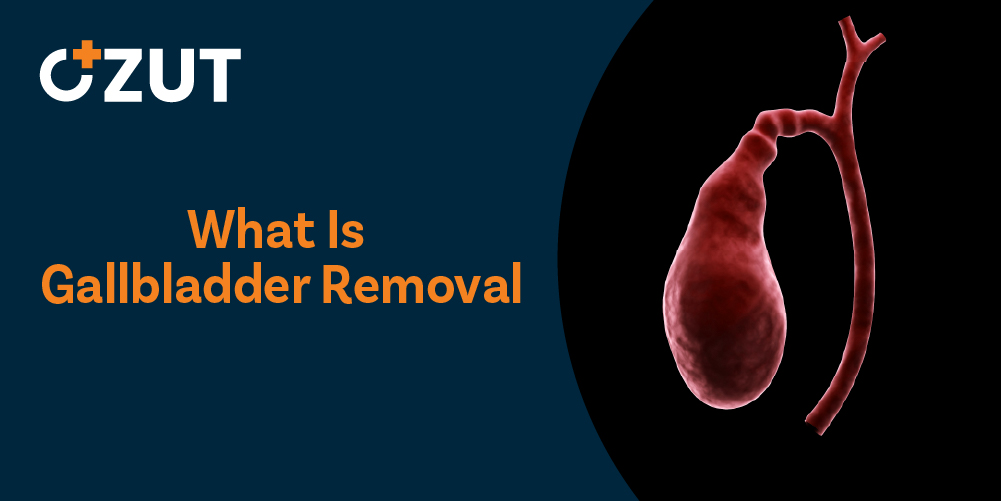
The gallbladder is a small, pear-shaped organ located in the upper right portion of the abdomen, positioned directly beneath the liver. Despite its small size, typically measuring only three to four inches in length, this organ plays a specific role in the digestive process. The primary function of the gallbladder involves storing bile, a digestive fluid produced continuously by the liver.
Bile serves as a crucial component in the digestive system, particularly in the breakdown and absorption of dietary fats. When food enters the small intestine, the gallbladder contracts and releases stored bile through a series of ducts into the digestive tract. This bile then emulsifies fats, making them easier for digestive enzymes to process and for the body to absorb essential nutrients.
The composition of bile includes water, cholesterol, bile salts, bilirubin, and various electrolytes. Under normal circumstances, these components remain in solution. However, when the chemical balance of bile becomes disrupted, crystallization can occur, leading to the formation of gallstones, which represent the most common reason for gallbladder removal.
Why Gallbladder Removal Becomes Necessary
The decision to remove the gallbladder typically stems from complications arising from gallstones. These hardened deposits can range in size from tiny grains of sand to golf ball-sized masses. Gallstones develop when substances in bile, particularly cholesterol or bilirubin, become overly concentrated and form solid particles.
Many individuals with gallstones experience no symptoms whatsoever and may never require treatment. However, when gallstones cause blockages or inflammation, they can trigger significant health problems that necessitate surgical intervention. The most common symptom indicating problematic gallstones is recurrent abdominal pain, particularly in the upper right quadrant of the abdomen.
This pain, often described as biliary colic, typically occurs after consuming fatty meals and can last from several minutes to several hours. The discomfort may radiate to the back, right shoulder blade, or chest area. Additional symptoms that may indicate gallbladder problems include nausea, vomiting, fever, yellowing of the skin or eyes, and changes in stool or urine color.
Complications That Require Surgical Intervention
Several serious complications can arise from untreated gallstone disease. Acute cholecystitis, an inflammation of the gallbladder, occurs when a gallstone blocks the cystic duct, causing bile to accumulate and the gallbladder wall to become inflamed. This condition can lead to severe pain, fever, and potentially life-threatening infections if left untreated.
Choledocholithiasis represents another serious complication where gallstones migrate from the gallbladder into the common bile duct, potentially blocking the flow of bile from the liver. This blockage can cause jaundice, severe pain, and increase the risk of pancreatitis, a dangerous inflammation of the pancreas.
Chronic gallbladder inflammation, known as chronic cholecystitis, can develop over time from repeated episodes of acute inflammation or persistent irritation from gallstones. This condition can cause the gallbladder wall to thicken and lose its ability to function properly, making removal the most effective long-term solution.
The Surgical Procedure Explained
Modern gallbladder removal surgery is typically performed using minimally invasive laparoscopic techniques. This approach involves making several small incisions in the abdomen rather than one large opening. Through these small incisions, surgeons insert a laparoscope, a thin tube equipped with a camera and light, along with specialized surgical instruments.
The laparoscopic approach offers numerous advantages over traditional open surgery, including smaller scars, reduced postoperative pain, shorter hospital stays, and faster recovery times. The surgeon views the surgical area on a monitor and carefully dissects the gallbladder from the liver and surrounding structures before removing it through one of the small incisions.
In some cases, an open cholecystectomy may be necessary. This traditional approach involves a larger incision in the upper right abdomen and may be required when severe inflammation, scarring, or anatomical variations make laparoscopic surgery unsafe or impractical. The decision between laparoscopic and open surgery depends on individual patient factors and the surgeon’s assessment.
Preparation for Surgery
Proper preparation for gallbladder removal surgery involves several important steps. Patients typically undergo preoperative testing, including blood work and imaging studies, to assess overall health and identify any potential complications. Healthcare providers will review all current medications, as some may need to be temporarily discontinued before surgery.
Fasting requirements usually mandate that patients avoid eating or drinking for a specified period before the procedure, typically eight to twelve hours. This precaution reduces the risk of complications related to anesthesia. Patients should arrange for transportation home after surgery, as they will not be able to drive following anesthesia.
Hospital Stay and Immediate Postoperative Period
The typical hospital stay for laparoscopic gallbladder removal is remarkably brief. Most patients arrive at the hospital on the day of surgery and can return home the same day, provided they meet specific discharge criteria. The entire surgical procedure usually takes between one and two hours, though patients spend additional time in preoperative preparation and postoperative recovery areas.
After surgery, patients are monitored in a recovery area until the effects of anesthesia wear off. Healthcare providers assess vital signs, pain levels, and the ability to tolerate liquids before discharge. Patients must demonstrate stable vital signs, adequate pain control, and the ability to urinate before leaving the hospital.
Some patients may require an overnight hospital stay, particularly if surgery occurs later in the day, if complications arise during the procedure, or if the patient has underlying health conditions that warrant extended observation. Open cholecystectomy procedures typically require a hospital stay of two to three days.
Recovery Timeline and Expectations
The recovery period following gallbladder removal varies among individuals but generally follows a predictable pattern. Most patients experience some degree of pain and discomfort in the days immediately following surgery. This discomfort typically manifests as soreness at the incision sites and may include shoulder pain caused by residual carbon dioxide gas used during laparoscopic surgery.
Pain management is a crucial component of postoperative care. Healthcare providers prescribe appropriate pain medications to keep patients comfortable during the initial recovery phase. Over-the-counter pain relievers may suffice for some patients, while others may require prescription medications for several days following surgery.
The complete recovery process typically spans several weeks. During the first week, patients should focus on rest while gradually increasing activity levels. Light walking is encouraged to promote circulation and prevent complications, but strenuous activities, heavy lifting, and vigorous exercise should be avoided during the initial recovery period.
Returning to Normal Activities
Most patients can resume normal daily activities within one to two weeks after laparoscopic gallbladder removal. However, the timeline for returning to work depends on the nature of one’s occupation. Those with sedentary jobs may return within a week, while individuals with physically demanding occupations may need three to four weeks before resuming full duties.
Driving restrictions typically apply for at least one week following surgery or until patients are no longer taking prescription pain medications that may impair reflexes and judgment. Patients should feel comfortable performing emergency maneuvers and experience no significant pain when turning or braking before resuming driving.
Exercise and physical activity should be reintroduced gradually. Light activities such as walking can begin immediately after surgery, but patients should wait at least two weeks before engaging in more strenuous exercise. Heavy lifting, typically defined as anything over ten pounds, should be avoided for four to six weeks to allow proper healing of abdominal muscles and incision sites.
Life Without a Gallbladder
One of the most reassuring aspects of gallbladder removal is that the organ is not essential for survival or maintaining a normal quality of life. The human body adapts remarkably well to the absence of a gallbladder. Without this storage reservoir, bile flows directly from the liver into the small intestine in a continuous trickle rather than being released in concentrated amounts during meals.
This continuous flow of bile is generally sufficient for normal digestion, and most people experience no long-term digestive problems after gallbladder removal. The liver continues producing bile at the same rate, ensuring that adequate amounts are available for fat digestion throughout the day.
The body’s remarkable adaptability means that most individuals can return to eating a normal, varied, and healthy diet after recovery from surgery. While some temporary dietary modifications may be necessary during the initial healing period, long-term dietary restrictions are typically unnecessary for the majority of patients.
Dietary Considerations After Surgery
During the immediate postoperative period, patients often benefit from following a modified diet that is easier to digest. Starting with clear liquids and gradually progressing to bland, low-fat foods can help minimize digestive discomfort as the body adjusts to the absence of the gallbladder.
Some individuals may experience temporary changes in bowel habits following gallbladder removal, including more frequent or looser stools. This occurs because bile is no longer concentrated and released in response to meals but instead flows continuously into the intestines. These symptoms typically resolve within a few weeks as the digestive system adapts.
Long-term dietary adjustments are generally minimal. Most people can gradually reintroduce all foods into their diet, including those high in fat. However, some individuals may find that certain foods, particularly those very high in fat or heavily spiced, cause temporary digestive discomfort. Identifying and moderating these trigger foods, if any exist, is usually sufficient to maintain comfort.
Potential Complications and When to Seek Help
While gallbladder removal is generally safe, as with any surgical procedure, potential complications can occur. Understanding warning signs that require immediate medical attention is crucial for patient safety. Severe or worsening abdominal pain, particularly if accompanied by fever, may indicate infection or other complications requiring prompt evaluation.
Signs of infection at incision sites include increased redness, warmth, swelling, or drainage. Fever above one hundred and one degrees Fahrenheit, chills, or general feelings of illness should prompt contact with healthcare providers. Jaundice, characterized by yellowing of the skin or whites of the eyes, may indicate a bile duct injury or retained gallstone and requires immediate medical assessment.
Persistent nausea, vomiting, or inability to keep down liquids can lead to dehydration and may signal complications. Similarly, severe diarrhea lasting more than a few days or signs of dehydration such as decreased urination, dizziness, or extreme thirst warrant medical evaluation.
Long-Term Outcomes and Quality of Life
The long-term prognosis following gallbladder removal is excellent for the vast majority of patients. Most individuals experience complete resolution of the symptoms that necessitated surgery, such as recurrent abdominal pain, nausea, and digestive discomfort. The removal of a diseased gallbladder eliminates the source of these problems, allowing patients to return to normal, active lives.
Research and clinical experience demonstrate that quality of life typically improves significantly after gallbladder removal, particularly for those who experienced frequent or severe symptoms before surgery. The relief from chronic pain and digestive issues often outweighs any minor adjustments required during the recovery period.
Regular follow-up with healthcare providers ensures proper healing and allows for addressing any concerns that may arise during recovery. Most patients require only routine postoperative visits unless complications develop. Once fully he