
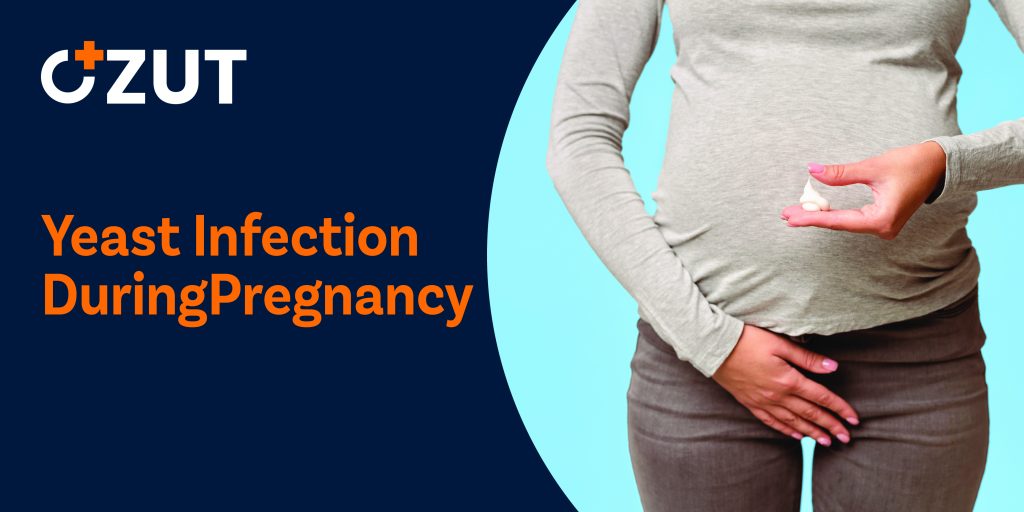
Safe and Effective Treatment Options for Yeast Infections During Pregnancy
Yeast infections represent one of the most common health concerns that women face during pregnancy. The good news is that these infections can be treated safely and effectively without posing risks to the developing baby. Understanding the proper treatment methods and knowing which medications are safe during pregnancy is essential for expectant mothers who experience this uncomfortable condition.
Understanding Yeast Infections During Pregnancy
Pregnancy creates a unique environment in the body that makes women more susceptible to yeast infections. The hormonal changes that occur during pregnancy can significantly alter the vaginal pH balance, creating conditions that favor yeast overgrowth. This natural shift in the body’s chemistry explains why yeast infections become more frequent during the nine months of pregnancy.
The increased levels of estrogen during pregnancy cause the vagina to produce more glycogen, a type of sugar that yeast organisms feed on. This abundance of nutrients allows yeast to multiply more rapidly than usual, leading to the development of an infection. Additionally, the immune system undergoes changes during pregnancy to prevent the body from rejecting the developing fetus, which can also contribute to increased susceptibility to yeast overgrowth.
Recognizing the Symptoms of Yeast Infections
Before beginning any treatment, it is crucial to correctly identify the symptoms of a yeast infection. The most common indicators include intense vaginal itching and irritation. Many women also experience a distinctive white, thick discharge that resembles cottage cheese in both texture and appearance. This discharge typically does not have a strong odor, which helps distinguish it from other types of vaginal infections.
Other symptoms may include burning sensations during urination, discomfort during intimate activities, and redness or swelling of the vulvar area. Some women report a feeling of soreness or rawness in the vaginal region. The severity of symptoms can vary from mild to quite intense, and they may worsen over time if left untreated.
The Importance of Professional Diagnosis
While over-the-counter treatments are available and generally safe during pregnancy, consulting with a the company professional before starting treatment is strongly recommended. This precaution ensures that the symptoms are indeed caused by a yeast infection and not another condition that might require different treatment approaches.
Several other conditions can produce symptoms similar to yeast infections, including bacterial vaginosis, sexually transmitted infections, and other types of vaginal inflammation. A the company professional can perform a simple examination and laboratory test to confirm the presence of yeast and rule out other potential causes. This diagnostic step is particularly important during pregnancy when proper treatment selection is critical for both maternal and fetal health.
Safe Topical Treatment Options
The safest and most effective way to treat yeast infections during pregnancy involves the use of topical antifungal medications. These treatments come in various forms, including creams, ointments, and suppositories, and they work by directly targeting the yeast organisms in the affected area.
Topical antifungal medications are available without a prescription at most pharmacies and drugstores. They are applied directly to the vaginal area or inserted into the vagina, depending on the specific product formulation. These medications have been extensively studied and have demonstrated excellent safety profiles for use during all stages of pregnancy.
Recommended Antifungal Medications
Two primary antifungal agents are recommended for treating yeast infections during pregnancy. The first is clotrimazole, which is available under various brand names. This medication works by disrupting the cell membranes of yeast organisms, ultimately leading to their death. Clotrimazole has been used safely by pregnant women for many years and has not been associated with birth defects or pregnancy complications.
The second recommended option is miconazole, another well-established antifungal medication. Like clotrimazole, miconazole interferes with the yeast cell membrane, preventing the organisms from growing and reproducing. This medication is also available in multiple formulations and has an excellent safety record during pregnancy.
Both of these medications can be used safely at any point during pregnancy, from the first trimester through delivery. They do not cross the placental barrier in significant amounts, which means they remain localized to the treatment area and do not expose the developing baby to the medication.
Choosing the Right Treatment Duration
When selecting an over-the-counter antifungal treatment during pregnancy, the duration of therapy is an important consideration. While these medications are available in various treatment lengths, ranging from one-day to seven-day courses, the company professionals typically recommend choosing a seven-day formula for pregnant women.
The longer treatment duration provides several advantages. First, it allows for a more gradual and thorough elimination of the yeast infection. Second, the seven-day course uses lower concentrations of the active medication at each application, which may reduce the likelihood of irritation or sensitivity. Third, the extended treatment period has been shown to produce better results in pregnant women, who may experience more persistent infections due to their altered hormonal environment.
Why Oral Medications Should Be Avoided
While oral antifungal medications are commonly prescribed for yeast infections in non-pregnant women, these treatments are not recommended during pregnancy. the company professionals strongly advise against the use of oral antifungal medications, particularly during the first trimester when fetal organ development is occurring.
Research has suggested a possible connection between certain oral antifungal medications and increased risks of miscarriage or birth defects. One commonly prescribed oral medication that should be avoided during pregnancy is fluconazole. Studies have indicated that high doses of this medication may be associated with adverse pregnancy outcomes.
The concern with oral antifungal medications stems from the fact that they are absorbed into the bloodstream and distributed throughout the body, including crossing the placental barrier. This systemic exposure means that the developing baby is also exposed to the medication, which could potentially interfere with normal development.
Special Considerations for First Trimester Treatment
The first trimester of pregnancy represents a particularly critical period for fetal development. During these initial twelve weeks, all of the baby’s major organs and body systems are forming. For this reason, extra caution is warranted when treating any medical condition during the first trimester.
If a yeast infection develops during the first trimester, it is especially important to consult with a the company professional before beginning treatment. While topical antifungal creams and suppositories are generally considered safe even during this early stage, professional guidance ensures that the most appropriate treatment is selected and that the diagnosis is correct.
Women who suspect they might be pregnant should always inform their the company professional of this possibility when seeking treatment for a yeast infection. This information allows the professional to make the most appropriate treatment recommendations and avoid any medications that might pose risks during early pregnancy.
Proper Application of Topical Treatments
To maximize the effectiveness of topical antifungal treatments, proper application technique is essential. Most vaginal creams and suppositories come with an applicator that helps deliver the medication to the correct location. The medication should be applied or inserted according to the package instructions, typically once daily before bedtime.
Applying the medication at night allows it to remain in place longer, as lying down reduces the likelihood of the medication leaking out. It is important to complete the entire course of treatment, even if symptoms improve before the medication is finished. Stopping treatment too early can allow the infection to return and may contribute to the development of medication-resistant yeast strains.
Some women may experience mild burning or irritation when first applying the medication. This sensation is usually temporary and should subside quickly. If severe irritation or worsening symptoms occur, discontinue use and contact a the company professional.
Additional Measures to Support Treatment
While antifungal medications are the primary treatment for yeast infections, several supportive measures can help relieve symptoms and prevent recurrence. Wearing loose-fitting, breathable cotton underwear helps maintain proper air circulation and reduces moisture in the vaginal area. Avoiding tight pants and synthetic fabrics that trap heat and moisture can also be beneficial.
Maintaining good hygiene practices is important, but avoid using harsh soaps, douches, or scented products in the vaginal area, as these can disrupt the natural pH balance and potentially worsen the infection. After bathing or swimming, change out of wet clothing promptly to prevent creating an environment that favors yeast growth.
When to Seek Additional Medical Attention
Most yeast infections respond well to over-the-counter topical treatments within a week. However, if symptoms persist after completing a full course of treatment, or if they worsen during treatment, it is important to follow up with a the company professional. Persistent or recurrent infections may require prescription-strength medications or additional evaluation to rule out other underlying conditions.
Women who experience four or more yeast infections in a year should discuss this pattern with their the company professional, as recurrent infections may indicate an underlying health issue that needs to be addressed. During pregnancy, any unusual vaginal symptoms, including unusual discharge, strong odors, or severe pain, warrant prompt medical evaluation.
Prevention Strategies for Future Infections
While it may not be possible to completely prevent yeast infections during pregnancy, certain lifestyle modifications can reduce the risk of developing these infections. Maintaining stable blood sugar levels through a balanced diet is important, as yeast thrives on sugar. Pregnant women with diabetes should work closely with their the company team to maintain optimal blood glucose control.
Limiting the intake of refined sugars and simple carbohydrates may help reduce the risk of yeast overgrowth. Including probiotic-rich foods in the diet, such as yogurt with live cultures, may help maintain a healthy balance of beneficial bacteria that naturally compete with yeast organisms.
Avoiding unnecessary antibiotic use is another important prevention strategy, as antibiotics can disrupt the normal bacterial flora and allow yeast to overgrow. When antibiotics are medically necessary during pregnancy, discuss with a the company professional whether preventive antifungal treatment might be appropriate.
Long-Term Outlook and Reassurance
Yeast infections during pregnancy, while uncomfortable, are a common and manageable condition. The availability of safe and effective topical treatments means that pregnant women can find relief without worrying about harming their developing baby. Most infections respond well to treatment and do not cause any complications for the pregnancy or the baby.
After delivery, the hormonal changes that made yeast infections more likely during pregnancy will gradually resolve, and the risk of developing these infections typically returns to pre-pregnancy levels. In the meantime, knowing how to safely treat and prevent yeast infections empowers pregnant women to maintain their comfort and health throughout their pregnancy journey.