
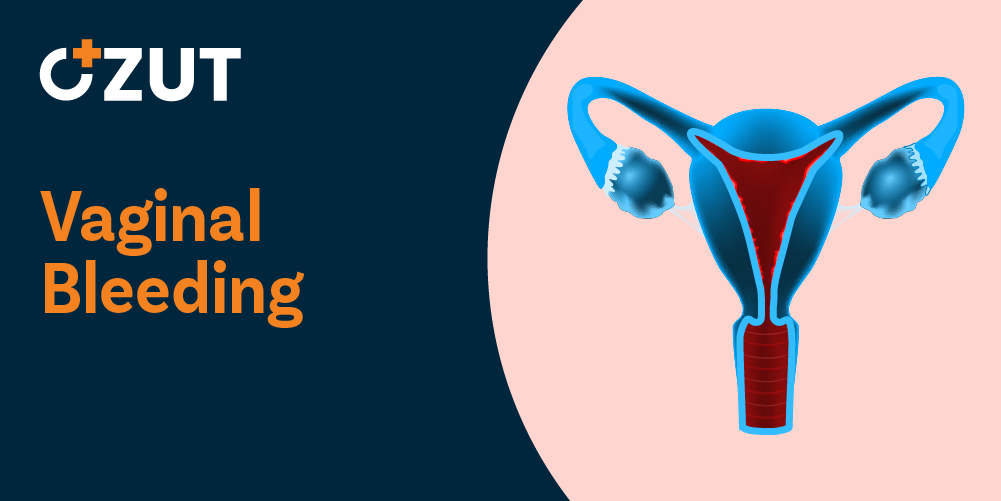
Understanding Vaginal Bleeding During Pregnancy: Causes, Risks, and When to Seek Help
Vaginal bleeding during pregnancy affects many expectant mothers and represents one of the most concerning symptoms women experience while carrying a child. While bleeding occurs relatively frequently and does not always indicate a serious problem, it requires immediate medical evaluation to ensure the safety of both mother and developing baby. Understanding the various causes of pregnancy bleeding, recognizing warning signs, and knowing when to seek emergency care can help expectant mothers navigate this frightening experience with greater confidence and appropriate medical support.
When Bleeding Requires Immediate Medical Attention
Any vaginal bleeding during pregnancy warrants prompt communication with healthcare providers. Expectant mothers should contact their medical team immediately upon noticing any blood discharge, regardless of the amount or stage of pregnancy. This urgent response allows medical professionals to quickly assess the situation, determine the underlying cause, and provide appropriate intervention if necessary. Even light spotting deserves professional evaluation, as only qualified healthcare providers can accurately distinguish between harmless bleeding and potentially dangerous complications.
Common Causes of Bleeding in Early Pregnancy
The first trimester brings several potential causes of vaginal bleeding, ranging from completely benign to medically significant. Understanding these various causes helps expectant mothers recognize what might be happening while emphasizing the continued importance of professional medical evaluation.
Implantation Spotting
During the earliest weeks of pregnancy, some women experience light bleeding known as implantation spotting. This harmless bleeding occurs when the developing embryo attaches itself to the uterine wall, a natural process in early pregnancy development. The spotting typically appears around the time a woman would normally expect her menstrual period, which sometimes causes confusion about whether pregnancy has occurred. Implantation bleeding generally presents as light spotting rather than heavy flow and resolves quickly without intervention. Despite its benign nature, any bleeding during early pregnancy should still be reported to healthcare providers for proper assessment.
Cervical Changes
Pregnancy triggers numerous physiological changes throughout the body, including significant modifications to the cervix. These cervical changes can sometimes result in light bleeding, particularly following sexual intercourse. The increased blood flow to the pelvic region during pregnancy makes cervical tissue more sensitive and prone to minor bleeding when disturbed. While cervical bleeding typically poses no threat to the pregnancy, medical evaluation remains important to confirm the source and rule out other potential causes.
Early Pregnancy Loss
During the first twelve weeks of pregnancy, vaginal bleeding may signal pregnancy loss or abnormal implantation. These serious complications require immediate medical attention and thorough evaluation. Approximately twenty percent of confirmed pregnancies end before the twenty-fourth week, with the majority occurring during the first trimester. Many early losses result from chromosomal abnormalities or developmental problems with the embryo that prevent normal growth. Additional factors including hormonal imbalances and blood clotting disorders can also contribute to early pregnancy loss.
Women who experience early pregnancy loss can typically conceive again successfully in subsequent pregnancies. The occurrence of one loss does not necessarily indicate ongoing fertility problems or increased risk in future pregnancies, though women with multiple losses may benefit from specialized evaluation and care.
Abnormal Implantation
When a fertilized egg implants outside the uterine cavity, typically within the fallopian tube, a dangerous condition develops that requires immediate medical intervention. This abnormal implantation creates a non-viable pregnancy that cannot develop properly and poses serious health risks to the mother. The condition typically manifests between six and eight weeks of pregnancy, though symptoms may appear later in some cases.
Symptoms of abnormal implantation include vaginal bleeding or brown watery discharge, lower abdominal pain that may concentrate on one side, shoulder tip pain, and discomfort during urination or bowel movements. These symptoms require emergency evaluation, as the condition can lead to life-threatening complications if left untreated. Treatment involves either surgical intervention or medication to resolve the pregnancy safely.
Treatment Options for Early Pregnancy Bleeding
Medical management of early pregnancy bleeding depends on the underlying cause and individual circumstances. Healthcare providers may recommend progesterone supplementation to help prevent pregnancy loss in specific situations. This treatment option typically applies to women who have experienced previous pregnancy loss and have confirmed their current pregnancy through ultrasound examination. The medication is usually administered twice daily and continued until sixteen weeks of pregnancy, when the risk of certain complications decreases significantly.
Progesterone therapy aims to support the pregnancy by supplementing natural hormone levels that help maintain the uterine lining and support embryonic development. However, this treatment is not appropriate for all cases of bleeding and should only be used under direct medical supervision following proper diagnostic evaluation.
Recognizing Additional Warning Signs
Vaginal bleeding often accompanies other symptoms that help healthcare providers identify the underlying cause and assess the severity of the situation. Expectant mothers should monitor for cramping and pain in the lower abdomen, fluid discharge from the vagina, tissue discharge, and sudden disappearance of pregnancy symptoms such as nausea or breast tenderness. The presence of these additional symptoms alongside bleeding requires immediate medical contact for urgent evaluation and appropriate intervention.
Causes of Bleeding in Later Pregnancy
As pregnancy progresses beyond the first trimester, different causes of vaginal bleeding become more common. While some later pregnancy bleeding results from benign causes, several serious complications can also produce bleeding during the second and third trimesters.
Cervical Changes and Infections
Cervical changes continue throughout pregnancy and may cause bleeding during later stages, particularly following sexual activity. Additionally, vaginal infections can produce bleeding or abnormal discharge during pregnancy. Healthcare providers can perform appropriate testing to identify infections and recommend safe treatment options that protect both mother and baby.
Mucus Plug Release
As the body prepares for labor, the mucus plug that has sealed the cervix throughout pregnancy may be expelled, sometimes accompanied by light bleeding or blood-tinged discharge. This event, commonly called a show, signals that the cervix is beginning to prepare for labor. The mucus plug may release several days before labor begins or during the early stages of labor itself. While this represents a normal part of the labor process, any bleeding during late pregnancy should still be reported to healthcare providers for proper assessment.
Placental Separation
A serious complication can occur when the placenta begins separating from the uterine wall before delivery. This condition typically causes abdominal pain, which may occur even without visible bleeding. The condition poses significant risks to both mother and baby and requires immediate emergency medical care. Any pregnant woman experiencing severe abdominal pain, with or without bleeding, should seek emergency evaluation immediately.
Low-Lying Placenta
When the placenta attaches in the lower portion of the uterus, near or covering the cervical opening, a condition called low-lying placenta develops. This positioning can cause heavy bleeding that poses serious risks to both mother and baby. Women diagnosed with this condition typically require careful monitoring throughout pregnancy and usually need cesarean delivery to ensure safe birth. Heavy bleeding from a low-lying placenta may necessitate emergency hospitalization and immediate delivery, regardless of gestational age.
Rare Vascular Complications
In rare cases, fetal blood vessels may run through the membranes covering the cervix rather than being protected within the umbilical cord. When the amniotic sac ruptures, these exposed vessels can tear, causing vaginal bleeding that actually represents fetal blood loss. This rare but extremely dangerous condition can result in life-threatening blood loss for the baby and requires immediate emergency intervention.
Diagnostic Procedures for Pregnancy Bleeding
Determining the cause of pregnancy bleeding requires thorough medical evaluation using various diagnostic tools and procedures. Healthcare providers typically perform vaginal or pelvic examinations to assess the cervix and identify potential sources of bleeding. Ultrasound imaging allows visualization of the developing baby, placental position, and uterine structures to identify abnormalities or complications. Blood tests measure hormone levels and assess overall maternal health status.
Medical providers also gather detailed information about accompanying symptoms including cramping, pain location and severity, dizziness, and other concerns. This comprehensive evaluation helps identify the bleeding source and determine appropriate treatment. In some cases, despite thorough investigation, the exact cause of bleeding cannot be definitively identified. These situations still require careful monitoring to ensure maternal and fetal safety.
Hospital Monitoring and Management
Depending on the severity of symptoms, bleeding cause, and gestational age, some women require hospitalization for observation and management. Hospital admission allows continuous monitoring of both maternal and fetal status, enabling rapid intervention if complications develop. The length of hospital stay varies based on individual circumstances, bleeding severity, and how many weeks pregnant the woman is at the time of the bleeding episode.
Hospital monitoring provides several important benefits for women experiencing pregnancy bleeding. Medical staff can continuously assess vital signs, monitor fetal heart rate, evaluate ongoing bleeding, and quickly respond to any deterioration in maternal or fetal condition. This intensive monitoring proves particularly important for serious complications that may require emergency delivery or other urgent interventions.
Emotional Impact and Support
Experiencing bleeding during pregnancy creates significant emotional distress for expectant mothers and their families. The fear and uncertainty surrounding pregnancy bleeding can cause anxiety, stress, and worry about pregnancy outcomes. Women experiencing bleeding benefit from emotional support alongside medical care, including clear communication from healthcare providers about their condition, realistic information about outcomes, and access to counseling services when needed.
Support from partners, family members, and friends plays a crucial role in helping women cope with the stress of pregnancy complications. Many women also find comfort in connecting with others who have experienced similar situations through support groups or online communities. Healthcare providers should address both the physical and emotional aspects of pregnancy bleeding to provide comprehensive, compassionate care.
Prevention and Risk Reduction
While many causes of pregnancy bleeding cannot be prevented, women can take steps to promote healthy pregnancy and reduce certain risks. Attending all scheduled prenatal appointments allows early identification of potential complications. Avoiding activities that may traumatize the cervix, such as vigorous sexual activity if recommended by healthcare providers, may reduce bleeding from cervical causes. Maintaining overall health through proper nutrition, adequate rest, and stress management supports healthy pregnancy progression.
Women with risk factors for pregnancy complications, including previous pregnancy loss, chronic health conditions, or advanced maternal age, may benefit from specialized care and closer monitoring throughout pregnancy. Early and consistent prenatal care remains the most important factor in identifying and managing pregnancy complications promptly.
Long-Term Outlook After Pregnancy Bleeding
Many women who experience bleeding during pregnancy go on to deliver healthy babies at term. The long-term outlook depends primarily on the underlying cause of bleeding, gestational age when bleeding occurred, and the presence of other complications. Women who experience early pregnancy loss can typically conceive again and have successful subsequent pregnancies. Those who experience bleeding from benign causes like cervical changes or implantation spotting generally have excellent pregnancy outcomes with appropriate monitoring and care.
Understanding the various causes of pregnancy bleeding, recognizing warning signs requiring immediate attention, and maintaining open communication with healthcare providers helps ensure the best possible outcomes for both mother and baby. While pregnancy bleeding always warrants medical evaluation, many cases resolve without serious complications, allowing pregnancy to continue normally to term.