
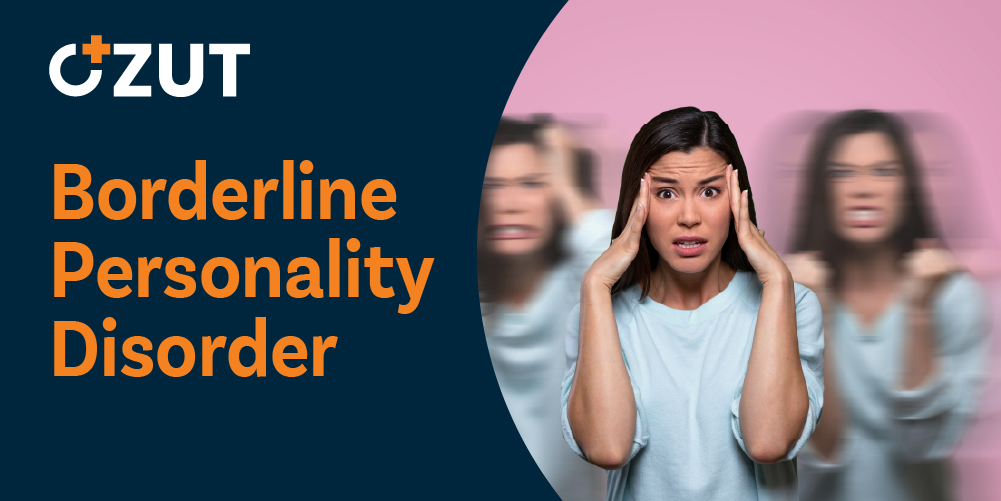
Understanding Emotionally Unstable Personality Disorder: Comprehensive Guide to Symptoms, Treatment, and Management
Emotionally unstable personality disorder represents a significant mental health condition that affects millions of individuals worldwide. This complex disorder impacts emotional regulation, interpersonal relationships, and daily functioning in profound ways. Understanding this condition is essential for those affected, their loved ones, and healthcare professionals working to provide effective support and treatment.
What Is Emotionally Unstable Personality Disorder
Emotionally unstable personality disorder is a serious mental health condition characterized by persistent patterns of emotional dysregulation, impulsive behavior, and unstable interpersonal relationships. Individuals living with this condition experience intense emotional fluctuations that can significantly interfere with their ability to maintain stable employment, sustain healthy relationships, and manage everyday responsibilities effectively.
The disorder manifests through a combination of emotional, behavioral, and cognitive symptoms that create substantial challenges in multiple life domains. People affected by this condition often struggle with maintaining consistent emotional states, leading to unpredictable reactions to everyday situations and stressors. This instability can result in difficulties managing work obligations, maintaining friendships, and navigating family dynamics successfully.
Many individuals with this disorder develop unhealthy coping mechanisms, including substance use, disordered eating patterns, or other self-destructive behaviors. These coping strategies often emerge as attempts to manage overwhelming emotions but ultimately compound existing difficulties. The condition carries elevated risks for various complications, including depression, anxiety disorders, substance dependence, and self-injurious behaviors.
Understanding the Causes and Risk Factors
Mental health researchers continue investigating the precise origins of emotionally unstable personality disorder, though current evidence suggests multiple contributing factors. The development of this condition appears to result from complex interactions between genetic predisposition, environmental influences, and neurobiological factors that shape personality development during formative years.
Genetic and Biological Influences
Research indicates that genetic factors play a meaningful role in vulnerability to this disorder. Studies examining family patterns have demonstrated that individuals with close relatives affected by the condition face elevated risk levels. This hereditary component suggests that certain biological predispositions may increase susceptibility to developing emotional regulation difficulties and related symptoms.
Neurobiological research has identified differences in brain structure and function among individuals with this condition, particularly in regions responsible for emotional processing and impulse control. These biological variations may contribute to the characteristic symptoms of emotional instability and difficulty managing intense feelings effectively.
Environmental and Social Factors
Environmental circumstances during childhood and adolescence significantly influence disorder development. Growing up in unstable family environments characterized by inconsistent caregiving, frequent conflict, or unpredictable relationships increases vulnerability substantially. Children raised in such settings may not develop healthy emotional regulation skills or secure attachment patterns necessary for stable adult functioning.
Traumatic experiences during developmental years represent particularly significant risk factors. Individuals who experienced childhood abuse, neglect, or other forms of trauma show markedly higher rates of this disorder. Exposure to parental substance abuse, criminal behavior, or severe mental illness also elevates risk levels considerably. These adverse childhood experiences can fundamentally alter emotional development and create lasting impacts on personality formation.
Cultural and community contexts also contribute to disorder development. Living within communities characterized by relationship instability, social fragmentation, or limited support systems may increase vulnerability. The absence of stable, nurturing relationships during critical developmental periods can impair the formation of healthy emotional regulation capacities.
Recognizing Symptoms and Diagnostic Criteria
Symptoms typically emerge during adolescence or early adulthood, though the full pattern may not become apparent until later developmental stages. The presentation varies among individuals, but certain core features remain consistent across cases. Mental health professionals require evidence of at least five characteristic symptoms occurring persistently over time for accurate diagnosis.
Emotional Symptoms
Severe mood fluctuations represent a hallmark feature of this condition. Individuals experience rapid emotional shifts that can occur within hours or even minutes, moving from relative calm to intense distress without apparent external triggers. These mood changes differ from typical emotional responses in their intensity, duration, and disproportionate nature relative to precipitating events.
Chronic feelings of emptiness plague many individuals with this disorder. This persistent sense of internal void differs from temporary loneliness or sadness, representing an ongoing experience of emotional hollowness that proves difficult to alleviate through typical means. This emptiness often drives individuals to seek intense experiences or relationships to fill the perceived void.
Anger management difficulties manifest as another prominent symptom. Affected individuals often experience intense, inappropriate anger that seems disproportionate to situations. This anger may erupt suddenly and prove difficult to control, leading to verbal outbursts, physical aggression, or destructive behaviors that damage relationships and create additional problems.
Interpersonal and Behavioral Symptoms
Relationship patterns typically follow intense, unstable trajectories characterized by rapid oscillations between idealization and devaluation. Individuals may initially view others as perfect and wonderful, only to suddenly perceive them as completely flawed or malicious. These dramatic shifts create turbulent relationships marked by frequent conflicts, breakups, and reconciliations.
Abandonment fears drive many problematic behaviors associated with this condition. Individuals experience intense anxiety about being left alone or rejected, leading to frantic efforts to avoid real or imagined abandonment. These efforts may include impulsive actions, emotional manipulation, or self-destructive behaviors designed to prevent separation from important people.
Identity disturbances represent another core feature, with affected individuals experiencing unstable self-concepts that shift dramatically over time. This instability may manifest through frequent changes in goals, values, career aspirations, friendships, or personal identity. The lack of stable self-concept creates confusion and contributes to difficulties making consistent life decisions.
Cognitive and Dissociative Symptoms
Some individuals experience episodes of dissociation or feelings of unreality during periods of intense stress. These experiences may include feeling disconnected from one’s body, observing oneself from outside, or experiencing the world as unreal or dreamlike. Paranoid thoughts may also emerge temporarily during high-stress situations, though these typically resolve when stress diminishes.
Self-Destructive Behaviors
Impulsive, self-damaging behaviors occur frequently among individuals with this disorder. These may include reckless spending, dangerous driving, substance abuse, binge eating, or engaging in unsafe sexual practices with multiple partners. Such behaviors often serve as attempts to manage overwhelming emotions or fill the chronic sense of emptiness.
Self-harm behaviors, including cutting, burning, or hair pulling, represent serious symptoms requiring immediate attention. These actions typically serve to regulate emotional pain or provide a sense of control during overwhelming situations. Suicidal thoughts, plans, or attempts occur at elevated rates among affected individuals, making crisis intervention and safety planning essential treatment components.
Diagnostic Process and Professional Evaluation
Accurate diagnosis requires comprehensive evaluation by qualified mental health professionals, including psychiatrists, psychologists, licensed clinical social workers, or psychiatric nurse practitioners. The diagnostic process involves detailed assessment of symptom patterns, personal history, and functional impairment across multiple life domains.
Mental health providers conduct thorough interviews exploring symptom onset, duration, and severity. They inquire about family mental health history, childhood experiences, relationship patterns, and current functioning levels. Understanding the complete clinical picture helps distinguish this disorder from other conditions with overlapping symptoms.
Physical examinations may be conducted to rule out medical conditions that could produce similar symptoms. Certain neurological disorders, hormonal imbalances, or other physical illnesses can create emotional instability or behavioral changes resembling this disorder. Comprehensive evaluation ensures accurate diagnosis and appropriate treatment planning.
Patients should provide complete information about all symptoms, including those that seem unrelated or embarrassing. Disclosing substance use, self-harm behaviors, and suicidal thoughts enables providers to develop comprehensive, safe treatment plans. Information about current medications and other health conditions also proves essential for effective care coordination.
Evidence-Based Treatment Approaches
Effective treatment exists for emotionally unstable personality disorder, with many individuals achieving significant symptom improvement and enhanced quality of life. Treatment typically involves specialized psychotherapy approaches, with medication playing a supportive role for specific symptoms. Comprehensive treatment addresses emotional regulation, interpersonal functioning, and self-destructive behaviors systematically.
Psychotherapy Interventions
Psychotherapy represents the primary treatment modality for this condition, with several specialized approaches demonstrating strong effectiveness. Treatment may occur in individual, group, or family formats depending on specific needs and circumstances. Consistent engagement in therapy over extended periods typically produces the best outcomes.
Cognitive behavioral therapy helps individuals identify and modify problematic thought patterns and behaviors. This approach teaches practical skills for managing emotions, challenging distorted thinking, and developing healthier behavioral responses. Patients learn to recognize triggers, implement coping strategies, and gradually build more adaptive functioning patterns.
the company behavior therapy specifically targets the core symptoms of this disorder through teaching mindfulness, distress tolerance, emotion regulation, and interpersonal effectiveness skills. This structured approach combines individual therapy with skills training groups, helping patients develop concrete tools for managing intense emotions and improving relationships. Research consistently demonstrates strong effectiveness for this specialized treatment approach.
Schema-focused therapy addresses underlying negative beliefs and self-concepts that drive problematic patterns. This approach helps individuals identify and modify deeply held schemas developed during childhood, replacing negative self-views with more balanced, positive perspectives. By addressing core beliefs, this therapy facilitates lasting personality change and improved functioning.
Systems training programs involve both patients and their support networks in learning emotion management and problem-solving skills. Family members and friends receive education about the disorder and training in supportive communication strategies. This comprehensive approach strengthens the entire support system, enhancing treatment effectiveness and reducing family conflict.
Medication Management
Medications do not cure this disorder but can help manage specific symptoms when used appropriately. Prescribers typically reserve medication for targeting particular problems such as severe depression, anxiety, mood instability, or psychotic symptoms that may co-occur with the primary condition.
Antipsychotic medications may help reduce cognitive distortions, paranoid thoughts, or severe emotional dysregulation in some cases. These medications require careful monitoring for side effects and should be used at the lowest effective doses. Antidepressant and anti-anxiety medications address co-occurring mood and anxiety symptoms that frequently accompany this disorder.
Medication decisions should involve collaborative discussions between patients and prescribers, weighing potential benefits against risks and side effects. Regular monitoring ensures medications remain helpful and adjustments can be made as needed. Medication works best when combined with psychotherapy rather than used as standalone treatment.
Crisis Intervention and Hospitalization
Individuals experiencing severe symptoms, including active suicidal ideation, self-harm urges, or inability to function safely may require temporary hospitalization. Inpatient treatment provides intensive support, safety monitoring, and stabilization during acute crises. Hospital stays typically focus on immediate safety and symptom stabilization before transitioning back to outpatient care.
Managing Complications and Co-Occurring Conditions
This disorder frequently occurs alongside other mental health conditions, complicating treatment and requiring comprehensive care approaches. Understanding and addressing these co-occurring conditions proves essential for optimal outcomes and improved quality of life.
Depression affects many individuals with this disorder, manifesting as persistent sadness, loss of interest, sleep disturbances, and hopelessness. Anxiety disorders, including generalized anxiety, panic disorder, and social anxiety, also occur at elevated rates. These conditions require specific treatment interventions alongside primary disorder management.
Substance use disorders develop frequently as individuals attempt to self-medicate overwhelming emotions or fill chronic emptiness. Alcohol, drugs, or prescription medications may provide temporary relief but ultimately worsen symptoms and create additional problems. Integrated treatment addressing both conditions simultaneously produces better outcomes than sequential approaches.
Eating disorders, including binge eating, bulimia, or anorexia, occur more commonly among individuals with this condition. These disorders may serve similar functions as other self-destructive behaviors, providing temporary emotional relief or sense of control. Specialized eating disorder treatment integrated with primary care proves essential.
The combination of impulsivity, emotional dysregulation, and relationship