
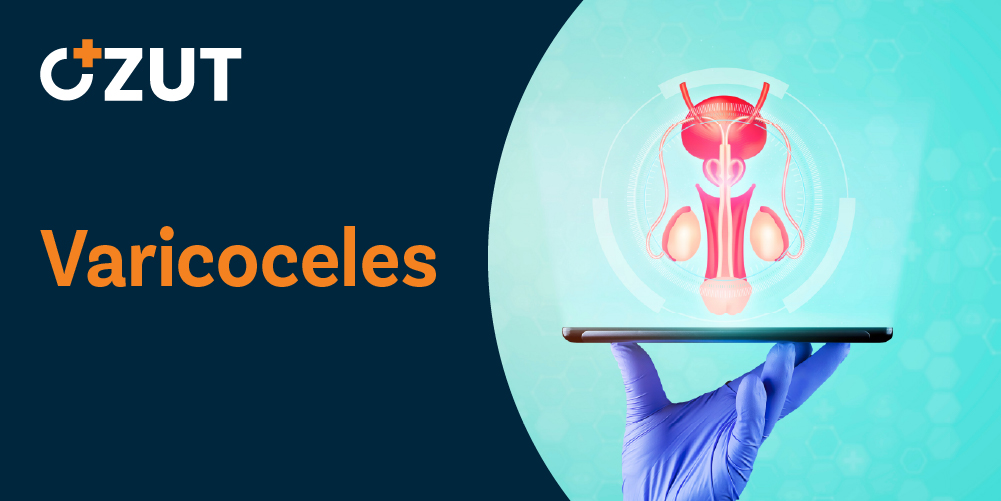
Understanding Varicocele: Causes, Symptoms, Diagnosis, and Treatment Options
A varicocele represents a common urological condition affecting approximately ten to fifteen percent of the male population. This condition involves the abnormal enlargement of veins within the scrotal sac, specifically affecting the network of veins responsible for draining blood from the reproductive organs. Understanding this condition is essential for men concerned about reproductive health and overall wellbeing.
What Is a Varicocele
A varicocele occurs when the pampiniform plexus veins inside the scrotal sac become abnormally enlarged and twisted. These veins function similarly to varicose veins that commonly appear in the legs, creating a comparable swelling and distortion of the vascular structure. The condition typically develops during adolescence and may progressively increase in size over time, becoming more noticeable as it advances.
The anatomical structure of the male reproductive system creates a natural predisposition for this condition to occur more frequently on the left side. This asymmetry results from differences in how blood vessels connect on each side of the body. While bilateral cases can occur, they remain relatively uncommon. The prevalence of this condition makes it one of the most frequently encountered issues in male reproductive health.
Normal Male Reproductive System Function
To understand how varicoceles affect male health, it is important to comprehend normal reproductive system function. The male reproductive system consists of several interconnected structures working together to produce, mature, and transport reproductive cells. The scrotal sac houses the reproductive glands where both reproductive cells and hormones are produced.
Behind each reproductive gland lies a coiled tubular structure called the epididymis, where reproductive cells undergo maturation. From the epididymis, cells travel through a tube called the vas deferens toward the prostate gland. During ejaculation, fluid from the prostate mixes with reproductive cells to form the final ejaculate, which travels through the urethra and exits the body.
The spermatic cord contains multiple vital structures including the vas deferens and the testicular artery, which supplies oxygenated blood to the reproductive glands. Within this cord lies the pampiniform plexus, a complex network of veins responsible for draining deoxygenated blood away from the reproductive organs. This venous network serves a critical thermoregulatory function beyond simple blood drainage.
Temperature Regulation and Reproductive Health
Optimal reproductive cell production requires a specific temperature approximately five degrees lower than core body temperature. The pampiniform plexus functions as a countercurrent heat exchanger, cooling arterial blood before it reaches the reproductive glands. This cooling mechanism maintains the ideal temperature necessary for healthy reproductive cell production and maturation.
When these veins become enlarged, as occurs with varicoceles, this thermoregulatory system becomes compromised. The resulting increase in scrotal temperature can negatively impact reproductive cell production and function, potentially leading to fertility challenges. This temperature elevation represents one of the primary mechanisms through which varicoceles may affect male reproductive capacity.
Causes and Risk Factors
Multiple factors contribute to varicocele development. The condition often results from malfunctioning or absent valves within the scrotal veins. These valves normally prevent backward blood flow, but when they fail, blood can pool within the veins, causing them to swell and become engorged.
The anatomical differences between the left and right sides of the male vascular system create additional risk. The left-side veins connect to larger blood vessels at a different angle than those on the right, requiring greater pressure to maintain proper blood flow toward the heart. This increased pressure makes left-sided varicoceles significantly more common than right-sided occurrences.
In rare instances, masses or swollen lymph nodes in the abdominal cavity can obstruct blood flow, leading to sudden venous swelling. This type of varicocele often presents with acute pain and requires immediate medical evaluation to rule out serious underlying conditions.
Symptoms and Clinical Significance
Most individuals with varicoceles experience no noticeable symptoms, and many cases are discovered incidentally during routine physical examinations or self-examinations. However, varicoceles can cause several significant problems that warrant medical attention and potential treatment.
Fertility Implications
Varicoceles represent a major concern in male reproductive health due to their association with fertility challenges. Research indicates that approximately forty percent of men experiencing difficulty conceiving their first child have varicoceles. This percentage increases to eighty percent among men who have successfully fathered children previously but encounter difficulties with subsequent conceptions.
Despite these statistics, it is important to note that eighty percent of men with varicoceles do not experience fertility problems. The presence of a varicocele does not automatically indicate reproductive dysfunction, but it does warrant monitoring, especially for men planning to have children.
Physical Symptoms
When symptoms do occur, they may include discomfort or pain in the scrotal area. Some individuals notice asymmetric growth of the reproductive glands, with one side appearing noticeably smaller than the other. This size discrepancy often becomes apparent during adolescence when varicoceles commonly develop and progress.
The characteristic appearance of varicoceles has been described as resembling a bag of worms due to the twisted, enlarged appearance of the affected veins. This distinctive presentation often allows for straightforward clinical diagnosis during physical examination.
Diagnosis and Evaluation
Diagnosis typically begins with a thorough physical examination. Healthcare providers often perform examinations with the patient standing, as this position makes enlarged veins more apparent. The Valsalva maneuver, which involves taking a deep breath, holding it, and bearing down, helps identify abnormal venous enlargement by temporarily increasing abdominal pressure and enhancing venous distension.
Imaging Studies
Scrotal ultrasound provides detailed visualization of the scrotal contents and venous structures. This non-invasive imaging technique uses sound waves to create detailed pictures of internal structures. Ultrasound findings suggestive of varicocele include veins measuring wider than three millimeters with abnormal blood flow patterns during the Valsalva maneuver.
Ultrasound examination also allows precise measurement of reproductive gland size, which proves particularly valuable when evaluating adolescents with asymmetric growth. However, imaging studies are typically unnecessary when physical examination clearly demonstrates the condition.
Treatment Approaches
Many varicoceles require no treatment, particularly when they cause no symptoms and do not affect fertility. Treatment becomes appropriate for individuals experiencing specific problems including fertility challenges, pain, asymmetric reproductive gland growth, or abnormal reproductive cell analysis results.
Conservative Management
No medications exist to treat or prevent varicoceles. However, over-the-counter pain relievers such as acetaminophen or ibuprofen can help manage discomfort when it occurs. Supportive undergarments and lying down can also provide symptomatic relief by improving venous drainage.
Surgical Intervention
Surgery represents the primary treatment option when intervention becomes necessary. Multiple surgical techniques exist, all sharing the common goal of blocking blood flow through the affected veins. Procedures are performed under general anesthesia, with patients typically returning home the same day.
Microscopic varicocelectomy involves making a small incision above the scrotal area. Using microscopic magnification, the surgeon carefully identifies and ties off all enlarged veins while preserving other vital structures including the vas deferens, testicular artery, and lymphatic vessels. This meticulous approach typically requires two to three hours to complete.
Laparoscopic varicocelectomy utilizes thin tubes inserted through small abdominal incisions to perform vein ligation. This minimally invasive approach generally takes thirty to forty minutes and offers comparable results to open surgical techniques.
Surgical Outcomes and Complications
Modern surgical techniques have significantly improved outcomes and reduced recovery times. Both microscopic and laparoscopic approaches offer similar healing times and pain levels. Complications remain rare but may include persistence or recurrence of the varicocele, fluid accumulation around the reproductive gland, or injury to the testicular artery.
The risk of surgical failure remains low, with persistence or recurrence occurring in fewer than ten percent of cases. Microscopic surgery demonstrates the lowest recurrence rates among available surgical options. Most patients resume normal activities within one week with minimal discomfort.
Percutaneous Embolization
Embolization offers a non-surgical treatment alternative performed by interventional radiologists. This procedure uses contrast injection and x-ray guidance to identify all veins contributing to the varicocele. Small coils or plugs are then placed to block blood flow through the affected vessels.
The procedure typically requires forty-five minutes to one hour and can be performed using local anesthesia or light sedation through a small access point in the groin or neck. Potential complications include varicocele persistence or recurrence, coil migration, or infection at the access site.
Recovery following embolization proceeds quickly with minimal pain. Patients should avoid strenuous exercise for seven to ten days but can often return to work within one to two days. Recurrence rates with embolization compare favorably to surgical approaches, and certain clinical scenarios may favor embolization over surgery.
Impact on Fertility and Treatment Outcomes
The relationship between varicocele repair and fertility improvement remains complex and somewhat controversial. Research studies show mixed results, with some demonstrating clear fertility benefits following treatment while others show minimal improvement. However, reproductive cell quality improves in approximately sixty percent of infertile men following varicocele repair.
When considering treatment for fertility concerns, varicocele repair should be evaluated alongside other available fertility treatment options. The decision to proceed with treatment requires careful consideration of individual circumstances, including age, severity of fertility impairment, and partner factors.
For adolescents undergoing surgery primarily for asymmetric reproductive gland growth, catch-up growth may or may not occur following treatment. Long-term monitoring remains important to assess treatment effectiveness and overall reproductive health.
Special Considerations for Different Age Groups
Adolescent Management
Treatment decisions for adolescents require individualized assessment and consultation with specialized healthcare providers. Repair may be appropriate for teenagers experiencing pain, significant size asymmetry between reproductive glands, or abnormal reproductive cell analysis results after age sixteen.
Some families choose early intervention to prevent potential future fertility problems, while others prefer watchful waiting with periodic monitoring. Reproductive cell analysis can be performed in older adolescents to help guide treatment decisions and assess the potential benefit of surgical intervention.
Adult Considerations
Asymptomatic varicoceles in adults typically do not require treatment. Most healthcare providers do not consider untreated asymptomatic varicoceles to pose significant health risks. However, men concerned about fertility can undergo reproductive cell analysis to determine whether the varicocele is affecting reproductive cell quality.
Following varicocele repair for fertility concerns, reproductive cell analysis is typically performed three to four months after the procedure. Reproductive cell quality often improves within six months, although improvement may take up to one year in some cases.
Long-term Monitoring and Follow-up
Men who choose not to pursue treatment should understand that most individuals with varicoceles experience no significant problems. However, approximately twenty percent may encounter fertility difficulties. Reproductive cell analysis is highly recommended after age sixteen to determine whether treatment might be beneficial.
Even when initial reproductive cell analysis shows normal results, repeat testing every two to three years is advisable, as reproductive cell quality may decline over time. Fertility issues can emerge years after initial diagnosis, even when earlier evaluations showed no problems.
When to Seek Medical Attention
Any new mass or lump discovered in the scrotal area warrants prompt medical evaluation. While many scrotal masses prove benign and have minimal health implications, some may indicate serious conditions requiring immediate attention. Certain types of