
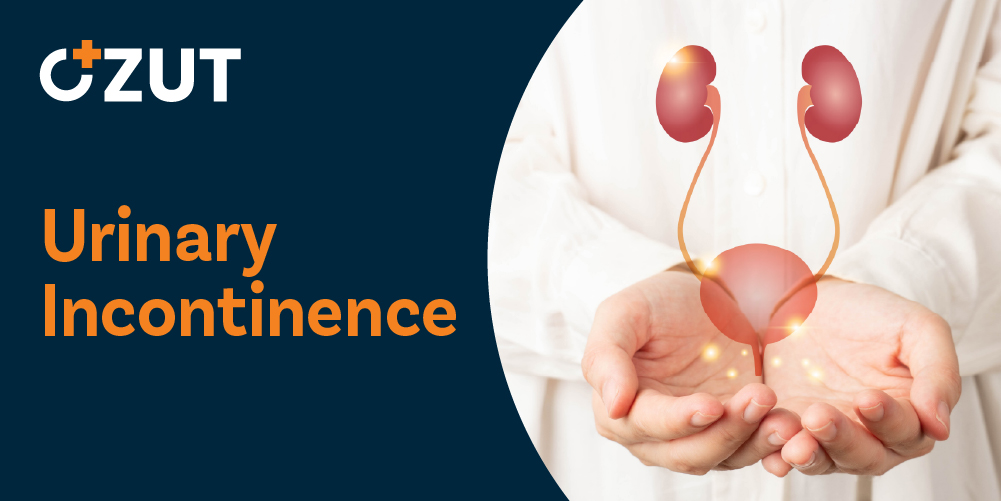
Understanding Bladder Control Issues: A Complete Guide to Diagnosis and Treatment
Millions of individuals across the country experience bladder control challenges that significantly impact their quality of life. These conditions affect people of all ages and genders, often causing anxiety about being far from restroom facilities and limiting participation in daily activities. Despite the prevalence of these issues, many people suffer in silence, either too embarrassed to seek help or unaware that effective treatments exist. Understanding the nature of bladder control problems and available solutions represents the first step toward reclaiming comfort and confidence in everyday life.
The Anatomy and Function of the Urinary System
The urinary system comprises several interconnected organs working together to filter waste, store urine, and eliminate it from the body. This complex system includes the kidneys, ureters, bladder, and urethra, each playing a vital role in maintaining proper urinary function.
The kidneys serve as the body’s filtration system, continuously producing urine by removing waste products and excess fluids from the bloodstream. This urine then travels through narrow tubes called ureters, which connect the kidneys to the bladder. The bladder acts as a storage reservoir, expanding as it fills with urine throughout the day.
When the bladder reaches capacity, nerve signals communicate with the brain to create the sensation of needing to urinate. The urethra serves as the exit pathway for urine, with a specialized muscle called the urethral sphincter controlling the release of urine. In males, the urethra passes through the prostate gland, which can affect urinary function when enlarged or diseased.
The pelvic floor muscles provide crucial support for the bladder and other pelvic organs. These muscles work in coordination with the urethral sphincter to maintain continence. When you decide to urinate, the brain sends signals that cause the sphincter to relax and the bladder muscle to contract, forcing urine through the urethra. After emptying, the sphincter closes again to prevent leakage until the next voiding cycle.
Defining Bladder Control Problems
Bladder control issues represent a disruption in the normal coordination between the brain, nerves, muscles, and organs involved in urination. Rather than being a disease itself, this condition serves as a symptom indicating underlying health concerns that require attention and treatment.
The involuntary loss of urine can range from occasional minor leaks to complete loss of bladder control. When the fear of leakage begins restricting activities or causing emotional distress, seeking medical evaluation becomes essential. Many people delay treatment for years due to embarrassment, missing opportunities for relief that could have improved their quality of life much sooner.
Common Causes of Bladder Control Issues
Numerous health conditions can contribute to bladder control problems. Some causes are temporary and easily resolved, while others require ongoing management. Understanding the underlying cause helps determine the most effective treatment approach.
Short-term factors that may trigger bladder control issues include:
- Urinary tract infections causing bladder irritation and urgency
- Constipation creating pressure on the bladder
- Certain medications including diuretics, antidepressants, and antihistamines
- Temporary dietary factors or excessive fluid intake
Long-term health conditions associated with bladder control problems include:
- Diabetes affecting nerve function throughout the body
- Neurological conditions such as stroke or multiple sclerosis
- Prostate enlargement or surgical procedures in men
- Pregnancy, childbirth, and menopause in women
- Chronic diseases affecting muscle and nerve function
Types of Bladder Control Disorders
Bladder control problems manifest in several distinct patterns, each with unique characteristics and treatment approaches. Identifying the specific type helps healthcare providers recommend the most appropriate interventions.
Stress-Related Leakage
This common form of leakage occurs when physical activities increase abdominal pressure, overwhelming weakened pelvic floor muscles. The muscles and tissues supporting the bladder and urethra lose their ability to maintain closure during moments of physical stress. Activities that commonly trigger leakage include coughing, sneezing, laughing, lifting heavy objects, or engaging in exercise. This condition frequently affects women who have experienced pregnancy and childbirth, though it can occur in anyone with weakened pelvic floor support.
Urgency and Frequency Issues
Some individuals experience sudden, intense urges to urinate that feel impossible to delay. This overwhelming sensation creates anxiety about reaching a restroom in time. When leakage occurs due to inability to reach facilities quickly enough, it represents urgency-related incontinence. People with this condition often need to urinate frequently throughout the day and may wake multiple times during the night. The condition becomes more common with advancing age and frequently accompanies diabetes, neurological disorders, and cardiovascular disease.
Overflow Problems
This less common type occurs when the bladder fails to empty completely, causing continuous dribbling or frequent small urinations. The bladder remains constantly full, leading to overflow leakage as pressure builds. This pattern appears more frequently in men with prostate conditions but can affect anyone with nerve damage, diabetes, or bladder muscle dysfunction. The inability to fully empty the bladder creates ongoing discomfort and increases infection risk.
Combined Patterns
Many individuals experience symptoms from multiple categories simultaneously. For example, someone might leak during physical activity while also experiencing sudden urgent needs to urinate. Recognizing the combination of symptoms helps healthcare providers develop comprehensive treatment plans addressing all aspects of the condition.
Diagnostic Evaluation and Testing
Proper diagnosis begins with a thorough discussion of symptoms, medical history, and lifestyle factors. Healthcare providers need detailed information about when leakage occurs, how much urine is lost, and what activities trigger symptoms. Understanding medication use, fluid intake patterns, and impact on daily life helps guide the diagnostic process.
Physical examination provides valuable information about pelvic floor strength, organ positioning, and potential anatomical issues. For women, this includes checking for pelvic organ prolapse or vaginal wall weakness. Men may undergo prostate evaluation to assess for enlargement or other abnormalities.
Common Diagnostic Tests
Several simple tests help identify the cause and severity of bladder control issues:
- Urinalysis screens for infection, blood, or other abnormalities in the urine
- Stress testing evaluates leakage during coughing or physical activity
- Bladder ultrasound measures how completely the bladder empties
- Specialized pressure studies assess bladder and sphincter function in complex cases
- Examination for pelvic organ prolapse or other structural problems
These evaluations help determine whether symptoms stem from weak pelvic muscles, overactive bladder contractions, incomplete emptying, or other causes requiring specific treatment approaches.
Conservative Treatment Approaches
Most treatment plans begin with conservative measures that avoid medications or procedures. These lifestyle modifications often provide significant improvement and may completely resolve symptoms in some cases.
Dietary and Fluid Management
What you consume directly affects bladder function. Keeping a detailed diary of fluid intake and urination patterns helps identify problematic beverages or timing issues. Many people benefit from limiting caffeine and alcohol, which can irritate the bladder and increase urine production. Maintaining adequate hydration remains important, with six to eight glasses of water daily representing an ideal target for most people. Strategic timing of fluid intake, such as reducing consumption before bedtime, can minimize nighttime bathroom trips.
Certain foods may irritate the bladder in sensitive individuals. Common culprits include spicy foods, citrus fruits, tomatoes, and artificial sweeteners. However, individual responses vary considerably, making personal observation essential for identifying specific triggers.
Bladder Retraining Programs
Structured bladder training helps restore normal voiding patterns and reduce urgency. This approach involves gradually extending the time between bathroom visits, teaching the bladder to hold larger volumes comfortably. Starting with small increments of five to ten minutes, the goal progresses toward maintaining three to four-hour intervals between urinations.
Scheduled voiding establishes regular bathroom times regardless of urgency, preventing the bladder from becoming overly full. Double voiding involves urinating, waiting a few moments, then attempting to empty again, ensuring more complete bladder emptying. These techniques require consistency and patience but often yield significant improvements over time.
Pelvic Floor Strengthening
Exercises targeting the pelvic floor muscles provide substantial benefits for many types of bladder control issues. These exercises, commonly known as pelvic floor muscle training, strengthen the muscles supporting the bladder and controlling the urethral sphincter. Regular practice improves muscle tone and coordination, reducing leakage during physical activities.
The exercises also help suppress sudden urges by triggering reflexes that calm bladder contractions. Learning proper technique from a qualified healthcare provider ensures maximum benefit. Like any fitness program, consistency matters more than intensity, with regular daily practice producing the best results over time.
Medication Options for Bladder Control
When lifestyle modifications provide insufficient relief, prescription medications offer additional support. Several drug classes target different aspects of bladder function, each with distinct benefits and potential side effects.
Bladder Relaxation Medications
Medications that help relax overactive bladder muscles reduce urgency and frequency. Traditional options in this category work by blocking certain nerve signals that trigger bladder contractions. While effective, these medications commonly cause dry mouth, constipation, and blurred vision. Recent concerns about potential cognitive effects with long-term use have prompted careful consideration of risks versus benefits, particularly in older adults.
One medication in this class has a different chemical structure that prevents it from crossing into the brain, potentially avoiding cognitive side effects while maintaining effectiveness for bladder symptoms.
Alternative Bladder Medications
Newer medications work through different mechanisms to achieve bladder relaxation without the side effects associated with traditional options. These alternatives can cause blood pressure elevation in some individuals, requiring monitoring in people with hypertension. The newest option in this category provides similar benefits without affecting blood pressure, making it suitable for patients with cardiovascular concerns.
Hormone Therapy for Women
Women experiencing bladder control issues after menopause may benefit from localized hormone therapy. Applying estrogen directly to vaginal and urethral tissues can improve tissue health and reduce irritative symptoms. This approach uses minimal hormone absorption into the bloodstream, limiting systemic effects. However, certain medical conditions contraindicate hormone use, requiring thorough discussion with healthcare providers.
Surgical and Procedural Interventions
When conservative treatments fail to provide adequate relief, various surgical and procedural options offer more definitive solutions. The choice of procedure depends on the specific type of bladder control problem, overall health status, and individual preferences.
Support Procedures for Stress Leakage
Several surgical techniques address stress-related leakage by providing support to the urethra and bladder neck. The most common approach involves placing a supportive mesh strip under the urethra through a small vaginal incision. This minimally invasive procedure typically requires only ten to twenty minutes and allows rapid return to normal activities.
Alternative support procedures use the patient’s own tissue or donated biological material to create a supportive sling around the bladder neck. Another option involves surgically lifting and securing the bladder neck to the pubic bone using permanent sutures. This more extensive procedure requires longer recovery but may benefit certain patients.
Injectable Treatments
Bulking agents injected around the urethra add volume to tissues