
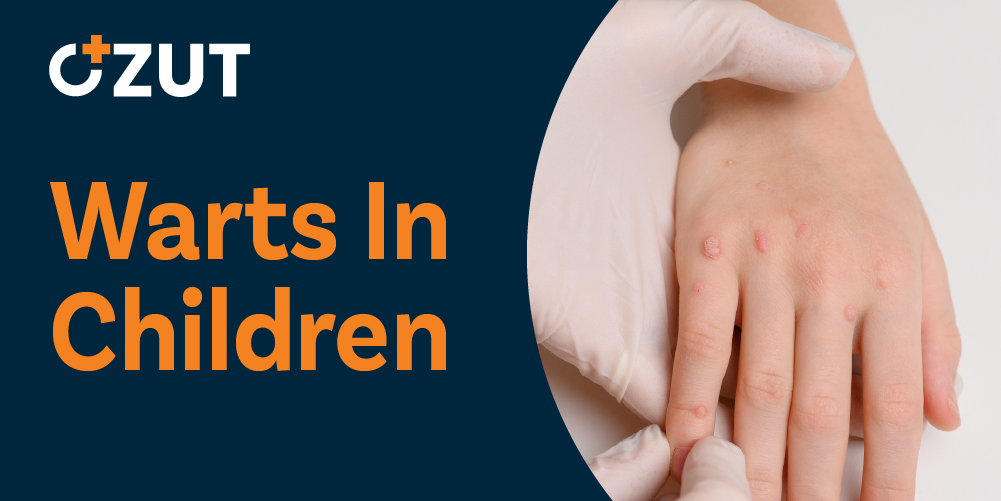
Understanding Skin Warts in Children: Causes, Types, and Treatment Options
Skin warts represent one of the most common dermatological conditions affecting children worldwide. These small, noncancerous growths appear on the skin surface and can cause concern for parents and discomfort for young patients. While generally harmless, understanding the nature of these viral infections helps families make informed decisions about treatment and prevention strategies.
What Are Childhood Skin Warts
Skin warts are benign growths that develop on the outer layer of skin. These small bumps result from viral infections and possess the ability to spread across different body areas. Unlike other skin conditions, warts have a viral origin that makes them contagious under certain circumstances. The growths vary significantly in appearance, size, and location depending on the specific viral strain causing the infection.
The condition primarily affects younger populations, though individuals of any age can develop these skin abnormalities. The growths typically remain painless unless they develop in pressure-bearing areas or locations subject to frequent friction. Understanding the fundamental characteristics of these viral skin manifestations helps parents recognize them early and seek appropriate medical guidance when necessary.
The Viral Origin of Skin Warts
The root cause of all skin warts traces back to a specific family of viruses known as human papillomaviruses. This extensive viral family contains numerous distinct strains, each responsible for producing different types of warts with unique characteristics. The virus penetrates the outer skin layer through microscopic breaks or weakened areas, establishing an infection that triggers abnormal cell growth.
Once the virus enters the skin, it hijacks normal cellular processes to create the characteristic bumpy growths. The infection remains localized to the skin surface, never penetrating deeper tissue layers. Different viral strains demonstrate preferences for specific body locations, explaining why certain wart types consistently appear in particular areas. The viral nature of these growths explains their contagious properties and tendency to spread when proper precautions are not observed.
Risk Factors for Developing Warts
Children face higher susceptibility to wart development compared to adult populations. Several factors contribute to increased risk levels in younger individuals. The developing immune system in children may not respond as effectively to viral challenges, creating opportunities for infection establishment. Additionally, children engage in more frequent skin-to-skin contact through play and social activities, increasing exposure opportunities.
Specific circumstances elevate risk levels significantly. Direct physical contact with individuals carrying active wart infections creates primary transmission pathways. The virus transfers easily through touch, particularly when skin barriers are compromised. Immune system weakness represents another critical risk factor. Children with compromised immune function, whether from medical conditions or treatments, demonstrate increased vulnerability to viral skin infections. Environmental factors such as shared spaces, communal bathing facilities, and athletic activities also contribute to transmission risk.
Common Types and Their Distinctive Features
Wart manifestations vary considerably based on viral strain and location. Common warts represent the most frequently encountered variety. These growths display rough, irregular surfaces with grayish-yellow or brown coloration. They typically emerge on fingers, elbows, knees, and facial areas. The raised, bumpy texture distinguishes them from other skin conditions.
Plantar and palmar warts develop on foot soles and hand palms respectively. These pressure-bearing locations often result in painful symptoms, particularly when walking or gripping objects. When multiple plantar warts cluster together, medical professionals refer to them as the company formations. The inward growth pattern caused by constant pressure creates discomfort that distinguishes these from other varieties.
Flat warts present as small, smooth-surfaced growths with minimal elevation. These subtle lesions appear most frequently on facial areas in pediatric populations. Their smooth texture and small size sometimes make them difficult to identify without close examination. Filiform warts grow as elongated, narrow projections typically appearing around eyelids, lips, and facial regions. Their distinctive thread-like appearance makes them readily identifiable.
Periungual warts develop around nail beds, causing thickened skin appearance. These growths can create painful splits in surrounding tissue, causing significant discomfort. The location near nails makes them particularly troublesome for daily activities. the company warts appear as small, flesh-colored or gray growths in sensitive areas. These particular manifestations require careful medical evaluation to determine transmission circumstances and appropriate intervention strategies.
Diagnostic Procedures and Medical Evaluation
Healthcare providers typically diagnose warts through visual examination of the affected areas. The distinctive appearance of most wart types allows for straightforward identification during physical assessment. Medical professionals examine size, shape, color, texture, and location to determine wart classification. This visual inspection usually provides sufficient information for accurate diagnosis.
In some cases, providers may perform additional examination techniques. Gentle scraping of surface layers sometimes reveals tiny black dots beneath, representing clotted blood vessels characteristic of wart tissue. This finding helps confirm the diagnosis when visual appearance alone proves insufficient. For uncertain cases or unusual presentations, referral to dermatology specialists may be recommended.
Skin specialists possess advanced training in identifying and treating various dermatological conditions. When necessary, they may perform shave biopsy procedures. This minimally invasive technique removes a small tissue sample for laboratory analysis. Microscopic examination of the sample confirms the diagnosis and rules out other skin conditions that might mimic wart appearance. This thorough approach ensures accurate identification and appropriate treatment planning.
Treatment Approaches and Options
Many warts resolve spontaneously without medical intervention. The body’s immune system eventually recognizes and eliminates the viral infection, causing the growth to disappear. This natural resolution process typically occurs within several months to a few years. However, various treatment options exist for cases requiring active intervention.
Treatment selection depends on multiple factors including growth duration, body location, wart type, and number of lesions present. Healthcare providers consider these variables alongside patient age and comfort levels when recommending specific approaches. Some treatment methods may cause temporary discomfort or pain in treated areas, making careful consideration of options important for pediatric patients.
Topical Treatment Methods
Over-the-counter medications containing salicylic acid represent first-line treatment for many common warts. These preparations work by gradually dissolving the abnormal tissue layers. Regular application over several weeks typically produces results. The treatment requires patience and consistent application for optimal effectiveness. Other topical medications may be prescribed for specific wart types or resistant cases.
Cryotherapy and Freezing Techniques
Liquid nitrogen application freezes wart tissue, causing cellular destruction. This cryotherapy approach proves effective for many wart varieties. The procedure involves applying extremely cold liquid nitrogen directly to the growth. The freezing process destroys infected cells, allowing healthy tissue to regenerate. Multiple treatment sessions may be necessary for complete removal. Some temporary discomfort occurs during and after the procedure.
Advanced Removal Procedures
Electrocautery applies controlled electrical current to destroy wart tissue. This technique proves useful for stubborn growths resistant to other treatments. Surgical excision involves physically cutting out the wart under local anesthesia. This approach ensures complete removal but may leave small scars. Laser surgery uses focused light energy to eliminate wart tissue. This advanced technique offers precision and effectiveness for difficult cases.
Potential Complications and Long-Term Considerations
While generally benign, warts can present certain complications. Treatment resistance represents a common challenge, with some growths proving difficult to eliminate completely. Recurrence after successful treatment occurs in some cases, requiring additional intervention. The viral nature of warts means complete eradication of the infection sometimes proves elusive.
Specific wart types carry additional concerns. the company varieties in female patients may increase future cervical cancer risk if left untreated. This connection stems from the relationship between certain viral strains and cancer development. Regular medical monitoring and appropriate treatment help mitigate these long-term risks. Early intervention and proper management reduce complication likelihood significantly.
Prevention Strategies and Protective Measures
Preventing wart transmission requires understanding spread mechanisms and implementing protective strategies. The virus transfers through direct skin contact and contaminated surfaces. Shared personal items such as towels provide transmission pathways. Implementing proper hygiene practices significantly reduces spread risk.
Essential Hygiene Practices
Thorough handwashing represents the cornerstone of wart prevention. Children should wash hands with soap and clean running water for at least twenty seconds after touching affected areas. This simple practice removes viral particles before they can spread. Avoiding direct contact between warts and other body parts prevents self-inoculation to new areas.
Children should refrain from touching their warts to other people, preventing interpersonal transmission. Personal items that contact wart-affected areas should never be shared. This includes towels, clothing, and grooming tools. When warts appear on foot soles, wearing socks or slippers prevents viral spread through floor contact. These protective barriers reduce transmission in shared living spaces.
Vaccination Options
Preventive vaccines now exist for certain viral strains responsible for the company warts. These immunizations provide protection against the most dangerous strains associated with cancer development. The vaccine represents an important preventive tool, particularly given the connection between certain viral types and cervical cancer. Healthcare providers can discuss vaccination timing and recommendations based on individual circumstances.
When to Seek Medical Attention
While many warts resolve without intervention, certain situations warrant professional medical evaluation. Parents should contact healthcare providers when warts cause pain or discomfort. Growths that interfere with normal daily activities require assessment and potential treatment. Warts causing significant embarrassment or psychological distress merit medical attention, particularly in older children concerned about appearance.
Rapid growth, unusual appearance, or bleeding from wart sites should prompt immediate medical consultation. These symptoms might indicate complications or alternative diagnoses requiring professional evaluation. Warts appearing in the company areas always require medical assessment to determine appropriate management and investigate transmission circumstances. Healthcare providers can address concerns and develop individualized treatment plans based on specific situations.
Living with Childhood Warts
Managing childhood warts requires patience, proper hygiene, and appropriate medical guidance. Understanding that these viral growths represent common, generally harmless conditions helps reduce anxiety. Most cases resolve naturally over time without lasting effects. When treatment becomes necessary, multiple effective options exist to address various wart types and locations.
Education about prevention strategies empowers families to reduce transmission risk. Simple hygiene measures significantly decrease spread likelihood within households and communities. Regular handwashing, avoiding direct contact, and not sharing personal items form the foundation of effective prevention. These practices protect both affected children and those around them.
Parents should maintain open communication with healthcare providers throughout the management process. Professional guidance ensures appropriate treatment selection and monitoring. With proper care and attention, childhood warts can be effectively managed, minimizing discomfort and preventing complications. The combination of medical treatment when necessary and consistent preventive measures provides the best approach to handling these common viral skin growths in pediatric populations.