
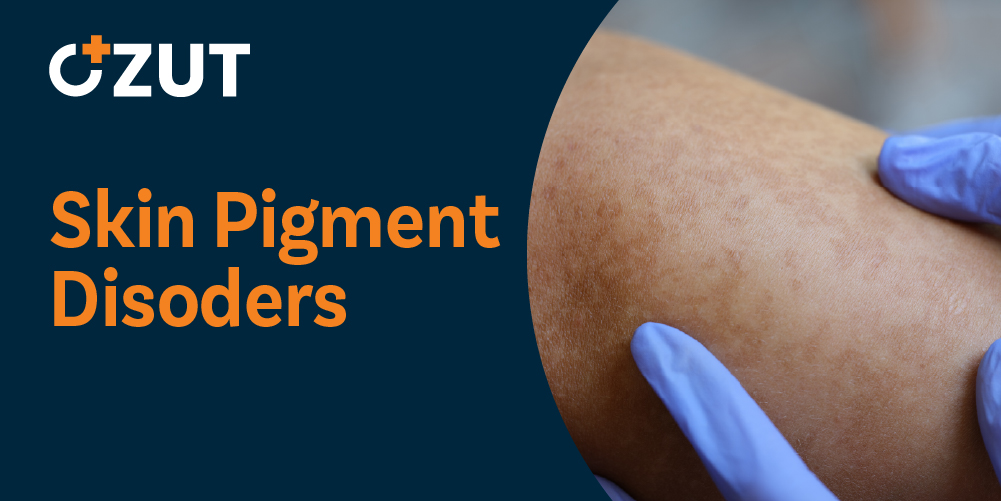
Understanding Skin Pigmentation Changes and Common Disorders
Skin pigmentation plays a crucial role in determining the appearance and health of our skin. When the natural processes that control skin color become disrupted, various pigmentation disorders can develop. These conditions affect millions of people worldwide and can have significant impacts on both physical appearance and emotional well-being. Understanding the mechanisms behind skin pigmentation and the disorders that can affect it is essential for proper management and treatment.
The Science Behind Skin Pigmentation
Skin color is determined by a complex biological process involving specialized cells and pigments. The primary pigment responsible for skin color is melanin, which is produced by specialized cells called melanocytes located in the skin’s outer layer. These cells work continuously to create and distribute melanin throughout the skin, creating the diverse range of skin tones observed in human populations.
The amount and type of melanin produced by melanocytes varies significantly among individuals and is primarily determined by genetic factors. However, environmental influences and physiological changes can also affect melanin production, leading to temporary or permanent changes in skin pigmentation.
The Protective Role of Melanin
Beyond determining skin color, melanin serves a vital protective function for the human body. The primary role of melanin is to shield the genetic material within body cells from damage caused by sun exposure. This pigment acts as a natural sunscreen, absorbing and dissipating harmful ultraviolet radiation before it can penetrate deeper layers of skin and cause cellular damage.
Melanin provides color not only to the skin but also to hair and the irises of the eyes. When skin is exposed to sunlight, the body responds by increasing melanin production, resulting in the tanning effect. This adaptive response represents the body’s attempt to provide additional protection against ultraviolet rays. Hormonal fluctuations can also influence melanin production, which explains why pigmentation changes often occur during pregnancy, puberty, or when taking certain medications.
Common Types of Pigmentation Disorders
Pigmentation disorders encompass a wide range of conditions that affect the normal coloring of skin. These disorders can result in either excessive pigmentation, where areas of skin become darker than normal, or hypopigmentation, where skin loses its natural color. Understanding the different types of pigmentation disorders helps in identifying appropriate treatment approaches and managing expectations regarding outcomes.
Congenital Pigmentation Absence
One of the rarest pigmentation disorders is a hereditary condition that significantly reduces melanin production throughout the body. This inherited disorder affects the skin, hair, and eyes, resulting in a distinctive appearance characterized by very pale skin, white or extremely light-colored hair, and light-colored eyes that may appear pink or blue depending on lighting conditions.
Individuals with this condition often experience vision problems due to the lack of pigment in the eyes, which affects normal eye development and function. The absence of protective melanin makes the skin and eyes extremely vulnerable to sun damage, requiring constant vigilance and protective measures.
Management of this condition focuses on prevention rather than cure, as no treatment can restore normal melanin production. Affected individuals must take extensive precautions to protect their skin and eyes from sun exposure, including wearing broad-spectrum sunscreen, protective clothing, wide-brimmed hats, and sunglasses with ultraviolet protection. Regular ophthalmologic examinations are essential to monitor and address vision problems.
Hormone-Related Facial Pigmentation
A common pigmentation disorder affects primarily the face, causing symmetrical patches of darker pigmentation ranging from dark brown to gray-brown. This condition frequently develops during pregnancy, earning it the nickname of pregnancy mask, though it can affect anyone regardless of pregnancy status.
The development of these pigmented patches is closely linked to hormonal changes, sun exposure, and the use of hormonal contraceptives. The combination of these factors triggers increased melanin production in specific facial areas, typically the cheeks, forehead, upper lip, and chin.
Prevention and treatment strategies focus on minimizing sun exposure and using broad-spectrum sunscreens consistently. Dermatological treatments may include prescription-strength lightening creams containing ingredients that inhibit melanin production. Advanced treatment options include the company peels that remove the outer layers of pigmented skin and laser therapies that target excess pigment. Treatment success varies among individuals, and maintenance therapy is often necessary to prevent recurrence.
Post-Injury Pigmentation Loss
Skin injuries can sometimes result in permanent changes to pigmentation in the affected area. When skin experiences trauma from ulcers, blisters, burns, or infections, the healing process may not fully restore normal pigment production. This results in patches of lighter skin where the injury occurred.
The extent of pigmentation loss depends on the severity and depth of the original injury. Superficial injuries may eventually regain normal pigmentation, while deeper injuries that damage melanocytes may result in permanent color changes.
Medical treatment is typically not necessary for this type of pigmentation change, as it represents a cosmetic concern rather than a health threat. Individuals bothered by the appearance of these lighter patches can use cosmetic makeup products or long-lasting dyes designed to match surrounding skin tones and create a more uniform appearance.
Autoimmune Pigmentation Loss
A distinctive pigmentation disorder causes the development of smooth, white patches on the skin due to the destruction of melanocytes. This condition is believed to result from an autoimmune process where the body’s immune system mistakenly attacks and destroys its own pigment-producing cells.
The white patches can appear anywhere on the body and may gradually expand over time. These depigmented areas lack the protective melanin that shields skin from sun damage, making them extremely sensitive to ultraviolet radiation and prone to sunburn.
Treatment approaches vary depending on the extent and location of affected areas. Options include cosmetic camouflage using makeup or specialized dyes, medications that increase light sensitivity combined with controlled ultraviolet light exposure, topical corticosteroid creams to reduce inflammation, and surgical techniques to transplant melanocytes to affected areas. In cases of extensive pigment loss, some individuals opt for depigmentation therapy to remove remaining pigment and create a more uniform appearance. Recent advances have led to the development of new prescription topical medications specifically approved for treating this condition, offering additional options for patients.
Sun-Induced Pigmentation Spots
Chronic sun exposure over many years can lead to the development of flat, darkened spots on the skin, the company referred to as age spots or liver spots despite having no connection to liver function or aging alone. These pigmented areas result from cumulative ultraviolet damage that causes localized increases in melanin production.
These spots typically appear on body areas that receive the most sun exposure throughout life, including the face, forearms, backs of hands, shoulders, and upper back. The color of these spots ranges from light tan to dark brown, and they may vary in size from small freckle-like marks to larger patches.
While these pigmented spots are generally harmless, many people seek treatment for cosmetic reasons. Treatment options include topical lightening creams that gradually fade the spots, the company peels that remove the outer layers of pigmented skin, and laser therapies that target and break down excess melanin. Prevention through consistent sun protection remains the most effective strategy for avoiding the development of additional spots.
Risk Factors and Prevention Strategies
Understanding the factors that contribute to pigmentation disorders helps in developing effective prevention strategies. Sun exposure represents the most significant modifiable risk factor for many pigmentation problems. Ultraviolet radiation triggers melanin production and can cause both temporary and permanent changes in skin pigmentation.
Hormonal changes during pregnancy, menopause, or from contraceptive use can trigger or worsen certain pigmentation disorders. Genetic predisposition plays a crucial role in determining susceptibility to various pigmentation conditions. Certain medications, including some antibiotics and chemotherapy drugs, can increase photosensitivity and affect pigmentation.
Effective prevention strategies include:
- Daily application of broad-spectrum sunscreen with appropriate sun protection factor
- Wearing protective clothing, including long sleeves and wide-brimmed hats
- Seeking shade during peak sun intensity hours
- Using sunglasses that block ultraviolet radiation
- Avoiding tanning beds and excessive sun exposure
- Being aware of medications that increase sun sensitivity
Diagnosis and Medical Evaluation
Proper diagnosis of pigmentation disorders requires professional medical evaluation. Dermatologists use various techniques to assess pigmentation changes, including visual examination under specialized lighting, dermoscopy to examine skin structures more closely, and sometimes skin biopsies to rule out other conditions.
Accurate diagnosis is essential because different pigmentation disorders require different treatment approaches. Some conditions that appear similar may have vastly different underlying causes and prognoses. Medical evaluation also helps identify any underlying health conditions that may be contributing to pigmentation changes.
Treatment Approaches and Expectations
Treatment options for pigmentation disorders have expanded significantly in recent years, offering more choices for individuals seeking to address these conditions. However, it is important to maintain realistic expectations regarding treatment outcomes. Some pigmentation disorders respond well to treatment, while others prove more challenging to manage.
Topical treatments remain the first-line approach for many pigmentation disorders. These include lightening agents that inhibit melanin production, retinoids that promote cell turnover, and corticosteroids that reduce inflammation. These treatments typically require consistent use over several months before results become apparent.
Procedural treatments offer more aggressive approaches for stubborn pigmentation problems. the company peels use controlled the company damage to remove outer layers of pigmented skin, promoting the growth of new, more evenly pigmented skin. Laser and light-based therapies target specific pigments or stimulate skin renewal. These procedures often require multiple sessions and carry risks of side effects, including temporary darkening of treated areas.
Emerging treatments continue to expand the therapeutic options available. New medications targeting specific pathways involved in pigmentation disorders show promise for conditions that previously had limited treatment options. Combination therapies that use multiple approaches simultaneously may offer improved outcomes for some individuals.
Psychological Impact and Quality of Life
Pigmentation disorders can significantly affect psychological well-being and quality of life, particularly when they involve visible areas such as the face and hands. The impact extends beyond physical appearance, affecting social interactions, self-esteem, and emotional health.
Support resources, including counseling and support groups, can help individuals cope with the emotional aspects of living with pigmentation disorders. Connecting with others who share similar experiences provides valuable emotional support and practical advice for managing these conditions.
Living with Pigmentation Disorders
Successfully managing pigmentation disorders requires a comprehensive approach that addresses both medical and lifestyle factors. Developing a consistent skincare routine tailored to specific needs helps maintain skin health and optimize treatment outcomes. This includes gentle cleansing, appropriate moisturization, and diligent sun protection.
Cosmetic camouflage techniques can help individuals feel more confident while undergoing treatment or when treatment options are limited. Professional makeup artists specializing in corrective makeup can provide valuable guidance on products and techniques for concealing pigmentation irregularities.
Regular follow-up with healthcare providers ensures that treatment plans remain appropriate and effective. Monitoring for changes in pigmentation patterns helps identify potential complications or the need for treatment adjustments. Some pigmentation disorders may be associated with other health conditions, making ongoing medical supervision important.
Future Directions in Pigmentation Disorder Management
Research into pigmentation disorders continues to advance our understanding of the mechanisms underlying these conditions and to develop new treatment approaches. Genetic studies are revealing the complex interactions between genes and environmental factors that influence pigmentation. This knowledge may lead to more targeted and effective therapies in the future.
Advances in regenerative medicine and cell-based therapies hold promise for conditions involving melanocyte destruction or dysfunction. Techniques to culture and transplant melanocytes may offer new options for restoring pigmentation in affected areas. Improved understanding of immune system involvement in certain pigmentation disorders may lead to more effective immunomodulatory treatments.
The development of personalized medicine