
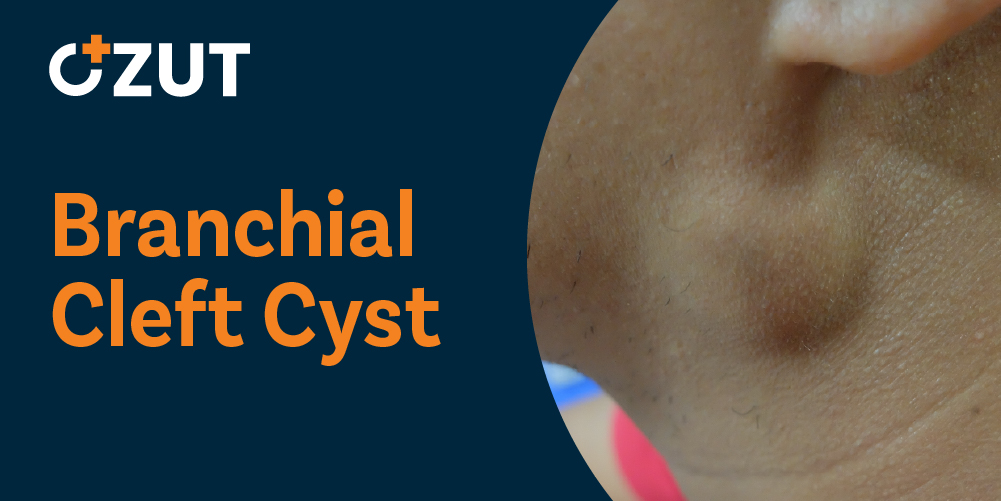
Understanding Branchial Cleft Cysts: Causes, Symptoms, and Treatment Options
Branchial cleft cysts represent a fascinating category of congenital abnormalities that manifest as lumps or masses in the neck region. These developmental anomalies occur during the earliest stages of human formation and can present unique challenges for patients and healthcare providers alike. Understanding the nature of these cysts, their origins, and the available treatment options is essential for anyone affected by this condition or those seeking comprehensive knowledge about congenital neck masses.
What Are Branchial Cleft Cysts
A branchial cleft cyst is a congenital mass that typically appears in the neck area or just below the collarbone. These cysts are also referred to as cleft sinuses in medical terminology. The development of these abnormalities traces back to the embryonic stage of human development, making them present from birth, though they may not become noticeable until later in life.
The formation of branchial cleft cysts occurs when specific tissues in the neck and collarbone region fail to develop according to normal patterns during embryonic growth. These tissues, known as branchial clefts, are temporary structures that appear during early fetal development. In typical development, these structures either transform into normal anatomical features or disappear completely. However, when this process is disrupted, remnants of these embryonic structures can persist, leading to the formation of cysts or sinuses.
The Embryological Origin
During the early weeks of embryonic development, the human embryo develops a series of ridges and grooves on either side of what will become the neck. These structures are called branchial arches and clefts. In normal development, these primitive structures undergo a complex series of transformations, ultimately forming various components of the head and neck, including parts of the ear, throat, and major blood vessels.
When the branchial clefts fail to close properly or remnants of these structures persist beyond the embryonic stage, they can create pathways or spaces that may fill with fluid, forming cysts. These developmental anomalies represent a failure in the normal remodeling process that should occur during fetal growth.
Types and Locations of Branchial Abnormalities
Branchial cleft abnormalities can manifest in several different forms, each with distinct characteristics and locations. The most common presentation is the cyst itself, which appears as a fluid-filled sac beneath the skin. These cysts may remain dormant for years, only becoming noticeable when they enlarge or become infected.
Another form of branchial cleft abnormality is the sinus tract. A sinus represents an open channel that may extend from the skin surface deeper into the neck tissues. These sinuses can appear as small openings or pits on the skin, typically located along the front edge of the large neck muscle or near the collarbone. Sinuses may periodically drain fluid, particularly when they become inflamed or infected.
Bilateral Presentation
One important characteristic of branchial cleft abnormalities is their potential to occur on one or both sides of the neck. While unilateral presentation is more common, bilateral cases do occur and require careful evaluation. The presence of abnormalities on both sides may indicate a more extensive developmental issue and could influence treatment planning.
Clinical Symptoms and Manifestations
The symptoms associated with branchial cleft cysts can vary significantly depending on several factors, including the size of the cyst, its exact location, and whether infection or inflammation is present. Many individuals with branchial cleft cysts may remain asymptomatic for extended periods, with the abnormality only discovered during routine physical examinations or when complications arise.
Visible External Signs
The most common visible manifestation of a branchial cleft abnormality is the presence of small pits, lumps, or skin tags located on either side of the neck or just below the collarbone. These external markers may be present from birth but can become more prominent as the individual grows. The lumps may vary in size from barely noticeable to several centimeters in diameter.
These external signs often appear along a predictable anatomical line, typically running from the area near the ear down toward the collarbone. The exact position can provide clues about which branchial cleft failed to develop properly, as different clefts correspond to different locations in the neck.
Drainage and Discharge
When a sinus tract is present, patients may experience periodic drainage of fluid from the small pit or opening on the neck. This drainage can be clear, cloudy, or occasionally blood-tinged. The amount of drainage may increase during periods of upper respiratory infection or when the area becomes irritated or infected.
The presence of drainage is often one of the first symptoms that prompts individuals to seek medical evaluation. While the drainage itself may not be painful, it can be bothersome and may lead to skin irritation in the surrounding area. Additionally, the presence of drainage indicates an open connection between the internal cyst or sinus and the external environment, which increases the risk of infection.
Complications and Associated Concerns
While many branchial cleft cysts remain asymptomatic throughout life, several complications can arise that necessitate medical attention. Understanding these potential complications helps patients and healthcare providers make informed decisions about monitoring and treatment.
Infection Risk
The most common complication associated with branchial cleft cysts and sinuses is infection. When bacteria enter the cyst or sinus tract, they can multiply within the enclosed space, leading to an abscess formation. Infected cysts typically become painful, swollen, red, and warm to the touch. Patients may also develop systemic symptoms such as fever, malaise, and swollen lymph nodes in the neck.
Infections can occur spontaneously or may be triggered by upper respiratory infections, dental procedures, or trauma to the area. The enclosed nature of cysts makes them particularly susceptible to infection, as bacteria can become trapped within the fluid-filled space with limited ability for the body’s immune system to clear the infection effectively.
Enlargement and Cosmetic Concerns
Even without infection, branchial cleft cysts can gradually enlarge over time. This growth may be slow and imperceptible, or it can occur more rapidly, particularly during periods of upper respiratory infection when inflammation in the area increases. As cysts enlarge, they become more noticeable and may cause cosmetic concerns for patients.
Large cysts can also create a sensation of fullness or pressure in the neck. In rare cases, very large cysts may compress adjacent structures such as blood vessels or the airway, though this is uncommon. The psychological impact of having a visible neck mass should not be underestimated, particularly in adolescents and young adults.
Diagnostic Approaches
The diagnosis of branchial cleft cysts typically relies primarily on clinical evaluation. Healthcare providers with experience in head and neck abnormalities can often identify these lesions based on their characteristic appearance and location. The diagnostic process begins with a thorough medical history, including questions about when the lump was first noticed, whether it has changed in size, and if there have been any episodes of infection or drainage.
Physical Examination
During the physical examination, the healthcare provider will carefully palpate the neck to assess the size, consistency, and mobility of any masses. Branchial cleft cysts typically feel smooth, soft, and mobile beneath the skin. They may be slightly compressible and can sometimes be transilluminated, meaning that light shines through them, indicating their fluid-filled nature.
The examiner will also look for external signs such as skin pits, tags, or areas of drainage. The location of these findings along the neck provides important diagnostic information. Additionally, the provider will examine the entire head and neck region to rule out other abnormalities and to assess for any signs of infection or inflammation.
When Additional Testing May Be Needed
While physical examination is usually sufficient for diagnosis, certain situations may warrant additional testing. If the diagnosis is uncertain, if the mass has unusual characteristics, or if surgical treatment is being planned, imaging studies may be ordered. These studies help define the exact extent of the abnormality and its relationship to surrounding structures.
Imaging options may include ultrasound, which provides excellent visualization of fluid-filled structures and is non-invasive and radiation-free. In more complex cases, advanced imaging techniques might be employed to provide detailed anatomical information. These studies can reveal the full extent of sinus tracts and help surgeons plan the most effective approach for removal.
Treatment Strategies
The management of branchial cleft cysts depends on several factors, including whether symptoms are present, whether infection has occurred, and patient preferences regarding treatment. Not all branchial cleft abnormalities require intervention, and the decision to treat must be individualized based on each patient’s specific circumstances.
Conservative Management
Many branchial cleft remnants that are asymptomatic and have never been infected can be safely observed without treatment. This conservative approach involves regular monitoring to ensure that the abnormality is not enlarging or developing complications. Patients are educated about signs of infection and instructed to seek medical attention if symptoms develop.
The observation approach is particularly appropriate for small, non-bothersome cysts that are not causing cosmetic concerns. However, patients should understand that even with observation, there remains a lifelong risk of infection or enlargement, and treatment may become necessary in the future.
Medical Treatment of Infections
When a branchial cleft cyst or sinus becomes infected, prompt medical treatment is essential. Antibiotic therapy represents the first-line treatment for infected cysts. The choice of antibiotic depends on the likely causative organisms and the severity of the infection. Treatment typically continues for one to two weeks, and patients usually experience significant improvement within a few days of starting antibiotics.
In cases of severe infection with abscess formation, additional interventions may be necessary. This might include drainage of the abscess to remove accumulated pus and relieve pressure. However, simple drainage without complete surgical removal of the cyst does not eliminate the underlying abnormality, and recurrent infections are common.
Surgical Intervention
Surgical removal represents the definitive treatment for branchial cleft cysts and sinuses. This approach is typically recommended for patients who have experienced recurrent infections, those with persistent drainage problems, or individuals who desire removal for cosmetic reasons. Surgery is usually performed after any active infection has been treated and resolved, as operating on infected tissue increases the risk of complications.
The surgical procedure involves complete excision of the cyst and any associated sinus tracts. This can be technically challenging, as sinus tracts may extend deeply into the neck tissues and can have complex relationships with important structures such as nerves and blood vessels. Careful surgical technique is essential to ensure complete removal while preserving surrounding normal anatomy.
Surgical Outcomes and Prognosis
The prognosis for patients with branchial cleft cysts is generally excellent, particularly when appropriate treatment is provided. Surgical removal, when performed by experienced surgeons, typically achieves excellent results with low rates of recurrence. Most patients experience complete resolution of their symptoms and are very satisfied with the cosmetic outcome.
Success Rates and Recovery
When surgery is required for branchial cleft abnormalities, the success rate is high. Complete removal of the cyst and any sinus tracts typically results in cure, with recurrence rates being quite low when the surgery is performed properly. The key to successful outcomes is ensuring that all abnormal tissue is removed during the initial surgery, as incomplete excision can lead to recurrence.
Recovery from surgery is usually straightforward. Most procedures can be performed on an outpatient basis, allowing patients to return home the same day. Post-operative discomfort is typically mild to moderate and can be managed with standard pain medications. Patients can usually resume normal activities within one to two