
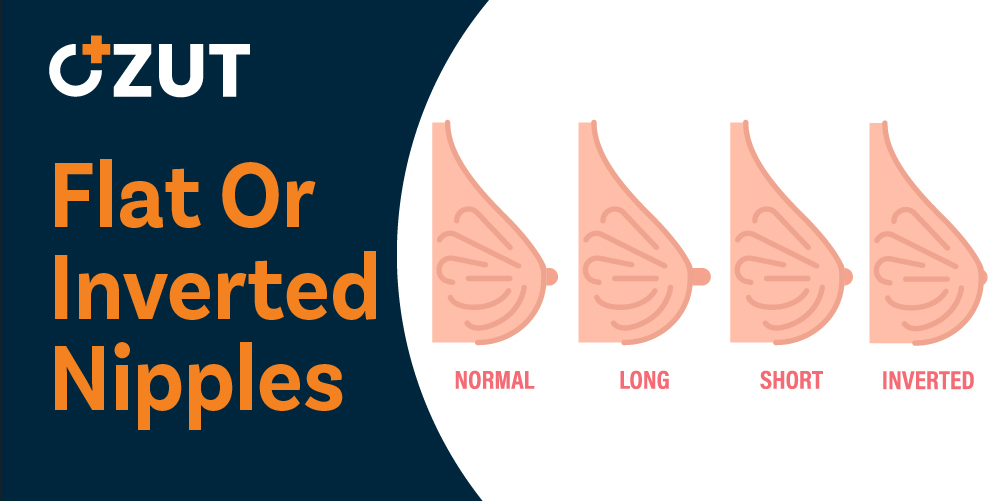
Understanding and Managing Flat or Inverted Nipples During Breastfeeding
Breastfeeding is a natural process that can present unique challenges for different individuals. Among these challenges, flat or inverted nipples represent a common anatomical variation that affects many nursing parents. Understanding the nature of these variations and learning effective management strategies can significantly improve the breastfeeding experience and ensure successful nursing outcomes for both parent and infant.
What Are Flat and Inverted Nipples
Flat nipples are characterized by their lack of protrusion from the areola, remaining level with the surrounding breast tissue even when stimulated. This anatomical variation occurs naturally and does not indicate any underlying health problem. The nipple tissue exists but does not extend outward as prominently as typical nipples do during arousal or stimulation.
Inverted nipples represent a different variation where the nipple tissue retracts inward into the breast rather than protruding outward. This inversion can range from mild to severe, with some nipples inverting only upon stimulation while others remain consistently retracted. The condition results from shorter connective tissue bands that pull the nipple inward rather than allowing it to project outward naturally.
Both conditions are relatively common anatomical variations that affect a significant portion of the population. These variations can be present from birth or develop over time due to various factors including hormonal changes, pregnancy, or natural aging processes. Understanding that these variations are normal helps reduce anxiety and allows nursing parents to focus on practical solutions.
Impact on Breastfeeding Success
The presence of flat or inverted nipples does not automatically prevent successful breastfeeding. Many infants demonstrate remarkable adaptability and can effectively nurse regardless of nipple shape or protrusion. The key factor in successful breastfeeding lies not in nipple appearance but in the infant’s ability to achieve proper latch and effectively transfer milk from the breast.
Strong, vigorous nursers typically experience little difficulty adapting to flat or inverted nipples. These infants possess the natural ability to create sufficient suction and use their tongue and palate to draw the nipple tissue into their mouth during feeding. The infant’s sucking action often helps draw out the nipple naturally during the nursing session.
However, some infants may require additional time and support to master the technique of nursing with flat or inverted nipples. Less vigorous nursers, premature infants, or those with certain oral anatomical variations may need extra assistance in achieving proper latch. Recognizing these potential challenges early allows parents to seek appropriate support and implement helpful strategies.
Effective Techniques for Flat Nipples
Several practical techniques can help facilitate successful breastfeeding when dealing with flat nipples. Hand expression represents one of the most accessible and effective methods for temporarily drawing out flat nipples before nursing sessions. This technique involves using gentle manual pressure and massage to stimulate the nipple and encourage it to protrude outward.
To perform hand expression effectively, place your thumb and fingers around the areola approximately one inch from the nipple base. Apply gentle pressure inward toward the chest wall, then compress the breast tissue between your fingers while rolling them forward. This motion helps stimulate the nipple and can encourage temporary protrusion that facilitates easier latching for the infant.
Breast pumps offer another valuable tool for drawing out flat nipples prior to nursing sessions. Using a breast pump for several minutes before attempting to breastfeed can help elongate the nipple tissue and make it more accessible for the infant. The suction created by the pump mimics the infant’s natural sucking action and can provide the stimulation needed to encourage nipple protrusion.
Cold stimulation can also prove helpful in some cases. Applying a cold, damp cloth to the nipple area or gently rolling the nipple between your fingers can stimulate the tissue and encourage temporary protrusion. These simple techniques can be performed discreetly and quickly before nursing sessions to improve latch success.
Managing Inverted Nipples
Inverted nipples that retract inward with stimulation require similar approaches to those used for flat nipples, with some additional considerations. The same hand expression and pumping techniques that work for flat nipples can help draw out inverted nipples temporarily. Consistent application of these methods before each nursing session can gradually improve nipple eversion over time.
Nipple eversion devices represent specialized tools designed specifically to address inverted nipples. These devices work by applying gentle, sustained suction to draw the nipple outward and encourage the tissue to remain protruded. Various types of eversion devices are available, each designed with different mechanisms and approaches to achieving nipple protrusion.
While some nursing parents find eversion devices helpful, their effectiveness varies significantly among individuals. Not all inverted nipples respond equally to these devices, and some may show minimal improvement despite consistent use. It is crucial to note that these devices should never be used during pregnancy, as the stimulation they provide could potentially trigger premature contractions.
Professional guidance from a certified lactation consultant is essential when considering the use of nipple eversion devices. These specialists can assess the specific nature of the inversion, recommend appropriate devices, and provide instruction on proper usage techniques. They can also monitor progress and adjust strategies as needed to optimize results.
The Role of Nipple Shields
Nipple shields represent another tool that can assist in establishing successful breastfeeding with flat or inverted nipples. These thin, flexible silicone covers fit over the nipple and areola, providing a firmer, more protruding surface for the infant to latch onto. The shield’s shape helps guide the infant’s mouth into proper position and can make latching significantly easier.
However, nipple shields should only be used under the direct guidance and supervision of a certified lactation consultant. While they can be helpful in certain situations, improper use of nipple shields can lead to reduced milk transfer, decreased milk supply, or dependency that makes it difficult to transition to direct breastfeeding. Professional oversight ensures that shields are used appropriately and only when truly necessary.
A lactation consultant can determine whether a nipple shield is appropriate for your specific situation, select the correct size and type, and teach proper application techniques. They will also monitor your infant’s weight gain and milk transfer to ensure that the shield is not interfering with adequate nutrition. Regular follow-up appointments allow for assessment of progress and planning for eventual weaning from the shield if possible.
Severe Inversion and Unilateral Nursing
In cases of severe nipple inversion affecting one or both breasts, alternative feeding strategies may become necessary. When one breast is less affected than the other, focusing nursing efforts on the more accessible breast can provide a practical solution. This approach, known as unilateral nursing, allows the infant to receive adequate nutrition while avoiding the frustration of attempting to latch onto a severely inverted nipple.
The human breast possesses remarkable capacity to adapt to feeding demands. A single breast can produce sufficient milk to fully nourish an infant, as milk production operates on a supply-and-demand basis. When one breast is nursed frequently and thoroughly emptied, it responds by increasing milk production to meet the infant’s nutritional needs. Many nursing parents successfully feed their infants using only one breast without any negative impact on infant growth or development.
When practicing unilateral nursing, the non-nursing breast may become engorged or uncomfortable due to milk accumulation. Regular pumping of the unused breast helps maintain comfort and prevents complications such as plugged ducts or mastitis. The milk obtained through pumping should not be discarded, as it provides valuable nutrition that can be stored for future use.
Milk Storage and Management
Proper storage of expressed breast milk ensures that none of this valuable resource goes to waste. Freshly expressed milk can be stored in the refrigerator for several days or frozen for extended periods. Using appropriate storage containers designed specifically for breast milk helps maintain milk quality and prevents contamination.
Frozen breast milk provides convenient nutrition for times when the nursing parent is away from the infant or when additional feeding support is needed. This stored milk can be thawed and offered in bottles, allowing other caregivers to participate in feeding while ensuring the infant continues receiving breast milk benefits. Having a supply of stored milk also provides peace of mind and flexibility in managing feeding schedules.
When pumping the non-nursing breast during unilateral nursing, establishing a regular pumping schedule helps maintain milk production and prevents discomfort. Pumping at approximately the same times each day signals the breast to continue producing milk, even though direct nursing is not occurring. This consistency supports long-term milk supply and breast health.
Addressing Breast Size Asymmetry
One potential concern with unilateral nursing involves the development of noticeable size differences between the nursing and non-nursing breasts. The breast that is actively nursing typically maintains or increases in size due to increased milk production and tissue development. Meanwhile, the non-nursing breast may gradually decrease in size if not regularly stimulated through pumping.
Regular pumping of the non-nursing breast helps minimize size discrepancies between the two breasts. While some degree of asymmetry is normal and common even without unilateral nursing, maintaining stimulation through pumping helps preserve breast tissue and minimize dramatic size differences. The frequency and duration of pumping sessions can be adjusted based on individual comfort levels and aesthetic preferences.
It is important to remember that breast asymmetry is extremely common and usually becomes less noticeable once breastfeeding concludes. Many individuals experience some degree of breast asymmetry regardless of their feeding choices. Focusing on successful infant nutrition and maternal comfort should take priority over concerns about temporary size differences.
Seeking Professional Support
Professional lactation support plays a crucial role in successfully managing flat or inverted nipples during breastfeeding. Certified lactation consultants possess specialized training and expertise in addressing anatomical variations and breastfeeding challenges. These professionals can provide personalized assessment, practical strategies, and ongoing support tailored to individual circumstances.
Early consultation with a lactation specialist, ideally during pregnancy or immediately after birth, allows for proactive planning and strategy development. The consultant can assess nipple anatomy, discuss potential challenges, and teach techniques before difficulties arise. This preparation helps build confidence and reduces stress during the early breastfeeding period.
Lactation consultants can also provide valuable emotional support and encouragement during challenging times. Breastfeeding difficulties can feel overwhelming and discouraging, particularly for first-time parents. Having a knowledgeable professional to provide reassurance, answer questions, and celebrate successes makes a significant difference in the overall breastfeeding experience.
Building Confidence and Patience
Successfully breastfeeding with flat or inverted nipples often requires patience, persistence, and self-compassion. Initial attempts may feel awkward or frustrating, but most nursing parents and infants develop effective techniques with time and practice. Recognizing that learning curves are normal helps reduce stress and allows for a more positive experience.
Celebrating small victories and progress markers helps maintain motivation during challenging periods. Each successful latch, each feeding session, and each day of continued breastfeeding represents an achievement worth acknowledging. Focusing on these positive moments rather than dwelling on difficulties supports emotional well-being and persistence.
Remember that every breastfeeding journey is unique, and comparing your experience to others rarely proves helpful. What works for one nursing parent and infant may not work for another, and that variation is completely normal. Trusting your instincts, seeking support when needed, and remaining flexible in your approach will serve you well throughout your breastfeeding experience.
Long-Term Outlook and Adaptation
Many nursing parents find that flat or inverted nipples become less problematic as breastfeeding continues. The repeated stimulation and stretching that occurs during nursing sessions often leads to gradual improvement in nipple protrusion over time. Infants also become more skilled and efficient at latching as they grow and develop, making initial anatomical challenges less significant.
The breast tissue itself undergoes changes during lactation that can affect nipple appearance and function. Hormonal influences, increased blood flow, and tissue expansion associated with milk production may naturally improve nipple protrusion. These physiological changes work in your favor, often making breastfeeding progress