Understanding Hiatal Hernia: Causes, Symptoms, Diagnosis, and Treatment Options
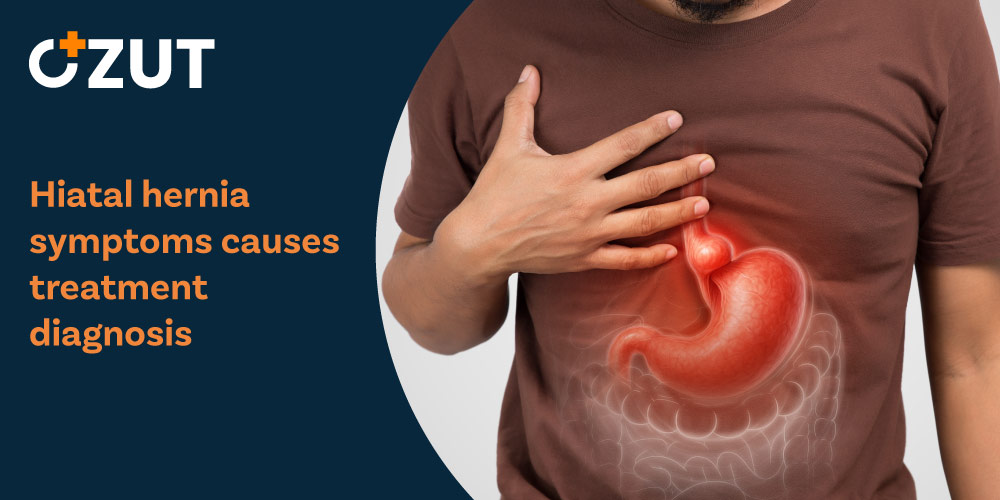
A hiatal hernia represents a significant digestive system condition that affects millions of individuals worldwide. This medical condition occurs when the upper portion of the stomach pushes through an opening in the diaphragm, the thin muscular structure that separates the chest cavity from the abdominal region. Understanding this condition is essential for recognizing symptoms, seeking appropriate medical care, and implementing effective management strategies.
What Is a Hiatal Hernia and How Does It Develop
The diaphragm serves as a critical barrier between the chest and abdomen, featuring a small opening called the hiatus through which the esophagus passes before connecting to the stomach. Under normal circumstances, this opening remains appropriately sized to accommodate only the esophagus. However, when the tissues surrounding this opening weaken or stretch, the upper part of the stomach can protrude through the hiatus into the chest cavity, creating what medical professionals call a hiatal hernia.
This anatomical displacement has significant implications for digestive function. The diaphragm normally plays an important role in preventing stomach acid from traveling upward into the esophagus. When a hiatal hernia develops, this protective mechanism becomes compromised, making it considerably easier for acidic stomach contents to flow backward into the esophageal passage.
The Connection Between Hiatal Hernia and Acid Reflux
The relationship between hiatal hernia and gastroesophageal reflux disease represents one of the most important aspects of this condition. When the stomach partially moves into the chest cavity, the normal pressure dynamics that keep stomach acid contained become disrupted. This disruption allows acid to leak from the stomach into the esophagus, a phenomenon known as gastroesophageal reflux disease.
This backward flow of stomach acid creates numerous uncomfortable and potentially harmful effects on the esophageal lining, which lacks the protective mechanisms present in the stomach. Over time, repeated exposure to stomach acid can damage the delicate tissues of the esophagus, leading to inflammation, discomfort, and various complications if left untreated.
Recognizing the Symptoms of Hiatal Hernia
Many individuals with hiatal hernia experience a range of symptoms primarily related to acid reflux. Understanding these symptoms helps in early identification and appropriate medical consultation. The manifestations of this condition can vary significantly from person to person, with some individuals experiencing severe symptoms while others remain completely asymptomatic.
Common Digestive Symptoms
Heartburn stands as the most frequently reported symptom associated with hiatal hernia. This burning sensation typically occurs in the chest area, behind the breastbone, and often worsens after eating or when lying down. The discomfort results from stomach acid irritating the sensitive lining of the esophagus.
Difficulty swallowing, medically termed dysphagia, represents another significant symptom. Individuals may feel as though food is stuck in the throat or chest, or they may experience pain during swallowing. This symptom occurs because the herniated portion of the stomach can interfere with the normal passage of food through the esophagus.
Nausea and vomiting may occur in some cases, particularly after meals or when bending over. These symptoms result from the disrupted digestive process and the backward flow of stomach contents. The sensation of fullness or bloating after eating even small amounts of food is also common.
Respiratory and Oral Health Manifestations
A persistent dry cough that seems unrelated to respiratory infections often accompanies hiatal hernia. This cough develops when stomach acid irritates the throat and airways, triggering the cough reflex as the body attempts to clear the irritation.
Bad breath, or halitosis, frequently affects individuals with this condition. The regurgitation of stomach contents and acid into the mouth creates an unpleasant odor that regular oral hygiene may not fully eliminate. This symptom can significantly impact social interactions and quality of life.
Breathing problems may develop in more severe cases, particularly when lying down. The herniated stomach portion can press against the lungs or diaphragm, making deep breathing uncomfortable or difficult. Some individuals report shortness of breath or a feeling of chest tightness.
The wearing away of tooth enamel represents a serious long-term consequence of chronic acid exposure. When stomach acid repeatedly reaches the mouth, it gradually erodes the protective enamel coating of teeth, leading to increased sensitivity, discoloration, and heightened risk of cavities.
Understanding the Causes and Risk Factors
The exact cause of hiatal hernia remains unclear in many cases, presenting a challenge for both prevention and treatment strategies. Medical researchers continue investigating the various factors that contribute to the development of this condition.
Muscle Weakness and Structural Changes
Weakness in the muscles surrounding the hiatal opening appears to play a central role in many cases. This weakness may develop gradually over time due to aging, or it may result from increased pressure on the diaphragm. The muscular tissues that normally hold the stomach in its proper position below the diaphragm lose their strength and elasticity, allowing the stomach to slip through the opening.
Injury to the diaphragm or surrounding area can create conditions favorable for hernia development. Trauma from accidents, falls, or surgical procedures may damage the structural integrity of the diaphragm, creating weak points where herniation can occur.
Birth defects occasionally contribute to hiatal hernia formation. Some individuals are born with an unusually large hiatal opening or weakened diaphragmatic tissues, predisposing them to developing this condition earlier in life than would otherwise be expected.
Age-Related Risk Factors
Age represents one of the most significant risk factors for developing hiatal hernia. The condition becomes increasingly common in individuals over fifty years old. This age-related increase occurs because the muscles and connective tissues naturally lose strength and elasticity over time, making the diaphragmatic opening more susceptible to stretching and allowing stomach tissue to protrude.
The cumulative effects of years of pressure on the diaphragm from activities such as coughing, straining during bowel movements, heavy lifting, and even pregnancy contribute to the gradual weakening of the hiatal opening. These repeated stresses take their toll over decades, explaining why older adults face higher risk.
Lifestyle and Health-Related Risk Factors
Obesity significantly increases the risk of developing hiatal hernia. Excess body weight creates increased pressure within the abdominal cavity, pushing against the diaphragm and stomach. This constant upward pressure can gradually force the upper portion of the stomach through the hiatal opening.
Smoking contributes to hiatal hernia risk through multiple mechanisms. The habit causes chronic coughing, which repeatedly increases abdominal pressure. Additionally, smoking may weaken connective tissues throughout the body, including those supporting the diaphragm. The chemicals in tobacco smoke can also impair the healing and maintenance of muscular tissues.
Diagnostic Procedures and Medical Evaluation
Most individuals discover they have a hiatal hernia during medical investigations for other symptoms, particularly those related to digestive discomfort. The diagnostic process typically begins when patients seek medical attention for persistent heartburn, chest pain, or abdominal discomfort.
Imaging Studies
Chest radiography provides an initial screening tool that may reveal the presence of a hiatal hernia. Standard chest films can sometimes show the abnormal position of the stomach or the presence of stomach tissue in the chest cavity. However, this method may not detect smaller hernias or provide detailed information about the condition.
Barium swallow studies offer more detailed visualization of the esophagus and stomach. During this procedure, patients drink a liquid containing barium, a contrast material that appears white on imaging studies. As the barium passes through the digestive tract, healthcare providers take a series of images that clearly show the anatomy of the esophagus, stomach, and the relationship between these structures and the diaphragm. This test effectively identifies hiatal hernias and provides information about their size and type.
Endoscopic Examination
Upper endoscopy represents the most comprehensive diagnostic tool for evaluating hiatal hernia and associated conditions. During this procedure, a healthcare provider inserts a thin, flexible tube equipped with a camera through the mouth and into the esophagus and stomach. This direct visualization allows for detailed examination of the esophageal lining, identification of inflammation or damage from acid exposure, and precise assessment of the hernia.
Endoscopy also enables healthcare providers to obtain tissue samples if needed, rule out other conditions, and evaluate the severity of any acid-related damage to the esophagus. This comprehensive information guides treatment decisions and helps predict potential complications.
Treatment Approaches and Management Strategies
Treatment for hiatal hernia varies considerably based on symptom severity and the impact on quality of life. Many individuals with this condition require no treatment at all, while others benefit from lifestyle modifications, medications, or surgical intervention.
Observation Without Active Treatment
Individuals who have a hiatal hernia but experience no symptoms typically do not require any treatment. In these cases, healthcare providers recommend regular monitoring to ensure the condition remains stable and does not begin causing problems. This watchful waiting approach avoids unnecessary interventions while maintaining vigilance for any changes in the condition.
Lifestyle Modifications
For those experiencing symptoms, lifestyle changes often provide the first line of defense. Eating smaller, more frequent meals rather than large portions helps reduce pressure on the stomach and minimizes acid production. This approach prevents the stomach from becoming overly full, which can exacerbate symptoms and increase the likelihood of acid reflux.
Avoiding specific foods and beverages that trigger symptoms proves beneficial for many individuals. Common culprits include spicy foods, acidic items like citrus fruits and tomatoes, chocolate, caffeine, alcohol, and fatty or fried foods. Each person may have unique triggers, making it important to identify and eliminate personal problem foods.
Smoking cessation represents a critical lifestyle change for those who use tobacco products. Quitting smoking reduces coughing, allows tissues to heal, and decreases overall risk of complications. The benefits of smoking cessation extend far beyond hiatal hernia management, improving overall health and reducing risks of numerous other conditions.
Alcohol avoidance helps reduce symptoms because alcoholic beverages can relax the lower esophageal sphincter, the muscular valve that normally prevents stomach acid from entering the esophagus. Eliminating alcohol consumption removes this contributing factor and often leads to symptom improvement.
Weight loss significantly benefits individuals with obesity who have hiatal hernia. Reducing excess body weight decreases abdominal pressure, potentially allowing the herniated portion of the stomach to return to its normal position. Even modest weight loss can produce meaningful symptom relief and improve quality of life.
Elevating the head of the bed by several inches helps prevent nighttime acid reflux. This positioning uses gravity to keep stomach contents from flowing backward into the esophagus during sleep. Many individuals find this simple adjustment dramatically improves nighttime symptoms and sleep quality.
Pharmacological Treatment Options
When lifestyle modifications prove insufficient, healthcare providers may recommend various medications to manage symptoms. Antacids provide quick, temporary relief by neutralizing stomach acid. These over-the-counter medications work rapidly but offer only short-term symptom control.
Stronger acid-reducing medications may be prescribed for more persistent symptoms. These medications work by decreasing the amount of acid the stomach produces, thereby reducing the irritation caused when acid enters the esophagus. Various classes of these medications exist, each working through different mechanisms to achieve acid reduction.
Healthcare providers carefully select medications based on symptom severity, frequency, and individual patient factors. Some individuals require only occasional medication use, while others benefit from daily preventive therapy. Regular follow-up appointments help ensure medications remain effective and appropriate.
Surgical Intervention
Surgery becomes